
7 Signs That Your Dog Needs Additional Health Support
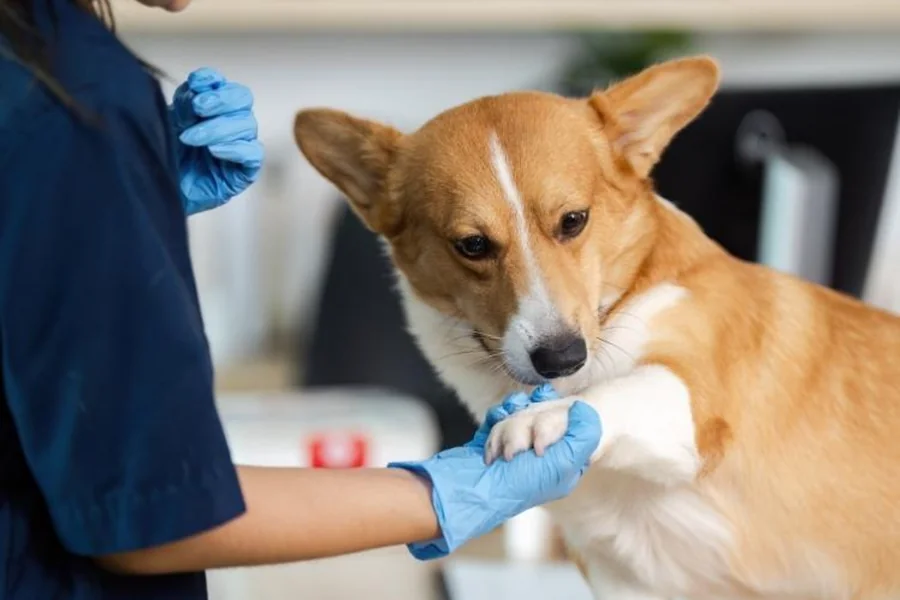
Dogs can’t usually tell us if something is bothering them. Instead, they display changes in behavior or energy levels. These subtle changes are easy to miss, especially when you’re busy with other things happening in your daily life. However, these changes are the early signs that your dog needs extra health support.
Whether it’s stiffness when walking or a change in appetite, there are early signs that dogs show when something is wrong with their normal day-to-day behavior. Recognizing these small changes early can help keep your dog healthy before a small problem progresses to a bigger one.
1. Changes in Potty Habits
One of the earliest signs of discomfort in dogs is potty habits are some of the early signs. If your dog suddenly needs to go outside more frequently, strains while urinating, or seems restless afterward, they’re probably experiencing urinary irritation or another health concern.
Some dogs suddenly experience accidents around the home, even when they’ve been perfectly potty trained for many years. Others tend to lick the areas excessively or appear distressed when using the bathroom. Even though these symptoms don’t necessarily indicate anything severe, they deserve attention to determine the root cause.
Many pet parents now include targeted health supplements in their dog’s daily diet when they notice such changes. For example, UTI supplements available from Pup Labs support urinary health while fitting naturally into broader wellness care. Also, pay attention to hydration and bathroom habits early on to identify issues before they progress.
2. Extended Laziness and Weakness
Like people, dogs also have days when they don’t feel like doing anything. If your dog lacks motivation to go for a walk, play with its toys, and generally appears weak throughout the day, then there may be a health problem behind it.
Dogs experience fatigue and low energy levels for many reasons. For example, your dog might be suffering from digestive problems, pain, illness, or even just old age. Dogs can also become mentally detached when they don’t feel well.
When assessing his behavior, you shouldn’t look at only one particular day of laziness. Watch for patterns that continue over several days. Consistent fatigue often deserves closer attention.
3. Joint Stiffness During Everyday Movement
Joint stiffness is generally associated with old dogs, although dogs of any age may be affected. Your dog may exhibit signs of stiffness by taking a moment before jumping on the couch, walking up the stairs slowly, or being reluctant to get into the car.
Changes in movement usually happen gradually. The signs of mobility change include short walks, stiff gait, or difficulty rising from lying down. The other signs that may occur include aversion to touch and involvement in vigorous activities.
Engaging in physical activity and keeping your pup at an ideal body weight will help maintain healthy joints. Finding the best CBD for dogs with arthritis provides a highly effective natural option to safely alleviate that persistent discomfort.
4. Persistent Bad Breath
Bad breath is a sign that may arise due to issues within the mouth or the dog’s digestive system. If your pet has mouth-related pain, they’re likely to drool excessively, have difficulty chewing hard food, or paw their mouth.
Good dental hygiene helps keep your pup healthy and their teeth clean. Other problems, like plaque buildup and tartar formation, are the result of poor dental hygiene and could become a menace to your pup later in life.
5. Changes in Appetite or Weight
A change in appetite and weight usually means that your dog is experiencing some sort of underlying condition. Most dogs have predictable feeding habits, and any alteration should be concerning.
Weight changes don’t always happen immediately. Some dogs lose muscle without a major shift on the scale, while others gain weight because discomfort reduces their activity levels.
Keep an eye on your dog’s eating patterns and body condition over time. Minor behavioral changes offer hints about any health problems before other signs emerge.
6. Excessive Licking or Scratching
It is quite usual for dogs to scratch or lick themselves from time to time. However, persistent scratching, licking, or gnawing can mean something else, including but not limited to allergies, skin inflammation, stress, or pain.
Sometimes, they may show the tendency to lick the same spot. In some cases, the skin becomes irritated and develops sores from constant licking. The other symptom is licking in their genital area, which suggests the presence of a problem related to urination.
This type of behavior may develop because of various reasons, including but not limited to sensitivity to foods, environmental factors, shampoos, and anxiety. When your dog displays excessive licking or scratching behavior, try to find the reason behind it.
7. Behavioral Changes
Behavioral changes typically occur after physical problems develop. For instance, an active and friendly dog may suddenly become shy, while a calm dog might become nervous and anxious.
Dogs rely on behavior to communicate discomfort. Pain, digestive problems, fatigue, and stress can all affect the way your dog acts day to day. Because you know your dog’s personality best, you’ll usually notice when something feels off.
Final Thoughts
Dogs rely on us to identify their health issues. Although occasional bad days are normal, changes in behavior, appetite, energy level, or movement often indicate that your dog needs extra attention.
Observations and monitoring make all the difference. You can ensure your dog lives a healthy and comfortable life by constantly monitoring them for any changes. Since mild signs of illness easily go unnoticed, early detection is crucial so that you can take action to address any underlying health issues.