
What Are K Tips? A Complete Guide to Keratin Tip Hair Extensions
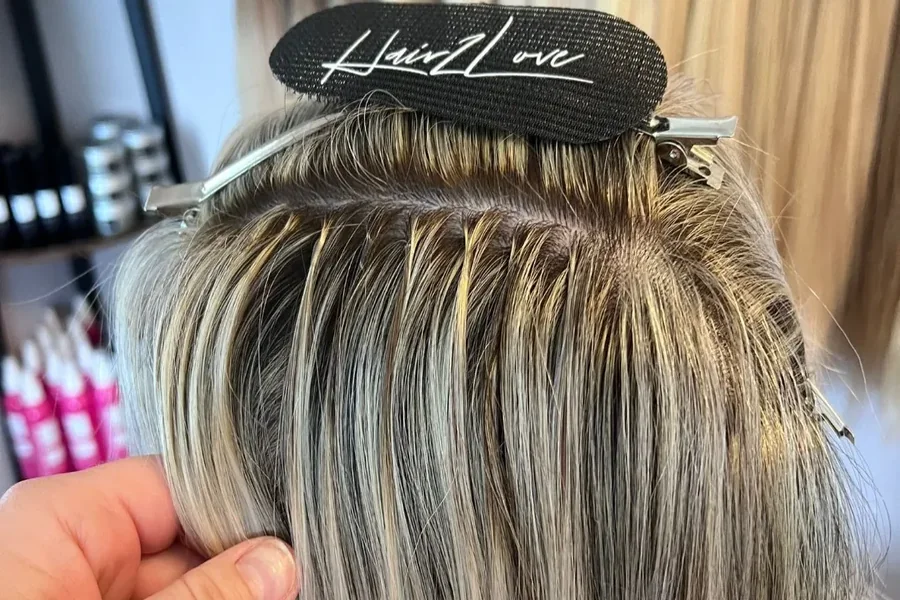
Dreaming of long, voluminous locks that look so natural no one can guess they aren’t yours? If you have been researching ways to transform your hair, you have likely come across the term K-tip hair extensions. Among the myriad of hair enhancement methods available today, they stand out as the gold standard for seamless blending and unparalleled styling flexibility. But what are K-tips exactly, and why are they capturing the hearts of stylists and hair enthusiasts worldwide?
To put it simply, K-tip hair extensions are individual strands of high-quality human hair that are pre-bonded with a small, discreet keratin polymer protein at the top. Keratin is the very same protein that naturally makes up your human hair, which means these bonds are designed to mimic your hair’s natural structure. During the application process, a certified stylist uses a specialized heating tool to soften the keratin bond, wrapping it securely around a small section of your natural hair.
Who Should Consider K Tip Hair Extensions?
While weft extensions and tape-ins are fantastic for many, they aren’t the perfect fit for every hair type or lifestyle. That is where K-tip hair extensions truly shine. This method is incredibly versatile, making it the ultimate solution for a wide range of individuals who feel limited by other extension types.
You should definitely consider keratin tip extensions if you fall into any of the following categories:
- Individuals with Fine or Thinning Hair: Traditional wefts can be too heavy for delicate hair, causing tension and visible tracks. Because K-tips are applied in tiny, individual strands, they distribute weight evenly across the scalp and remain completely invisible, even in the finest hair.
- Active Lifestyles and Fitness Enthusiasts: If you love high ponytails, messy buns, top knots, and intense workouts, K-tips are your best friend. The 360-degree movement of the individual strands lets you tie your hair up immediately without worrying about visible tape edges or uncomfortable pulling.
- Short or Layered Haircuts: Blending a blunt bob or a short haircut into long extensions can be a nightmare with wefts. K-tips allow stylists to strategically place individual strands exactly where volume or length is needed, creating a flawless, customized gradient.
- Those Seeking Low-Day-to-Day Maintenance: If you want a “get up and go” routine without worrying about adjusting tapes or adjusting clips every few weeks, the long-term wearability of K-tips is unmatched.
Ultimately, if your goal is absolute discretion, maximum styling freedom, and a natural feel, you are the ideal candidate for this premium method.
K Tip Hair Extensions Pros and Cons: A Balanced Look
Investing in your hair is a big decision, and it is crucial to weigh the advantages against the potential drawbacks before booking your salon appointment. Let us dive into a transparent breakdown of the pros and cons of K-tip hair extensions to help you make an informed choice.
The Pros
- Unmatched Discretion: The tiny, translucent keratin bonds blend seamlessly with your natural hair color, making them virtually undetectable to the eye and to the touch.
- Maximum Styling Versatility: You can part your hair anywhere, wear intricate braids, or rock a high ponytail without worrying about revealing your extensions.
- Long-Lasting Results: Unlike methods that require salon visits every 4 to 6 weeks, K-tips offer months of beautiful hair with proper care.
- Comfortable and Lightweight: Once applied, the bonds soften slightly to match the shape of your head, making them incredibly comfortable to sleep on and wear daily.
The Cons
- High Initial Cost: Due to the hair’s premium quality and the meticulous, labor-intensive application process, this is one of the more expensive hair investments.
- Lengthy Application Time: Expect to sit in the stylist’s chair for anywhere from 2 to 6 hours, depending on how many strands are being applied.
- Non-Reusable Hair: In most cases, once the bonds are removed, the hair cannot be instantly reinstalled like tape-ins. You will typically need to purchase a fresh set of hair for your next installation.
- Vs. Hair Systems: Every method above bonds to hair you still have. A hair system sits on the scalp instead, which makes it the route once thinning has gone past the point where there is enough left to attach to. Custom hair systems are made to order with hand-knotted hair, colour matching and a choice of texture, so the result reads as your own density rather than added length.
By carefully considering the pros and cons of K-tip hair extensions, you can decide whether the long-term benefits and flawless aesthetics outweigh the upfront investment of time and money.
Do K Tips Damage Hair? Safety and Application Tips
One of the most common questions clients ask before getting extensions is: Do K-tips damage hair? The short answer is no, not when they are applied by a certified professional and cared for correctly at home. In fact, because the bonds are made of keratin protein, they are highly compatible with your hair’s natural structure.
However, damage can occur under two specific circumstances: poor salon application or improper home maintenance. To ensure your natural hair remains healthy, strong, and vibrant throughout your extension journey, keep these crucial safety and application tips in mind:
- Choose a Certified Specialist: Never attempt a DIY installation or go to an untrained stylist. A professional knows exactly how much natural hair is needed to support the weight of each K-tip strand, preventing traction alopecia.
- Never Use DIY Heat Tools: The fusion tool used by stylists is highly regulated and specifically calibrated to melt the keratin bond safely without scorching your natural hair fibers.
- Invest in Premium Hair Quality: The source of your extensions matters immensely for your hair’s health. Choosing premium options like Slavic K tips ensures that the hair is lightweight, ethically sourced, naturally fine, and won’t put unnecessary stress on your natural roots.
- Do Not Attempt DIY Removal: When it is time to remove them, a professional will use a gentle, alcohol-based bond breaker and specialized pliers to crumble the bond safely. Trying to pull or cut them out yourself will cause severe breakage.
How Long Do K Tip Extensions Last? Lifespan and Maintenance
When investing in premium hair, you naturally want to know: how long do K-tip extensions last? On average, a professional installation of keratin tip extensions lasts 3 to 5 months. The exact lifespan depends heavily on your natural hair growth cycle, your daily lifestyle, and how well you adhere to an aftercare routine. Because your natural hair sheds between 50 and 100 strands a day, the bonds will slowly move further down your scalp over time.
To maximize the longevity of your investment and keep your hair looking red-carpet-ready every single day, follow these essential maintenance practices:
- Brush Religiously but Gently: Use a specialized loop brush or an extension-safe bristle brush. Hold your hair at the roots and brush thoroughly from ends to roots at least twice a day to prevent matting and tangling at the scalp.
- Use the Right Haircare Products: Always wash your hair with sulfate-free, silicone-free shampoos and conditioners. Avoid applying heavy conditioners, oils, or serums directly onto the keratin bonds, as this can cause them to soften, break down, or slip out prematurely.
- Never Sleep with Wet Hair: Going to bed with wet roots is the fastest way to cause severe matting around the bonds. Always blow-dry your roots and bonds completely on a cool or medium heat setting, then secure your hair in a loose braid or silk bonnet before sleeping.
- Separate Your Bonds Daily: Use your fingers to gently separate the individual bonds from one another once a week to prevent them from tangling as your natural hair grows out.
Understanding how long K-tip extensions last helps you plan your salon visits and ensures you enjoy gorgeous, tangle-free length for months on end.
Keratin Tip Extensions vs. Other Methods: Key Differences
To truly appreciate what K-tips are, it helps to see how they stack up against other popular beauty industry methods. Every extension type has its place, but understanding the mechanical differences can clarify why K-tips are often considered a premium luxury option.
- Vs. Tape-In Extensions: Tape-ins use wide adhesive strips that sandwich sections of your natural hair. While they are much faster to install and can be reused, they lie flat in wide blocks, which limits high updos and can feel heavy or rigid compared to the fluid, 360-degree movement of individual K-tips.
- Vs. Weft Extensions (Hand-Tied or Machine): Weft extensions involve sewing a continuous track of hair onto a row of silicone beads. Wefts are incredible for massive, heavy volume and are easier to move up every few weeks. However, they can be difficult to conceal in very fine hair and lack the targeted, strand-by-strand customization that K-tip hair extensions provide around the hairline.
- Vs. I-Tip (Cold Fusion) Extensions: I-tips use a small copper or aluminum cylinder bead to crimp the extension onto your hair without heat. While I-tips are reusable and completely heat-free, the metal beads can sometimes feel firmer against the scalp and may slip more easily in naturally oily or ultra-fine hair types compared to fused keratin.
Ultimately, choosing between keratin tip extensions and other methods comes down to your budget, your styling habits, and your hair goals. If you want the absolute highest level of realism, zero visibility, and the freedom to style your hair any way you please, K-tips remain an undefeated choice in the luxury hair market.