
Your Walmart Store Never Closes, So Why Should Your Pricing Strategy?
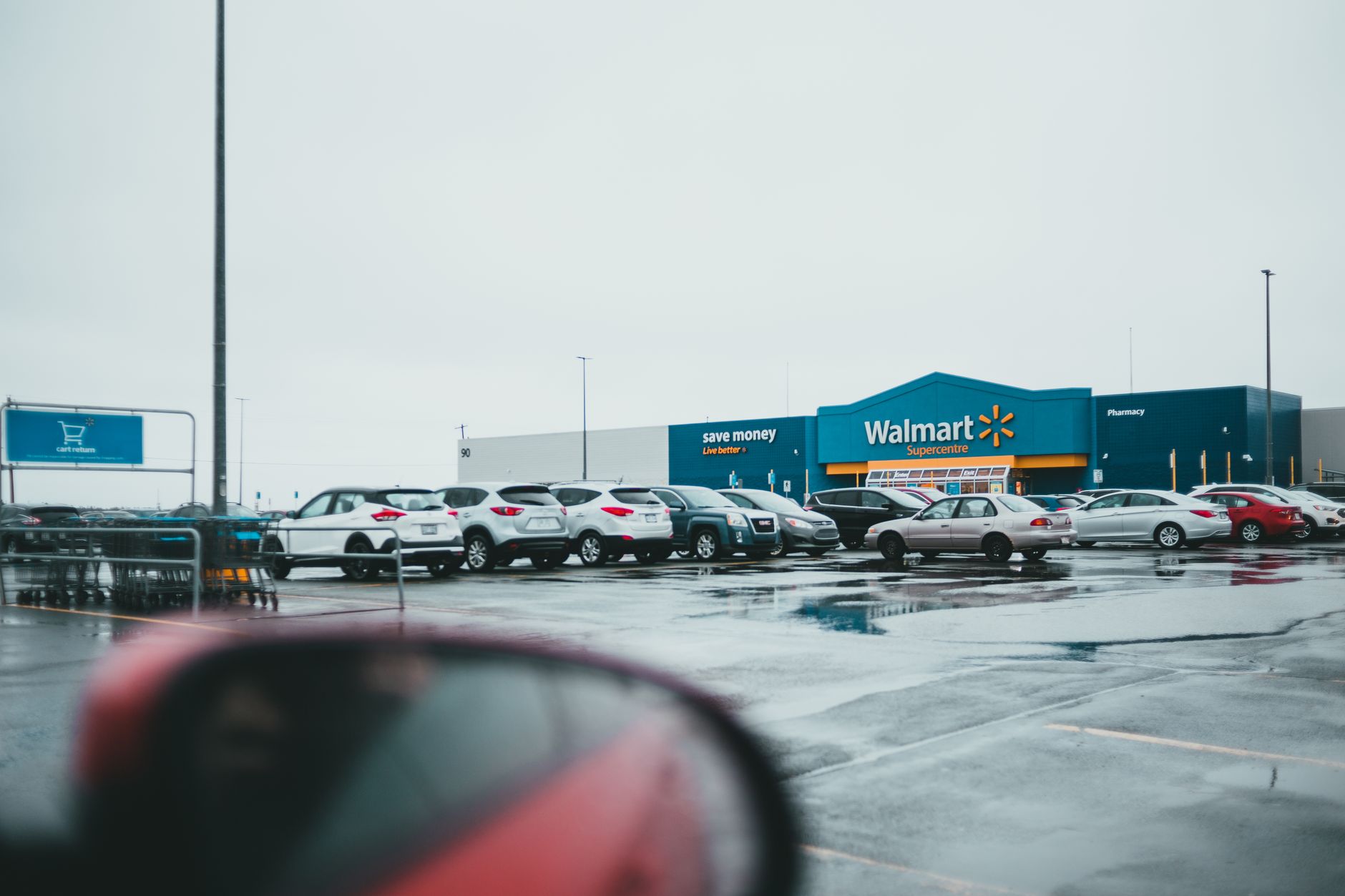
Walmart's marketplace operates around the clock. Shoppers are searching, comparing, and purchasing at midnight on a Tuesday and at 6 am on a Saturday. The store is always open. The competition is always active. And the pricing environment is always shifting, whether the seller is actively watching or not.
For sellers who still rely on manual pricing, that reality creates a persistent vulnerability. Every hour spent away from the dashboard is an hour during which the pricing strategy is effectively paused, even as the market keeps moving without it.
The Mismatch Between Market Hours and Manual Effort
Manual pricing is, by definition, a part-time approach to a full-time problem. A seller might check and update prices two or three times during business hours, but that still leaves the majority of the day uncovered. During those uncovered hours, competitors are adjusting, Buy Box positions are shifting, and sales go to whoever is priced most competitively at that moment.
This is not a hypothetical concern. It is the structural reality of selling in a dynamic marketplace. The sellers who win the most sales are not always the ones with the best products or the lowest baseline prices. They are often the ones whose prices are simply the most up-to-date when a shopper makes a decision.
What Always-On Pricing Provides
A Walmart repricer removes the mismatch entirely. It continuously monitors the marketplace, identifies competitive shifts as they occur, and adjusts prices according to the seller's defined rules at any hour, on any day, without human prompting.
This is not just a convenience. It is a structural advantage. A seller using automated pricing is competing effectively at 2am with the same quality of positioning they have at 2pm. The coverage is consistent, and consistency over time produces compounding results in visibility, sales velocity, and the performance history that Walmart's algorithm uses to determine how products are ranked and surfaced.
Strategy Does Not Stop When Automation Starts
One thing worth clarifying is that automated pricing does not replace strategic thinking. The seller still determines the rules: the acceptable margin range, the competitive positioning relative to other listings, and how the system should respond when the market shifts in different directions.
What automation replaces is the manual execution of those rules. The seller thinks about the strategy, and the system applies it continuously. That separation of thinking from doing is one of the most valuable things any operational tool can provide, because it means the strategic layer of the business is always active, not just during the hours when someone has time to log in and make adjustments.
Always Open, Always Competitive
The sellers who thrive on Walmart's marketplace in the long term are the ones who build operations that keep pace with the platform. A store that never closes deserves a pricing strategy that never pauses. Automated pricing makes that possible, and the sellers who adopt it early tend to build durable advantages that compound with every passing week.