
Furnished Rentals: What They Include And Who They Suit
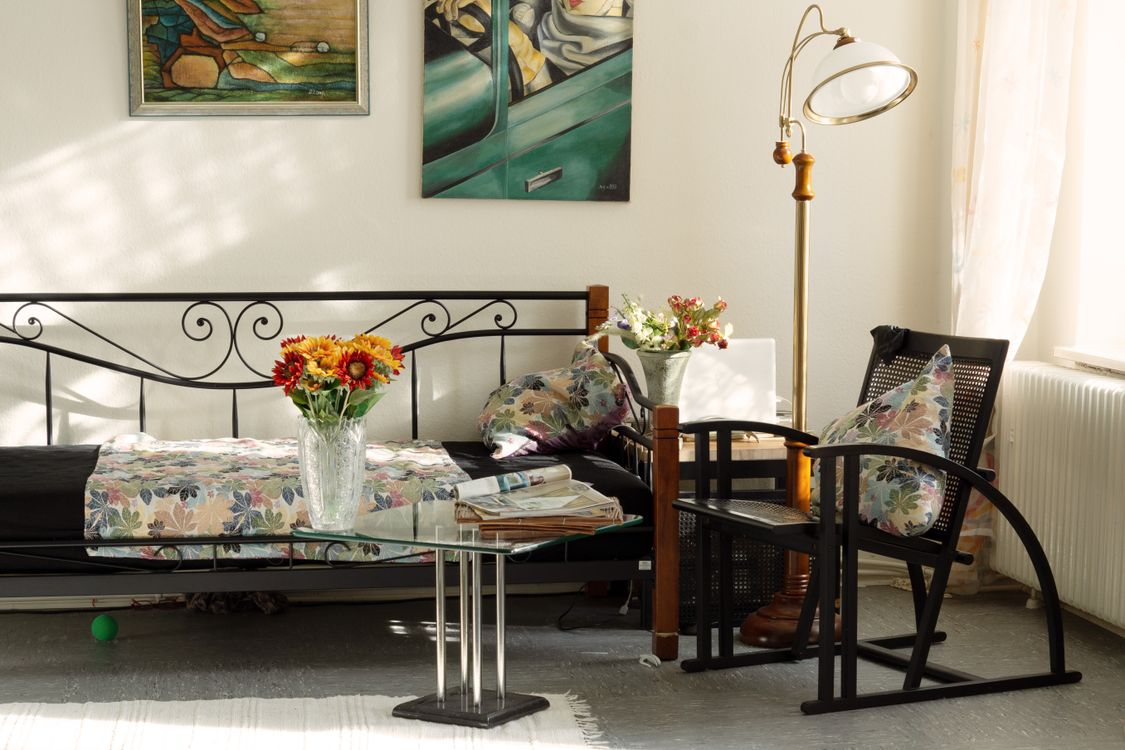
Finding a new place to live is always an adventure. Still, the biggest logistical headache is almost always the moving truck. Packing up heavy dressers, squeezing massive sofas through tight stairwells, and spending thousands of dollars on new appliances can turn an exciting life transition into a stressful ordeal. This is exactly why furnished rentals have exploded in popularity over the last few years.
Instead of dealing with the chaos of a moving day, you show up with a couple of suitcases, turn the key, and start living. But are they worth the premium price tag? Let’s dive deep into how these spaces work, exactly what you can expect to find inside them, and whether they make sense for your lifestyle and budget.
Furnished Rentals: Who They’re Best For
While the idea of a ready-to-go home sounds universally appealing, these properties are designed for people who value speed, flexibility, and convenience over long-term personalization. Because they carry higher monthly costs, they are best suited for individuals in transitional phases of life.
- Corporate Professionals and Business Travelers. Many companies relocate employees for projects lasting anywhere from three months to a year. For these corporate tenants, booking short-term apartment rentals is a seamless alternative to extended hotel stays, providing a real home environment with a kitchen and a separate workspace.
- International and Out-of-State Students. Moving across the country or from another continent makes transporting furniture practically impossible. Students flock to these units because they can move in a day before classes start and walk away the moment the summer break begins without worrying about selling a mattress on online marketplaces.
- Digital Nomads and Remote Workers. The modern remote work culture allows people to live in a new city every few months. For this demographic, furnished rentals are the ultimate lifestyle enabler, allowing them to experience different neighborhoods without ever being tied down by physical belongings.
- People Going Through Major Life Changes. Whether someone is dealing with a sudden divorce, waiting for a delayed home construction project to finish, or relocating to a new city on short notice, a turnkey property provides a safe, immediate harbor without requiring a massive upfront financial investment.
Furnished Apartments for Rent NYC: Neighborhoods and Availability
When it comes to competitive real estate, New York City is in a league of its own. In this fast-paced market, furnished apartments for rent in NYC constitute a significant share of the local housing stock. Finding these units requires an understanding of how different neighborhoods operate and of the current rental landscape.
- Midtown Manhattan (East and West). As the commercial heart of the city, Midtown boasts the highest concentration of corporate housing. Here, you will find modern luxury high-rises offering breathtaking views, doorkeeper services, and direct access to major office hubs.
- The Financial District (FiNDI) and Downtown. This area features many historic office buildings converted into sleek, high-ceilinged apartments. It is incredibly popular with young financial professionals who want to walk to work and enjoy a highly active urban lifestyle.
- Williamsburg and Long Island City. Located just across the river in Brooklyn and Queens, these neighborhoods offer high-end, fully furnished newer developments. They are major magnets for tech workers and creatives who want top-tier amenities like rooftop pools and communal co-working spaces.
The current market environment makes searching for furnished apartments NYC particularly challenging. With local vacancy rates hovering under five percent, competition for good units is fierce. Inventory is highly cyclical: thousands of units open in late spring and summer as student and corporate cohorts rotate, while the winter months see fewer listings but slightly more room to negotiate prices. Because demand is so high, working with specialized corporate housing platforms or local brokers who specialize in short-term leases is often the most reliable way to secure a premium unit.
What Does a Furnished Apartment Include? Checklist of Furniture and Appliances
One of the most frequent sources of confusion for renters is the phrase: “What does a furnished apartment include?” The exact inventory can vary quite a bit depending on the landlord and price tier, but industry standards require that the property be fully functional from day one.
To help you know exactly what to look for during a viewing, here is a comprehensive checklist of the essential furniture, electronics, and appliances that should be present in a high-quality unit.
- The Living Area Essentials. The main social space should center around comfort and entertainment. A standard package includes a comfortable sofa or sectional, a coffee table, an entertainment console, and a flat-screen smart TV with internet connectivity.
- The Bedroom Setup. At the bare minimum, the bedroom must feature a complete bed frame with a high-quality mattress and a protective cover. It must also provide adequate storage options, including at least one spacious wardrobe or chest of drawers, along with nightstands and reading lamps.
- A Complete Dining Area. Depending on the overall square footage of the layout, you should find a dedicated dining table paired with two to four matching chairs, or a kitchen island fitted with sturdy barstools for casual dining.
- Major and Minor Kitchen Appliances. The kitchen must be functional for daily cooking. This means full-sized appliances like a refrigerator, freezer, stove, and oven, supplemented by smaller counter conveniences like a microwave, an electric kettle, and a coffee maker.
- Bathroom and Laundry Utilities. A proper setup will include a clean shower unit or bathtub, basic storage mirrors, and a trash bin. Crucially, many premium units feature an in-unit washer and dryer, saving you trips to the local laundromat.
Fully Furnished vs. Partially Furnished vs. Unfurnished
As you browse through online property listings, you will encounter various terms describing how much furniture is left inside the unit. Understanding these distinctions is critical because they dictate exactly what items you will need to purchase out of your own pocket before moving day.
- Fully Furnished Properties. When a space is advertised as fully furnished, it means it is a true turnkey solution. Beyond the large furniture items, the landlord provides household smalls: pots, pans, plates, silverware, towels, bedding, and sometimes even vacuum cleaners and basic cleaning supplies.
- Partially Furnished Properties. These units provide only the large, heavy items that are difficult for tenants to move. You can expect a bed frame, a sofa, and major kitchen appliances. Still, you will need to supply your own linens, kitchen utensils, electronics, and decorative pieces to make the space livable.
- Unfurnished Properties. This is the traditional rental standard. The apartment is a blank canvas, containing nothing more than the built-in kitchen cabinets and major appliances such as a fridge and stove. The tenant must bring in every single piece of furniture.
Do Apartments Come Furnished? Differences by Market and Price
If you are wondering, do apartments come furnished by default? The short answer is no, but the long answer depends heavily on geography, local culture, and your overall budget. In most global rental markets, unfurnished units remain the baseline, but specific economic factors can change the rules.
- Metropolitan and International Hubs. In fast-moving cities with transient populations, demand for move-in-ready spaces is incredibly high. Landlords in these areas frequently convert their properties to attract short-term renters because they can command significantly higher monthly rates.
- The Premium Pricing Structure. A ready-to-live apartment generally costs anywhere from 15% to 50% more per month than its unfurnished counterpart. This premium covers the landlord’s upfront investment in high-quality furniture, the accelerated wear and tear on those items, and the flexibility of shorter lease terms.
- Short-Term vs. Long-Term Contracts. Standard rentals usually require a strict twelve-month commitment. In contrast, properties that come with furniture are often optimized for short-term apartment rentals, offering flexible monthly or seasonal leases that align perfectly with business projects or academic semesters.
Ultimately, opting for a turnkey living situation boils down to a math problem involving time and money. While the monthly rent is undeniably higher, you save thousands of dollars on buying furniture, avoid the physical stress of moving day, and retain the freedom to pack your bags and change cities whenever inspiration strikes.