
Understanding Genetic Characteristics And Origin Of HaCaT Cells

In skin biology or dermatological research, you'll find that there is one consistent problem that you are confronted with. Specifically, the standardization of primary human keratinocytes is challenging. These can vary from donor to donor, and they can also change with each passage and sometimes add variability to the experimental outcome.
As a result, this variability makes it difficult for you to determine real bio-effects.
To address this issue, researchers need a consistent model of human epidermis with stable and reproducible characteristics. In this context, HaCaT cells are important in this application due to their ability to proliferate over long periods while maintaining epidermal characteristics. This makes them a reliable vitro controlled tool for skin research.
In this article, you will hear the stories behind HaCaTs, their genetic features, and their current use as a universally accepted reference model in skin biology and in preclinical research.
Origin of HaCaT Cells
When you work with HaCaT cells, you are using a spontaneously immortalized human keratinocyte line derived from adult epidermal tissue. These cells were derived from normal human skin keratinocytes, which have been long-term cultured; as a result, the cells have a capacity to bypass replicative senescence but still keep their epithelial identity.
This immortalization is not equivalent to cancer transformation. Instead, it shows stable genetic adjustments that maintain normal growth control while enabling unlimited proliferation. Therefore, this is essential if you need a human model that is biologically relevant and useful in your long-term experiments.
Human epidermal cells give HaCaT cells a strong resemblance to the structure and function of keratinocytes. After an extended culture period, they retain the expression of epidermal markers and their differentiation capacity, thereby enabling their use in controlled dermatological studies.
What are HaCaT Cells?
HaCaT cells are best known as an immortalized human keratinocyte cell line that serves as an in vitro model of basal epidermal human skin cells. Importantly, they do not arise in cancer but are able to proliferate indefinitely in culture.
These can be used as a standardized model of “human epidermis” under controlled lab conditions. They maintain vital biological properties such as differentiation potential, stress response signaling, and protein expression required for barrier function.
For this reason, HaCaT cells are commonly adopted as a reference system in cosmetic, toxicological, and dermatological safety research. This is where reproducibility is crucial, while at the same time preserving key biological functions.
Genetic Characteristics and Chromosomal Stability Profile
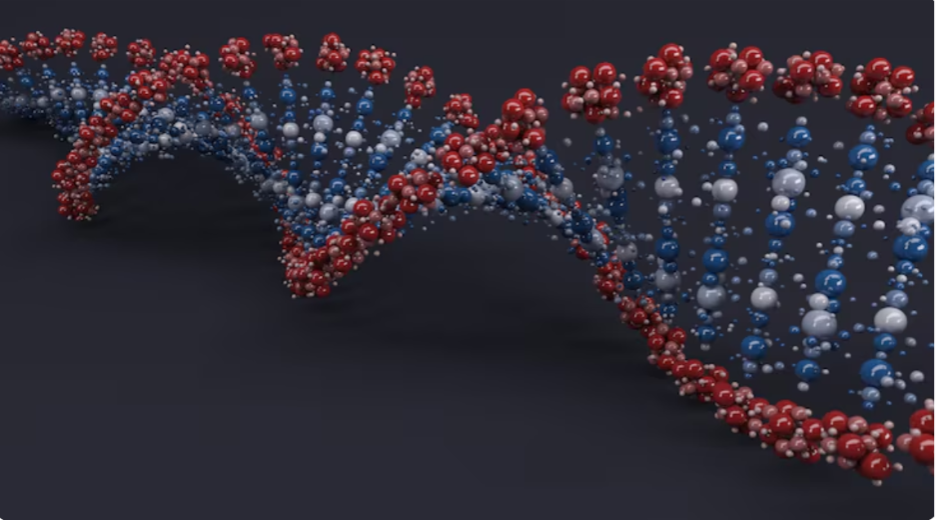
HaCaT cells have an almost diploid chromosome number, which means they tend to keep most of their chromosomes intact, like normal human cells. They also have fixed structural changes resulting from the immortalization process.
These genomic alterations are stable and reproducible, which is why you can rely on them for consistent experimental outcomes. Importantly, these changes are not the ones that regulate the cells towards complete malignant transformation, but rather allow them to continuously multiply. This also enables the use of HaCaT cells as a non-tumorigenic model of epidermal biology.
At the transcriptional level, HaCaT cells stably express the major keratin genes KRT5 and KRT14. This stability ensures that their basal keratinocyte identity remains intact across passages, thereby reducing variability in gene expression studies.
Four Benefits of HaCaT Cells in Skin Health Research

1. Experimental Reproducibility and Stability
You benefit from highly consistent results because HaCaT cells maintain stable growth behavior across multiple passages. This reduces donor-related variability that is common in primary keratinocyte cultures.
2. Human-Relevant Epidermal Model
Since these cells originate from human skin, you work with a system that closely reflects human epidermal biology. This improves translational relevance compared to non-human models.
3. Controlled Barrier Function Analysis
HaCaT cells allow you to study epidermal barrier properties under controlled conditions. You can evaluate tight junction proteins and assess how external compounds affect skin permeability and integrity.
4. Reliable Toxicology Stress Response Testing
You can use HaCaT cells to evaluate cytotoxicity, oxidative stress, and inflammatory responses. This makes them valuable for early-stage screening in dermatology, pharmacology, and cosmetic safety testing.
Keratin Expression: Epidermal Identity Maintenance
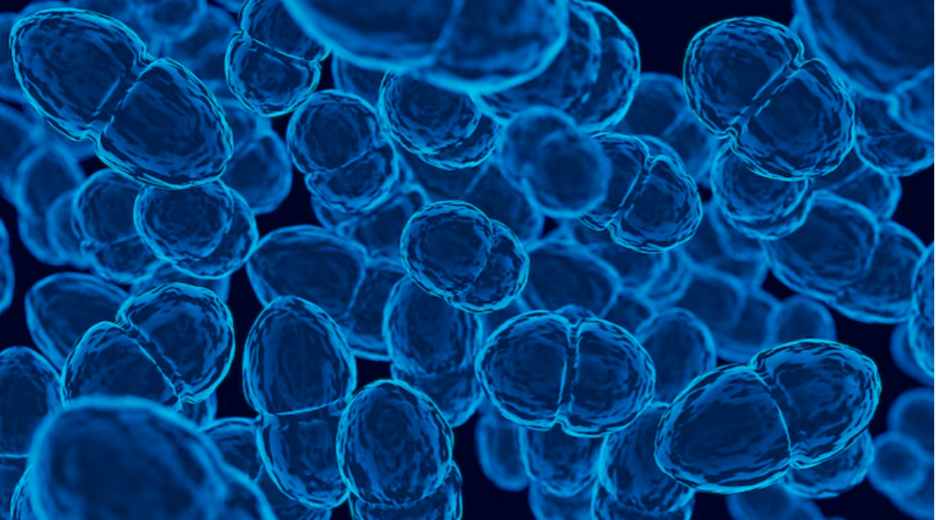
A key reason HaCaT cells are widely used is their stable expression of epidermal keratins. You consistently observe basal keratin markers such as KRT5 and KRT14, which define their identity as basal layer keratinocytes.
This expression pattern allows you to study differentiation processes in a controlled system without losing the biological context of human skin. Even after extended culture, these markers remain relatively stable, which improves experimental reproducibility.
This stability in keratin expression is one of the reasons HaCaT cells remain a reference model for epidermal biology studies and mechanistic research on skin differentiation.
Barrier Function Skin Architecture Modeling
If your research involves skin permeability or protection mechanisms, HaCaT cells provide a practical in vitro system. Under specific culture conditions, they can form multilayered structures that mimic aspects of the human epidermal barrier.
Within these structures, you can study tight junction proteins such as claudins and occludins, which regulate paracellular transport and barrier integrity. This is essential when evaluating how compounds interact with skin layers.
Dermatological models confirm that keratinocyte-based systems remain essential tools for studying epidermal barrier formation and disruption under controlled laboratory conditions.
Conclusion
HaCaT cells are a well-characterized immortalized human keratinocyte model derived from adult epidermis. Their near-diploid genetic structure, stable keratin expression, and long-term proliferative capacity make them a reliable system for controlled skin research.
When you use HaCaT cells, you work with a standardized model designed to reduce variability and improve reproducibility. This makes them a foundational tool in epidermal biology, toxicology, and preclinical skin research where consistency is essential.