
Botox Cost: What Affects Pricing and Is It Worth It?
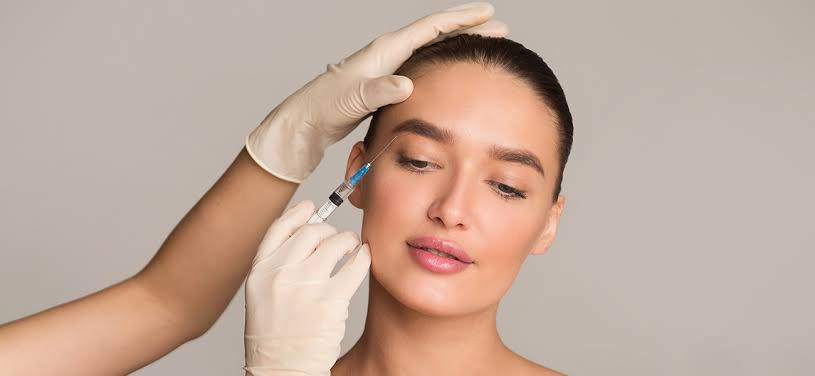
When planning a non-surgical anti-aging regimen, understanding the financial aspects of treatment is just as important as evaluating clinical results. Prospective patients frequently research botox cost to determine how to budget for their aesthetic goals. Because pricing structures vary significantly across different regions and clinics, evaluating the underlying factors that influence total treatment costs helps patients make informed, financially sound decisions without compromising on safety.
Average Cost of Botox
In the cosmetic industry, anti-aging injections are typically priced using one of two primary methods: a flat rate per specific treatment zone or a precise fee per individual unit administered. The unit-based pricing model is widely considered the fairest approach, as it ensures patients pay only for the exact amount of neuromodulator required for their specific anatomy.
Depending on the geographic location and the reputation of the medical spa, individual units generally range from $12 to $25. A standard treatment targeting a single area, such as the glabellar frown lines between the eyebrows, usually requires 15 to 25 units, making the baseline investment per zone clear and calculable.
Factors Affecting Cost
Total procedure costs are rarely fixed, as they are shaped by several critical factors related to clinical expertise, regional economics, and personal anatomy:
- Geographic Location: Clinics located in major metropolitan areas or upscale urban neighborhoods face higher operational overhead costs, which naturally influences their pricing structures.
- Provider Expertise and Credentials: Treatments performed by board-certified dermatologists, plastic surgeons, or highly experienced nurse injectors command a premium rate due to their advanced specialized training.
- Total Units Required: Individual muscular strength, structural mass, and the depth of existing wrinkles dictate the volume of product needed; for instance, male patients often require more units due to stronger facial muscle configurations.
Is Botox Worth It?
To determine the true value of the treatment, it is helpful to look at it as a long-term investment in preventative skincare.
Compared to expensive anti-aging creams that only treat the surface of the skin, neuromodulators address the root cause of dynamic wrinkles by relaxing the underlying muscles. By preventing fine lines from deepening into permanent creases, regular maintenance sessions can delay or entirely eliminate the need for costly, invasive surgical facelifts later in life, providing high practical value and a significant boost to personal confidence.
How to Choose a Provider
While finding a good deal is always appealing, choosing an aesthetic provider based solely on the lowest price can carry serious risks. Extremely low prices often indicate that a clinic is using diluted products, uncertified injectors, or counterfeit formulations, which can lead to asymmetric results, drooping eyelids, or medical complications.
Patients should prioritize safety and quality by selecting fully accredited medical spas that use genuine, FDA-approved products and employ licensed medical professionals with proven track records.
Navigating the costs of aesthetic treatments requires a careful balance between financial practicality and clinical safety. While the total price of injections depends on your unique facial anatomy and the provider's experience, choosing quality care always yields the most rewarding, natural-looking results. By partnering with a reputable, certified medical spa, you can ensure that your cosmetic investment delivers safe, effective, and beautifully precise anti-aging outcomes.