
Can Smart Glasses Replace Your Everyday Frames?
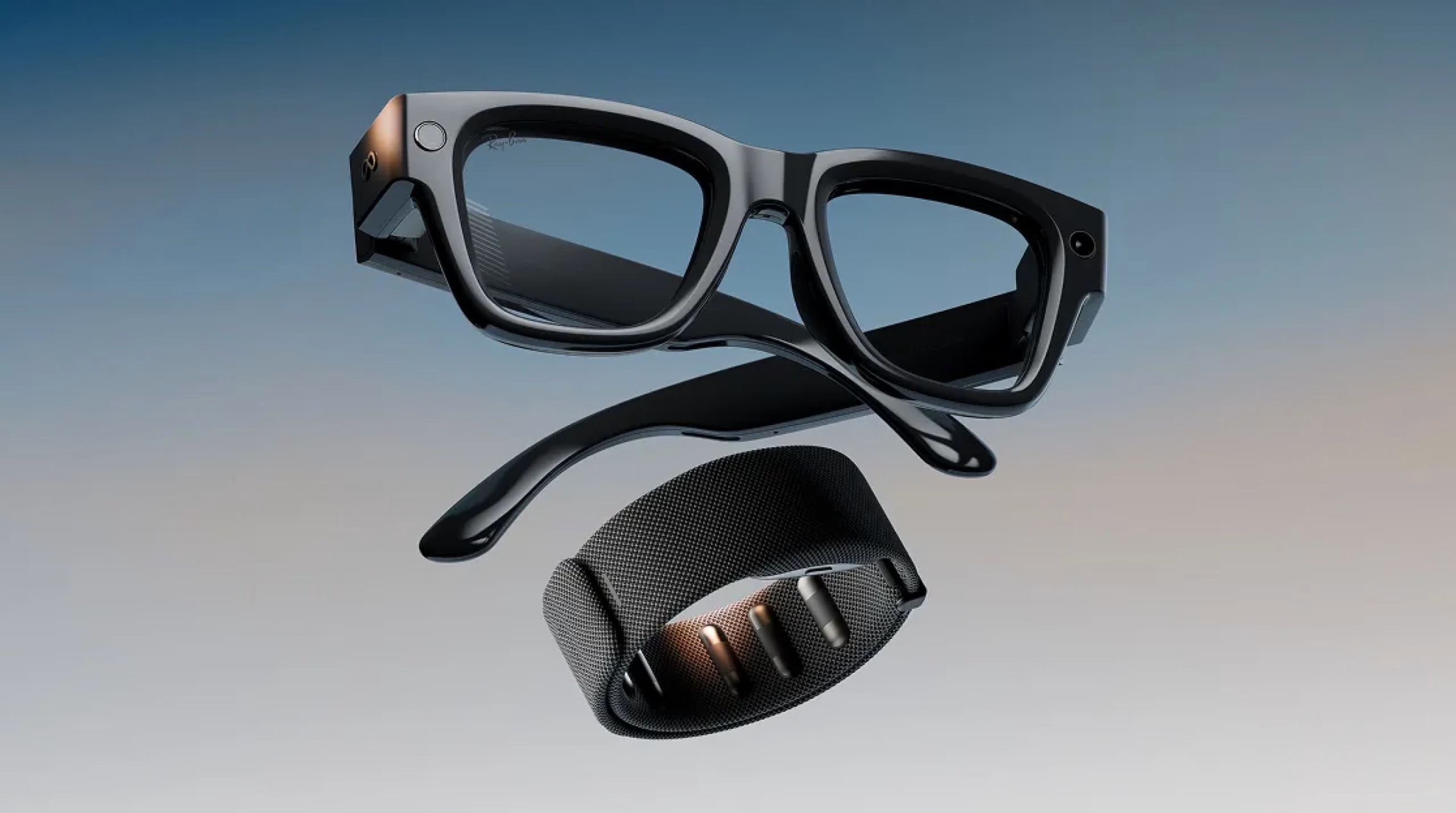
Eyewear has always been part of personal style. The right frames can make an outfit feel more polished, complement someone’s features, or become a recognizable part of their identity. But as wearable technology develops, glasses are beginning to offer more than appearance and vision support.
Smart glasses now combine familiar eyewear designs with cameras, microphones, speakers, and connected features. For fashion enthusiasts and content creators, this introduces new possibilities for documenting outfits, capturing experiences, and sharing everyday moments.
So, could smart glasses eventually replace conventional frames? The answer depends on how well they balance personal style, practical features, and everyday comfort.
The Growing Role of Technology in Fashion and Lifestyle
Technology has changed how people discover, interpret, and share fashion. Social media platforms have made street-style photography, outfit videos, and styling tutorials accessible to audiences far beyond traditional fashion publications.
A creative outfit no longer needs a professional campaign to reach thousands of people. Someone can document their personal style from a bedroom, sidewalk, café, or weekend event and turn those moments into engaging visual content.
Digital tools have also changed the creative process itself. Smartphones make spontaneous photography possible, editing software helps refine images, and virtual styling applications allow people to experiment with looks before committing to them.
These developments reflect a wider shift in how digital media influences creative expression. Fashion storytelling increasingly combines photography, video, sound, and personal experiences rather than relying exclusively on carefully composed editorial images.
Wearable technology takes this evolution further by making some recording and communication tools part of an accessory people already wear.
This changes the relationship between fashion and functionality. Instead of carrying a separate device for every task, consumers can choose accessories that serve multiple purposes while complementing their everyday appearance.
Enhancing Fashion Photography and Styling Sessions
Fashion photography usually involves more preparation than the finished images suggest. There are outfit adjustments, lighting tests, location changes, makeup touch-ups, and conversations between photographers, stylists, and models.
These behind-the-scenes moments can be just as engaging as the final photographs, particularly for audiences interested in understanding how a look comes together.
Wearable recording devices offer another perspective on that process. A stylist could capture a quick first-person clip while arranging accessories, preparing a clothing rack, or reviewing different outfit combinations. A fashion creator could document the experience of moving between shooting locations without repeatedly reaching for a smartphone.
This perspective can make behind-the-scenes content feel more immediate. Rather than watching an entire session from a fixed camera position, viewers can experience parts of the creative process from the creator’s point of view.
Smart glasses can also help capture spontaneous moments that might otherwise disappear before someone has time to retrieve a camera. A model laughing between takes, a final adjustment to an outfit, or the atmosphere backstage can become useful material for a short lifestyle video.
However, wearable cameras are better viewed as complementary equipment than replacements for professional photography tools. Dedicated cameras still offer greater control over framing, lenses, lighting, and image composition.
For fashion shoots, the strongest approach may be combining polished editorial photography with less formal footage that reveals the personality and effort behind the finished work.
Wearable Technology as a Tool for Content Creators
Content creation increasingly involves capturing experiences as they happen. Fashion and lifestyle creators often move between activities throughout the day, whether visiting a showroom, attending an event, exploring a city, or preparing an outfit for a collaboration.
The challenge is documenting these experiences without allowing the recording process to interrupt them.
Wearable cameras offer a different approach because they allow creators to capture footage from their natural viewing perspective. Instead of holding a phone continuously, they can record selected moments while keeping their hands available for other activities.
For example, AI sunglasses with camera and audio combine hands-free visual recording with built-in speakers and microphones, illustrating how eyewear can become a practical part of a creator’s everyday equipment. This can be useful when documenting outdoor fashion content, travel experiences, styling preparations, or informal behind-the-scenes moments.
Oakley’s Meta eyewear supports photo and video capture through physical controls and voice commands. Its open-ear audio design also allows users to listen to compatible audio content without wearing conventional earbuds.
These features may appeal to creators who want to capture short, spontaneous clips without setting up separate recording equipment.
There are limitations, though. Smart glasses have batteries that need charging, recording capabilities that vary by model, and companion applications used to manage captured media. They also require consideration for the people being recorded.
Oakley’s smart eyewear guidance explains that an external capture light signals when photos or videos are being taken. Creators should still seek permission where appropriate and respect privacy expectations, particularly during private styling appointments, backstage preparations, or other restricted environments.
The real advantage of wearable recording is convenience. It adds another way to capture content rather than replacing the creative judgment needed to produce something worth watching.
Blending Functionality With Personal Style
For smart glasses to become part of everyday fashion, their appearance matters as much as their technology.
Consumers generally want accessories that complement their wardrobes, not devices that feel awkward or out of place. Frame shape, color, lens type, comfort, and overall proportions all influence whether eyewear feels suitable for regular use.
A sporty frame might work naturally with athletic clothing, outdoor photography, or travel outfits. A more understated design could complement casual streetwear, denim, or relaxed everyday styling.
This is where versatility becomes important. Much like building a wardrobe that works for real life, choosing eyewear should involve thinking beyond one outfit or occasion.
Content creators may need accessories that move comfortably between different settings. Sunglasses worn during an outdoor shoot should still feel appropriate while exploring the city afterward. Frames used for everyday videos should also suit the creator’s personal aesthetic.
Smart glasses can offer this flexibility when the design, lens options, and features match someone’s needs.
However, conventional frames still have practical advantages. They do not require charging, software updates, or connected-device setup. Traditional eyewear also offers a broader range of designs and lens configurations, making it easier to prioritize specific vision needs or style preferences.
Smart glasses may become an everyday alternative for some people, but replacing conventional eyewear entirely is not necessarily the most practical choice.
The Future of Technology-Driven Fashion Content
The relationship between fashion and technology will likely become more closely connected as wearable devices develop.
For content creators, one of the most interesting possibilities is the ability to document personal experiences without interrupting them. Hands-free recording can offer audiences a closer view of the creative process, from preparing outfits and exploring locations to attending events and capturing everyday routines.
Emerging technologies may also influence how creators plan and present their work. AI-assisted editing, virtual styling, interactive shopping experiences, and connected accessories could make fashion content more personalized and easier to produce.
Still, better technology does not automatically produce better storytelling.
An engaging fashion video needs a clear idea, thoughtful presentation, and an understanding of what the audience wants to see. Smart accessories can make recording easier, but they cannot replace creativity, taste, or an authentic personal perspective.
There is also the question of how much technology people want incorporated into their daily lives. Battery life, comfort, privacy, cost, and long-term usefulness will influence whether smart glasses become regular wardrobe essentials or remain occasional accessories.
The most successful products will likely be those that fit naturally into existing routines instead of demanding that people change how they dress or behave.
Final Thoughts
Smart glasses are bringing new functionality to an accessory that has traditionally served fashion, sun protection, and vision needs. Their ability to capture hands-free footage, provide audio features, and support connected experiences makes them especially interesting for fashion and lifestyle content creators.
However, replacing everyday frames involves more than adding technology. Comfort, lens suitability, appearance, convenience, and personal preferences remain essential.
For now, smart glasses make the most sense as an additional eyewear option rather than a universal replacement for conventional frames. Their greatest potential lies in allowing people to combine useful technology with their personal style while finding new ways to document and share the world around them.