
How Secondhand Shopping Helps You Save Money and the Planet
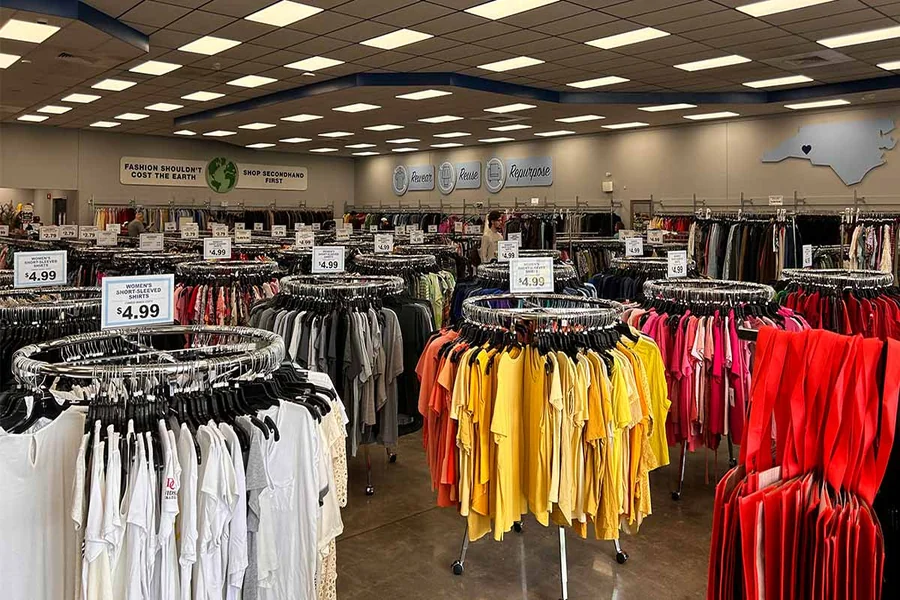
Why Your Shopping Choices Matter More Than Ever
Every purchase you make has an impact that goes far beyond your wardrobe. From the resources used to manufacture clothing to the waste generated when garments are discarded, the fashion industry leaves a significant environmental footprint. According to the United Nations Environment Programme, the fashion industry is responsible for approximately 2 to 8 percent of global greenhouse gas emissions, while millions of tons of textiles end up in landfills every year.
The good news is that you have more power than you might think. By choosing secondhand clothing and giving quality garments a new home, you can reduce waste, save money, and contribute to a more sustainable future without sacrificing your personal style.
One excellent example is Twice Loved, a platform that encourages extending the life of well-made clothing while making sustainable fashion more accessible to everyone.
Understanding the Environmental Cost of Fast Fashion
When you buy brand new clothing, you are also supporting a production process that often requires enormous amounts of water, energy, and raw materials.
For example:
1. Producing a single cotton T-shirt can require around 2,700 liters of water.
2. The fashion industry generates an estimated 92 million tons of textile waste annually worldwide.
Many garments are worn only a handful of times before being discarded. This cycle creates unnecessary waste and increases demand for new production, placing additional pressure on natural resources.
When you choose secondhand instead, you help slow this cycle by keeping perfectly wearable clothing in circulation.
Save More Without Compromising Quality
One of the biggest advantages of buying pre-owned clothing is the opportunity to stretch your budget.
Rather than purchasing several lower quality items, you can often afford premium brands that would otherwise exceed your budget. Many secondhand pieces have been gently worn or are even new with tags, allowing you to enjoy excellent quality at a fraction of the original retail price.
You may also discover timeless wardrobe staples that remain fashionable year after year, making your purchases even more valuable over time.
Whether you are shopping for everyday essentials, professional attire, or special occasion outfits, buying secondhand can help you build a versatile wardrobe while spending less.
Build a More Sustainable Closet
Creating a sustainable wardrobe does not require replacing everything you own overnight. Instead, it involves making thoughtful decisions each time you shop.
Consider these simple habits:
1. Prioritize quality over quantity.
2. Choose timeless styles that can be worn across multiple seasons.
3. Donate or resell clothing you no longer wear instead of throwing it away.
4. Care for your garments properly to extend their lifespan.
5. Shop secondhand before purchasing new items.
Small changes made consistently can significantly reduce your environmental impact while helping you avoid unnecessary purchases.
Discover Unique Pieces That Reflect Your Style
Shopping secondhand is also an opportunity to express your individuality.
Unlike traditional retail stores where thousands of identical items are sold, resale shops often carry one of a kind finds, discontinued collections, and vintage pieces that help you create a wardrobe with personality.
Instead of following rapidly changing trends, you can curate a collection of clothing that reflects your own tastes and lifestyle. Many shoppers find that secondhand shopping encourages more intentional purchasing because every item feels like a unique discovery rather than an impulse buy.
Support the Circular Economy
The concept of a circular economy focuses on keeping products in use for as long as possible through reuse, repair, resale, and recycling.
Every time you purchase a secondhand garment, you help extend its useful life while reducing the need for new manufacturing. This benefits consumers, businesses, and the environment alike.
The circular approach also creates economic opportunities for resale businesses, charitable organizations, and local communities while helping reduce landfill waste.
As more consumers embrace resale shopping, the market continues to grow. Industry research estimates that the global secondhand apparel market is expanding at a much faster pace than the traditional retail clothing market, reflecting increasing consumer awareness about sustainability and affordability.
Make Smarter Purchasing Decisions
Shopping sustainably is not just about buying used clothing. It also means becoming a more mindful consumer.
Before making your next purchase, ask yourself a few simple questions:
1. Will you wear this item regularly?
2. Does it complement clothing you already own?
3. Is it made from durable materials?
4. Can it be repaired if needed?
5. Will it remain useful for years rather than months?
These questions help reduce impulse purchases and encourage long term satisfaction with your wardrobe.
Small Choices Create Lasting Impact
You do not have to overhaul your lifestyle to make a positive difference. Every secondhand purchase helps reduce waste, conserve resources, and encourage more responsible consumption.
As more people choose resale shopping, the collective impact becomes increasingly significant. Fewer garments are discarded, fewer natural resources are consumed, and consumers enjoy meaningful financial savings along the way.
Your clothing choices may seem small on their own, but together they contribute to a healthier environment and a more sustainable future. By embracing secondhand fashion and shopping with intention, you can build a wardrobe that reflects both your personal style and your commitment to making smarter, more responsible decisions every day.