
Custom Antique Mirrors: Styles, Glass Types & Buying Guide
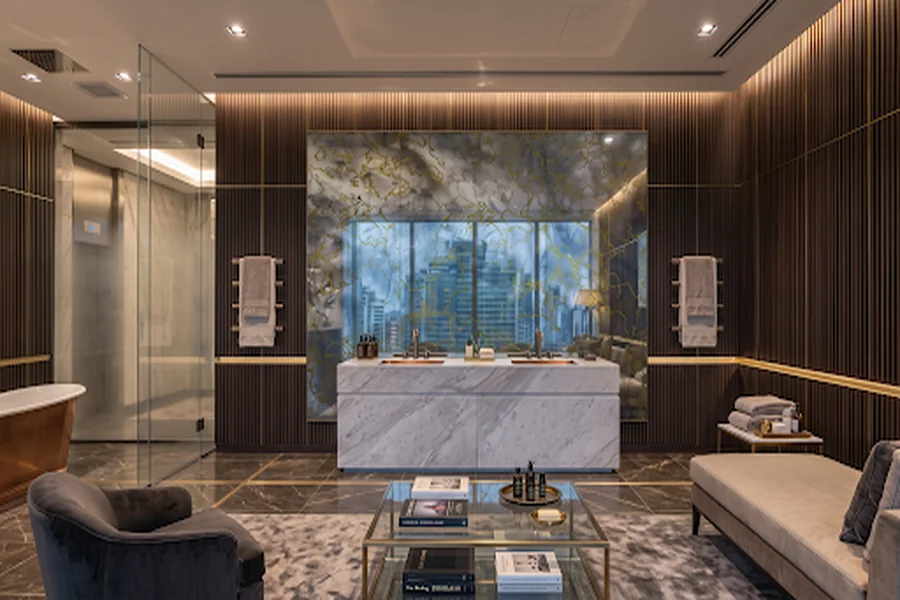
Antique-inspired mirrors have become one of the most versatile decorative elements in modern interior design. While genuine vintage mirrors can be expensive, fragile, and difficult to source, today’s manufacturing techniques allow homeowners, designers, and architects to recreate the timeless appearance of aged reflective glass with remarkable accuracy. Whether you’re restoring a historic property, designing a luxury bathroom, creating a statement wall, or furnishing a boutique hotel, custom antique mirrors offer the flexibility to match both classic and contemporary interiors without sacrificing durability or design freedom.
Unlike mass-produced decorative mirrors, custom-made options allow precise sizing, edge finishing, tint selection, and installation methods that suit the project’s unique requirements. Understanding how these mirrors are manufactured, where they work best, and which styles complement different interiors can help homeowners make informed design decisions that remain attractive for years.
What Makes an Antique Mirror Different?
An antique mirror is intentionally manufactured to replicate the naturally aged appearance found in historic mirrors. Over decades, traditional mirrors often develop oxidation around the edges, soft cloudy patches, dark spotting, and subtle imperfections caused by moisture, environmental conditions, and aging of the reflective backing.
Modern antique mirrors recreate these characteristics using controlled manufacturing techniques rather than relying on decades of natural wear. The result is decorative glass that captures vintage charm while maintaining modern structural integrity and optical quality.
Unlike standard clear mirrors that provide nearly perfect reflections, antique mirrors intentionally soften reflections. This creates warmth, texture, and visual depth, making them popular in both residential and commercial interiors.
Why Antique Mirrors Continue to Trend in Interior Design
Interior design trends frequently evolve, yet antique mirrors have maintained lasting popularity because they balance elegance with functionality.
Their reflective surface brightens rooms while the distressed finish reduces harsh glare often associated with conventional mirrors. Designers frequently use them to create layered lighting effects without producing overly sharp reflections. Additionally, antique mirrors pair surprisingly well with multiple design styles, including:
- Modern farmhouse
- Industrial lofts
- Traditional homes
- Art Deco interiors
- French country design
- Transitional spaces
- Contemporary luxury homes
Their versatility explains why they continue appearing in hospitality projects, upscale restaurants, luxury retail stores, and custom residential renovations throughout the United States.
Understanding the Different Antique Mirror Finishes
Not all antique mirrors look alike. Manufacturers produce several decorative finishes, each offering a different visual character.
Light Distressed Finish
This style maintains relatively high reflectivity while introducing subtle aging effects. It works well where homeowners still need functional mirror performance, such as bathrooms, powder rooms, or dressing areas.
Medium Distressed Finish
A balanced appearance featuring noticeable oxidation patterns without overwhelming the reflection. This remains one of the most requested finishes because it complements both traditional and modern interiors.
Heavy Distressed Finish
Designed primarily for decorative applications, heavy distressing introduces extensive spotting, clouding, and darkened sections that become artistic focal points rather than purely reflective surfaces.
Smoky or Bronze Antique Finish
Many manufacturers produce antique mirrors using bronze or gray-tinted glass before distressing. These options create richer color depth and pair exceptionally well with darker cabinetry and warm-toned interiors.
How Modern Antique Mirror Glass Is Manufactured
Today’s production methods differ significantly from naturally aged historical mirrors. Manufacturers typically begin with high-quality float glass before applying reflective coatings. Specialized chemical processes then create controlled oxidation patterns, distressed markings, and decorative aging effects. Protective backing layers are applied afterward to improve durability and help resist premature deterioration.
Because the aging pattern is intentionally engineered, manufacturers can produce relatively consistent appearances while still allowing every sheet to exhibit unique variations. No two finished panels appear completely identical, which contributes to their authentic character.
Popular Applications Throughout the Home
Antique mirrors have expanded well beyond traditional hallway installations.
Bathroom Vanities
Many homeowners want bathrooms that feel luxurious without appearing overly modern. Antique mirror panels soften reflections while adding warmth to vanity walls.
Unlike bright contemporary mirrors, distressed glass creates a more relaxed atmosphere that complements marble, natural stone, brass fixtures, and wood cabinetry.
Dining Rooms
Installing decorative mirrored panels along dining room walls increases perceived space while reflecting ambient lighting from chandeliers and sconces.
The aged finish prevents distracting reflections during meals while creating an elegant backdrop.
Fireplace Surrounds
A fireplace naturally serves as a room’s focal point. Antique mirror panels above or around the mantel add depth without competing against architectural details. This application remains particularly popular in transitional and traditional homes.
Bedroom Furniture
Custom mirror inserts frequently appear on wardrobe doors, dresser fronts, bedside tables, and decorative cabinet panels. Because antique finishes reduce fingerprint visibility compared with standard mirrors, furniture applications often require less frequent cleaning.
Commercial Design Applications
The hospitality and retail industries increasingly incorporate decorative mirror glass into customer-facing environments.
1. Hotels
Hotels often install antique mirrors behind reception desks, within elevator lobbies, and inside luxury suites.
2. Restaurants
Restaurants use them to create inviting atmospheres by diffusing light and visually expanding dining areas.
3. Retail
Retail designers appreciate antique mirrors because they elevate product displays without producing the harsh reflections associated with conventional mirrored walls.
4. Office Interiors
Office interiors also benefit from decorative mirror installations, particularly in reception spaces where branding and first impressions matter.
Choosing the Right Thickness and Glass Type
Selecting the correct glass thickness depends largely on installation location.
- Wall-mounted decorative panels commonly use thinner glass, while larger installations may require thicker panels for improved rigidity.
- When mirrors are incorporated into doors, furniture, or commercial environments, tempered safety glass may be recommended to improve impact resistance and comply with applicable building codes.
- Edge finishing also affects both appearance and safety. Popular edge options include polished edges, beveled edges, pencil-polished edges, and flat-polished profiles.
- Professional installers typically recommend matching edge treatments with surrounding architectural details for a cohesive appearance.
Installation Considerations Before Ordering
Accurate measurements remain one of the most important aspects of any mirror project. Even small measurement errors become highly visible once large decorative panels are installed. Installers also evaluate:
- Wall flatness
- Moisture exposure
- Mounting method
- Structural support
- Lighting placement
- Expansion gaps
Large decorative installations often require specialized mirror adhesive combined with mechanical support systems to ensure long-term stability.
Bathrooms and kitchens deserve additional attention because elevated humidity levels can affect improperly protected mirror backing over time.
Cleaning and Maintenance Best Practices
One advantage of antique mirror finishes is that they tend to conceal minor smudges better than clear mirrors. However, proper cleaning remains essential. Use a microfiber cloth with a non-ammonia glass cleaner or a mild soap solution. Rather than spraying directly onto the mirror, spray the cloth first to reduce the possibility of liquid reaching exposed edges.
Avoid abrasive pads, harsh chemicals, and excessive moisture around the perimeter, as prolonged exposure can eventually damage reflective coatings. Routine dusting and occasional cleaning are usually sufficient to preserve appearance for many years.
Antique Mirrors Compared with Standard Mirrors
Both mirror types serve different design purposes. Standard mirrors maximize clarity and brightness, making them ideal for grooming, bathrooms, and dressing spaces where precise reflections matter.
Antique mirrors, by comparison, priorities atmosphere and decorative appeal. Their softened reflections create visual warmth while reducing glare and adding texture.
Many designers intentionally combine both within the same home, using clear mirrors where functionality is essential and decorative mirrors where ambience is the primary goal.
Design Trends Shaping Decorative Mirror Projects
Current interior design trends increasingly favor personalized architectural features over mass-produced décor.
As a result, homeowners are requesting larger decorative wall panels, floor-to-ceiling mirror installations, integrated cabinetry, and statement feature walls.
Mixed-material combinations have also gained popularity, pairing antique mirror glass with:
- White oak
- Walnut
- Black steel
- Natural stone
- Fluted wood panels
- Brass hardware
- Matte black fixtures
Another growing trend involves combining decorative mirror panels with LED accent lighting, creating subtle reflections that enhance evening ambience without overwhelming the space.
Because these mirrors diffuse light rather than reflecting it sharply, they contribute to softer, more inviting interiors.
Common Questions Before Choosing Decorative Mirror Glass
Many homeowners wonder whether antique mirrors become darker over time. Modern manufacturing techniques typically produce stable finishes designed to remain visually consistent under normal indoor conditions.
Others ask whether the distressing affects durability. The decorative appearance exists within the reflective coating rather than representing physical damage to the glass itself, so the structural performance remains comparable to standard mirror glass when manufactured correctly.
Some buyers also question whether every panel will look identical. Because distressing patterns intentionally vary, slight differences should be expected and are generally considered part of the product’s authentic aesthetic.
Sustainability Considerations
As sustainable construction becomes more important, designers increasingly evaluate decorative materials based on durability and longevity.
Long-lasting architectural glass products can reduce replacement frequency, while precise manufacturing helps minimize waste during fabrication.
When selecting decorative mirrors, homeowners may also consider manufacturers that priorities responsible sourcing, recyclable packaging, and environmentally conscious production methods.
Although sustainability varies by manufacturer, choosing durable materials designed for decades of use generally supports more responsible interior design decisions.
Final Thoughts
Decorative mirrors have evolved from simple reflective surfaces into important architectural design elements. Their ability to add depth, soften lighting, and introduce timeless character makes them suitable for nearly every room, from residential bathrooms and dining spaces to luxury hotels and commercial interiors.
Whether incorporated into furniture, feature walls, fireplaces, or hospitality projects, custom antique mirrors provide designers with exceptional flexibility while capturing the elegance of vintage glass through modern manufacturing techniques. Understanding glass finishes, installation requirements, maintenance practices, and current design trends allows homeowners and professionals alike to make informed choices that balance aesthetics, functionality, and long-term value.