
6 Pest Challenges Unique To Idaho’s Climate And Landscape
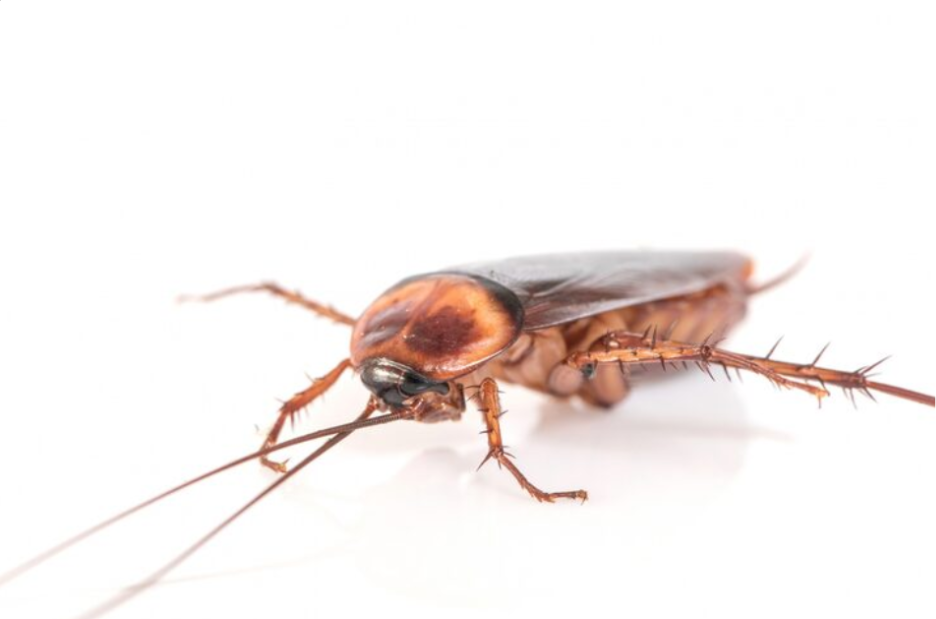
Because of the changing weather conditions, differences in elevations, and the expansive areas of farms, pest activity in Idaho is hard to predict. If a home is free from unwanted pests in the current season, it is extremely easy for an insect or rodent to move in when temperatures, moisture, and food sources change depending on the time of year.
These changes impact homes, businesses, and farming communities, which is why it is crucial to prevent an infestation rather than responding once it has started. Knowing how Idaho’s climate and landscape can affect the behavior of pests can help you identify pests sooner and select solutions best suited to the Idaho environment.
Knowing what drives differences in pest pressures makes inspections and treatments more effective because different regions experience different pest pressures. Let’s look at six pest problems that are particularly Idaho-specific and how you can get ahead of them.
1. Seasonal Changes In Temperature Cause Non-stop Pest Movement
Climate change in Idaho is a significant factor in when and where pests are active. With temperature fluctuations, many species begin to travel to and from structures and outdoor environments in search of shelter, food, and water.
The situation in eastern Idaho is a good example: the warm summers and cold winters mean that seasonal pests can migrate easily. Searching for Pest Control in Idaho Falls, homeowners are likely to encounter rodents, spiders, ants, and other pests that migrate indoors when conditions outside aren’t as favorable.
Ants and wasps often emerge in the spring. Insects breed quickly in the summer. Fall and winter bring rodents looking for warm nest locations and many pests to basements, crawl spaces, and wall voids. Pre-season sampling minimizes unanticipated infestations.
2. Irrigation And Agriculture Support Large Pest Populations
Idaho’s farming industry provides great environments for many pests. Insects and rodents are able to sustain themselves for months in irrigated fields, cropland, and stored grain.
Common agricultural pests are:
- Mice and voles in the field
- Grasshoppers
- Flies
- Beetles
- Earwigs
Homes in close association with farmland are often exposed to more pests than homes in urban neighborhoods. Pests will often be washed into garages, sheds, gardens, and homes after harvest starts, even if they have already infested nearby fields.
This can be reduced by keeping vegetation clear, minimizing food waste, and closing small openings around your home.
3. Mountain And Forest Areas Bring Wildlife Closer To Homes
Idaho is wrapped in forests, mountains and natural habitat. The lovely scenery, however, also puts homes near wildlife that can become a nuisance. When looking for shelter, squirrels, raccoons, bats, mice and other animals can move into attics, chimneys or crawl spaces.
Insects that grow around trees and fallen wood, such as carpenter ants and wood-boring beetles, also favor wooded areas.
If your property is adjacent to natural areas:
- Prune dead branches from trees
- Keep firewood away from the home
- Seal broken roof vents
- Cover chimney openings
- Inspect attics regularly
Prevent expensive wildlife issues with routine maintenance
4. Dry Summers Increase The Search For Water
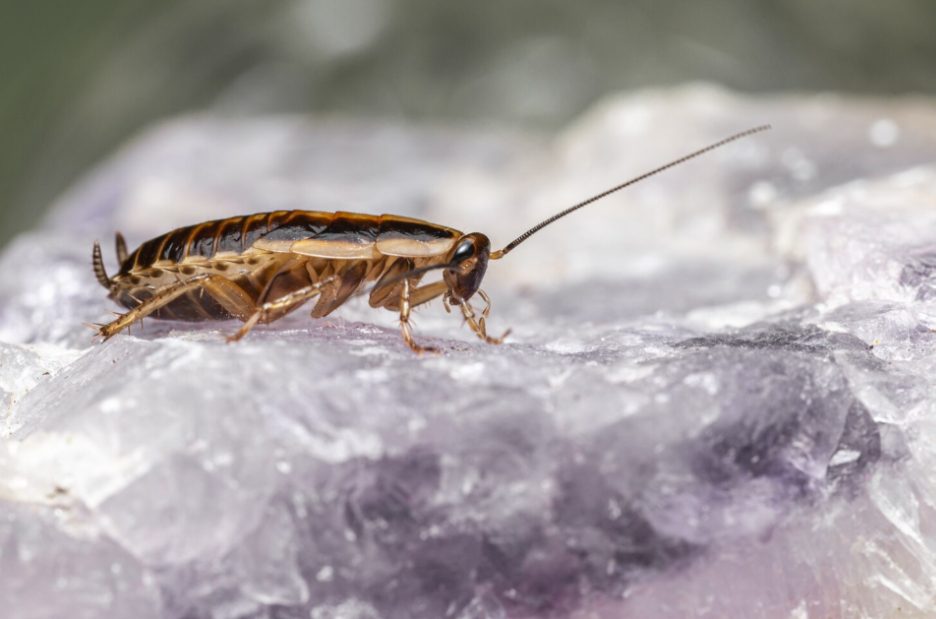
Many areas of Idaho have extended dry seasons. Many insects will move nearer to homes due to the availability of dependable water, such as irrigation systems, leaking faucets, bird baths, and outdoor pet bowls.
Moisture-seeking pests are common and include:
- Ants
- Spiders
- Cockroaches
- Wasps
Small plumbing leaks in kitchens, bathrooms, and basements can draw pests over time. One of the primary reasons pests stick around in the first place is standing water around your property, so check for water leaks, improve drainage, and remove any water from the property.
5. Cold Winters Encourage Indoor Rodent Activity
Harsh winters are one of Idaho’s most significant pest challenges. As temperatures drop, mice and rats look for heated spaces where food and nesting materials are available. Homes provide everything needed when entry points go unnoticed.
Rodents can squeeze through surprisingly small openings around:
- Utility pipes
- Garage doors
- Foundation cracks
- Roof edges
- Dryer vents
Once inside, they may contaminate food, damage insulation, chew electrical wiring, and reproduce quickly. Before winter arrives, inspect your home’s exterior carefully. Seal gaps with durable materials, replace damaged weather stripping, and store food in tightly sealed containers. Early prevention is far easier than removing an established rodent population.
6. Diverse Elevations Create Different Pest Risks Across Idaho
One reason pest management in Idaho can be challenging is the state’s diverse geography. Higher elevations often experience cooler temperatures and shorter pest seasons. Lower valleys may have longer warm periods that allow insects to remain active for extended parts of the year.
Local vegetation, rainfall, soil conditions, and nearby water sources also influence which pests become common. This means recommendations that work well in one Idaho community may not fully address problems somewhere else.
Instead of relying on a one-size-fits-all approach, homeowners benefit from understanding the conditions around their own property. Monitoring pest activity and adjusting prevention strategies produces better long-term results.
Final Thoughts
Idaho’s climate and landscape create pest challenges that differ from many other parts of the country. Seasonal temperature changes, agriculture, forests, dry weather, harsh winters, and varying elevations all influence when pests appear and how they behave.
Understanding these local conditions helps you identify problems earlier and take practical steps before infestations grow. Regular inspections, routine maintenance, moisture control, and sealing entry points remain some of the most effective ways to protect your property throughout the year.
By staying aware of Idaho’s unique pest pressures, you can make informed decisions and keep your home healthier, safer, and better protected in every season.