
Why Printing Your Photos Can Make Your Digital Life Feel More Personal
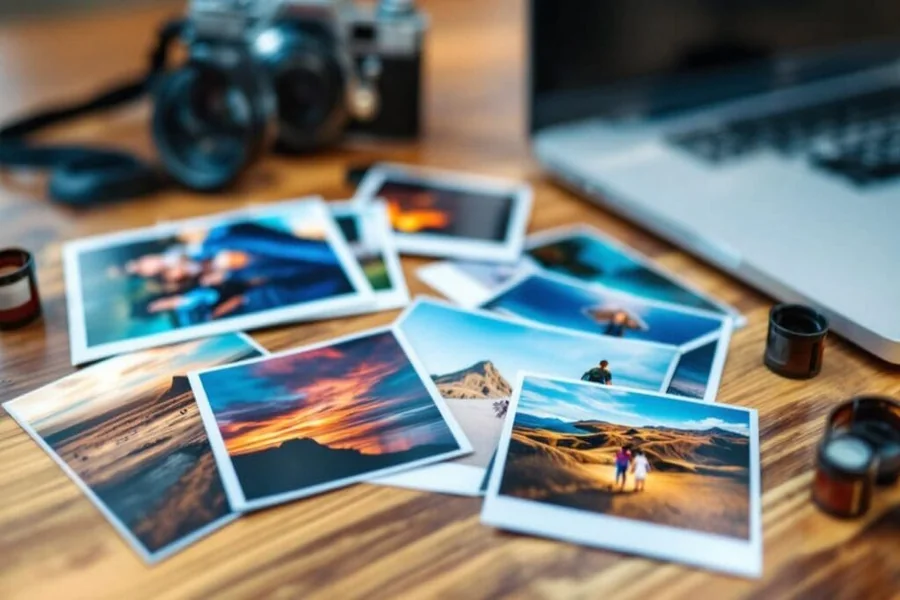
You probably take more photos than you know what to do with. Your phone fills up with birthdays, holidays, pets, outfits, concerts and small moments you were sure you would want to remember. Then most of those images disappear into a camera roll that you rarely scroll back far enough to revisit.
That does not mean your photos have become less important. It means the way you experience them has changed. When everything lives on a screen, even meaningful images can start to feel temporary. Printing a few gives you a different relationship with your own visual history. You start deciding which pictures deserve space in your real life.
Your Camera Roll Is Not the Same as a Collection
A camera roll rewards quantity. You can take ten versions of the same scene without thinking about storage or display. A physical collection asks you to edit.
That editing process can be surprisingly valuable. You have to look closely at your photographs, notice what still matters and decide what deserves to become an object. You might choose the imperfect group photo because it captures the mood better than the polished one. You might print a quiet street scene because it reminds you exactly how a trip felt.
Your choices turn a large archive into something more personal. Instead of depending on an algorithm to show you a memory from five years ago, you can place that memory on a wall, inside a book or on your desk.
Paper Changes the Way You See an Image
A photograph does not look identical on every surface. On your phone, brightness comes from the screen. On paper, the image depends on reflected light, paper tone, texture, ink and finish.
That is why the same photograph can feel different when printed on glossy, satin or matte stock. Gloss can make contrast and colour feel punchier, while matte surfaces can give portraits and softer scenes a quieter appearance. Fine art papers can add visible texture that becomes part of the image.
Weight matters too. A mid-weight matte photo stock can be around 176 gsm, while ordinary copy paper is often around 75 gsm. You feel that difference as soon as you pick up the print. A heavier sheet can make a photograph or small art print feel more deliberate and finished.
If you print at home, you also gain control over those choices. A specialist such as Red River Paper Company offers papers for photography, fine art, greeting cards, stickers and other inkjet projects, showing how much the surface itself can become part of the creative decision.
You Do Not Need to Print Everything
The easiest way to make photo printing feel like a chore is to decide that you need to rescue your entire camera roll. You do not.
Start with a small theme. You could print twelve images from one year, five photographs from a trip or a set of portraits that show how someone has changed over time. You could also build a seasonal habit and choose a handful of images every three months.
A smaller edit gives each image more attention. It also lets you experiment with formats without committing to a huge project. A 4-by-6 print can work for casual snapshots, while larger prints can give landscapes, fashion images or architectural photographs more visual impact.
Physical Photos Can Become Part of Your Space
Once you print an image, you can use it to shape the atmosphere of your home.
A single oversized photograph can become a focal point. A small grid can tell a story without needing matching frames. You can rotate prints on a shelf, clip them to a board or create a photo book that sits where you can actually reach it.
The goal is not to make your home look like a gallery. It is to let your own experiences become part of your surroundings. Your walls and shelves can hold evidence of where you have been, who you care about and what you notice.
A printed photo also does not need likes, comments or a caption. You can keep it simply because you want to see it.
Print Is Not a Replacement for Digital Backup
A physical photograph can make an image easier to enjoy, but you should still protect the original digital file. The Library of Congress recommends keeping copies of important digital material on at least two different storage media in separate physical locations. It also advises migrating saved files to current storage media about every five years.
You should think about storage conditions for prints as well. Heat, moisture and rapid changes in humidity can affect photographic materials over time. The Library of Congress notes that relative humidity fluctuations should ideally stay below 5 percent within a 24-hour period when preserving photographic prints.
You do not need museum-level storage for every snapshot. Keep valued prints away from damp spaces, direct sunlight and places where temperatures swing dramatically.
The Best Prints Give Your Photos a Second Life
You do not need to reject digital photography to appreciate physical prints. The two formats can serve different purposes.
Your phone is excellent for capturing, editing, sharing and storing thousands of images. A print asks you to slow down. It gives one image a size, texture and place. It can turn a photograph you forgot about into something you notice every day.
The most meaningful part of printing is the act of choosing. When you decide that one image deserves to exist beyond your screen, you give it another role in your life.
Your camera roll can hold almost everything. Your printed collection only needs to hold what you want to keep close.