
The Anatomy of an Iconic Accessory: Why Indie Artists and A-Listers Are Obsessed with Baker Boy Caps
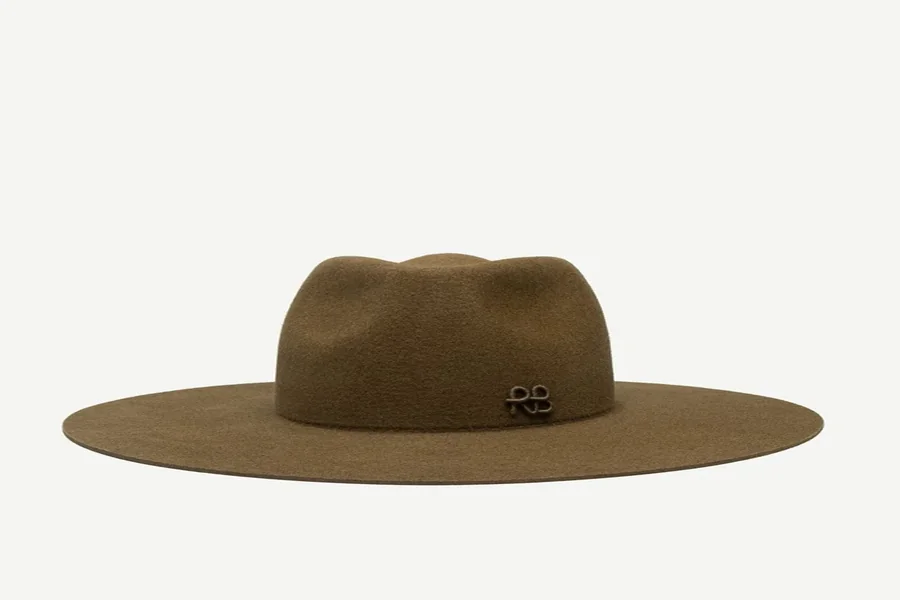
There are accessories that simply round out an outfit, and there are those that elevate it. The baker boy cap falls squarely into the latter category. Its short, rounded brim and distinctive volume above the forehead immediately create a silhouette that’s hard to confuse with a classic flat cap or baseball cap. It is precisely this distinctiveness that explains why this headwear, with its working-class heritage, regularly appears in the wardrobes of actors, musicians, and people in the fashion industry. Today, the newsboy cap is once again prominent among current hat trends. However, its popularity isn’t based solely on nostalgia.
From Street Practicality to a Fashion Statement
The history of this style is linked to Europe and North America in the late 19th and early 20th centuries. Various groups of workers wore these caps, including newspaper vendors, farmers, dockworkers, and artisans. The name “newsboy cap” stuck due to its association with the boys who sold newspapers on the streets. Meanwhile, the style wasn’t exclusively for children or strictly for laborers. Adult men wore it, and later it transitioned into casual and athletic wear.
This background is important for contemporary fashion. The baker boy cap does not have a sanitized history created specifically for the luxury sector. On the contrary, its character was forged off the runway. When a designer works with this shape today, they get a silhouette that already carries cultural baggage but is not tied to a single social class or aesthetic.
When classic shape meets modern luxury through material
The most interesting part of the baker boy cap’s contemporary evolution is that the same design can look completely different depending on the material. In particular, the leather baker boy cap brings the familiar shape into sharper, more structured territory. But this apparent harshness adds expressiveness. We can see this feature in Ruslan Baginskiy’s leather models, which are presented alongside versions made of cotton, wool, denim, and other materials. The brand also uses logo details, crystals, embroidery, and decorative elements. This variety shows that today’s baker boy cap is not just a retro look, but a staple that can be tailored to suit different styles of clothing. Wool emphasizes seasonality. Denim makes the silhouette more casual. Meanwhile, leather adds greater expressiveness to the hat.
Thus, the material determines not only the feel of the piece but also how it interacts with the rest of the wardrobe. This is one of the reasons why a single style can remain relevant for years.
Distinctive Shape
The classic baker boy cap differs from a flat cap primarily in its construction. It features a short, structured brim and a rounded, fuller crown, typically formed from eight panels. The shape creates a soft, voluminous silhouette around the head. The combination of softness and clean geometry makes this style visually interesting even without prints or decorative details.
Photogenic appeal
The voluminous crown creates a distinct silhouette in profile. The brim adds a horizontal line near the face. Thus, the cap can serve as a standout detail of an outfit without completely overshadowing it. For photography, on stage, or in a street-style shot, this is a huge plus. In other words, the accessory stands out even when the rest of the outfit remains understated.
For a musician or other public figure, the baker boy cap offers a practical benefit. It’s eye-catching, but not as overt as a stage costume. The cap can be worn with a T-shirt, a leather jacket, a suit, or a coat without altering its core purpose. This versatility is clearly evident in contemporary celebrity fashion. Public figures have already been spotted wearing baker boy caps, pairing them with both casual outfits and more statement pieces. In 2026, the trend gained attention once again, and Forbes specifically highlighted the role of Ukrainian designer Ruslan Baginskiy in popularizing the baker boy hat among contemporary pop stars.
Nostalgia, But Not Literal. The Anatomy of Versatility
This style allows you to draw on the past without fully recreating a historical costume. The cap might evoke the 1920s, working-class Europe, or even Y2K, but the rest of the outfit determines which specific context the viewer perceives. That’s why a modern baker boy cap can be either a black, structured style paired with a jacket and jeans, or a satin or crystal-embellished version that serves as a jewel-like accent.
The baker boy cap has a rare ability for a headpiece to strike a balance between functionality and ornamentation. The brim provides practical protection from the sun, while different materials allow the style to be adapted to the season. Lightweight fabrics like linen or denim are well-suited for warm weather. Wool and leather, on the other hand, add warmth during the colder months.
Equally important is its gender-neutral versatility. This freedom allows the cap to work equally well in both everyday outfits and editorial photo shoots.
A-listers continue to embrace the baker boy cap
Celebrity endorsement alone does not explain the enduring popularity of this cap. It’s simply that its shape allows celebrities to control the impression their look makes. It can make a simple outfit look more put-together and add a retro touch, or, conversely, create a contrast with modern clothing. Katie Holmes once paired a structured black version with a jacket and jeans. Meanwhile, Kate Middleton wore a tweed baker boy cap with a bomber jacket and jeans. In this sense, the baker boy cap doesn’t require a complicated look but leaves plenty of room for individuality. That’s why this style can work equally well in a fashion shoot, on stage, and in everyday wear.
Conclusion
The power of the baker boy cap lies not just in its recognizable shape, but in the many different stylistic roles it can play. Its iconic design has a history and practical origins, yet it’s neutral enough for each new generation to style it in its own way. For indie artists, it’s an opportunity to add a bold detail without being overly theatrical. For A-listers, it’s a simple way to make even a basic look more distinctive. And for everyday wear, it’s an accessory that can be functional and expressive at the same time.