
How to Choose Stone for an Outdoor Space That Looks Good and Lasts
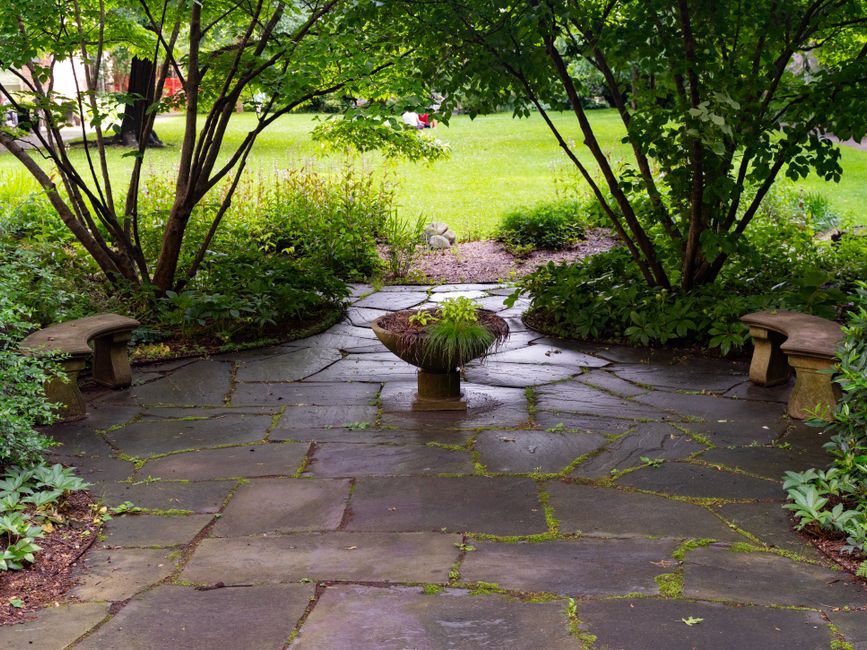
Your patio, walkway, or garden border does more than fill space. It shapes how your yard feels every time you step outside. If you live in a place with blazing summers, heavy rain, or big temperature swings, your material choices matter even more. Picking the right stone isn’t just about color. You’re balancing durability, maintenance, safety, and the overall style of your home, all at once.
Start With the Job the Stone Needs to Do
Before you fall for a certain color or texture, get clear on the stone’s role. A pool deck has very different demands than a decorative garden edge. Patios need comfort underfoot, walkways need traction, and retaining features need strength.
Think through practical questions first:
– Will people walk on it daily?
– Will it sit in direct sun for hours?
– Does the area collect water after rain?
– Do you want a smooth finished look or something more rustic?
A lot of expensive mistakes happen when you choose stone like paint. It’s not just visual. It’s structural, functional, and exposed to weather 24/7. The pretty slab that turns slick in rain or scorching in summer can become a very annoying design decision.
Consider Lueders for a Clean, Versatile Look
If you want a stone that feels classic without looking stiff, natural Lueder Stone is worth considering for patios, pathways, garden borders, and wall accents. It’s known for its clean lines, muted color range, and easy compatibility with both modern and traditional homes.
One reason homeowners and contractors like it is versatility. It can create a more tailored appearance than rougher stone, but it still has enough natural character to avoid looking flat or sterile. In practical terms, that means you can use it in a sleek courtyard or alongside a more rustic landscape plan without visual conflict.
It also works well when you want different outdoor features to feel connected. Using one stone across steps, seating walls, and paving can make the entire yard look intentional rather than pieced together over three different weekends and one regrettable clearance sale.
Compare Natural Stone With Concrete and Pavers
You’ve got options, and each comes with trade-offs. Concrete is budget-friendly and flexible, but it can crack and often looks less distinctive over time. Manufactured pavers are reliable and easier to replace individually, though they sometimes miss that high-end, organic character people want.
Natural stone usually wins on visual depth. Variation in tone, texture, and edge detail gives it a less manufactured appearance. It tends to age with more charm too, which is a rare sentence in home improvement.
That said, not every natural stone performs the same way. Some are denser, some stay cooler, some weather more evenly. Your climate, budget, and design goals should decide the material, not a five-second social media screenshot that made everything look perfect.
Pay Attention to Texture, Thickness, and Heat
Surface texture affects more than appearance. It changes how safe the space feels when wet and how comfortable it is under your shoes or bare feet. A polished surface may look sharp, but it can create traction issues outdoors.
Thickness matters too. Thicker stone often handles heavier use better, especially on driveways or busy gathering spaces. For pathways and patios, the right base installation is just as important as the stone itself. Great materials installed badly still fail. There’s no magic there.
If your yard gets intense sun, check heat retention. Some stones absorb and hold heat more aggressively than others. Lighter tones often stay more comfortable. That can make a real difference if you want a patio you’ll actually use in July instead of one you admire from indoors.
Match the Stone to Your Home’s Style
The best outdoor stone usually feels like it belongs to the house. A heavily textured, irregular flagstone can look great with a cottage or ranch-style property. A more linear, consistent stone often fits contemporary or transitional homes better.
Take a few minutes to look at your exterior materials:
– Brick tone
– Siding color
– Roof shade
– Trim color
– Existing hardscape features
You don’t need a perfect match, but you do want visual harmony. If your home has warm undertones, a very cool gray stone may feel off. If everything on the house is crisp and minimal, highly irregular stone can create design tension.
This part is less about rules and more about restraint. When every surface tries to be the star, the yard starts to look busy. Let the stone support the architecture instead of competing with it.
Think About Maintenance Before You Commit
Some stone choices ask for very little after installation. Others need sealing, more frequent cleaning, or extra attention in damp or shaded areas. If you know you’re not going to keep up with a high-maintenance material, choose accordingly. Honesty beats ambition every time.
Ask suppliers or installers about:
– Sealing requirements
– Stain resistance
– Moss or algae buildup
– Freeze-thaw performance
– Repair or replacement difficulty
Also think about dirt visibility. Very light stone can show stains, while darker surfaces may highlight dust and mineral marks. There’s no universally perfect option, only the one that fits how you actually live.
A smart outdoor space should look good on installation day and still make sense two years later. The right stone helps you get both. Focus on function first, appearance second, and long-term care throughout the process. That approach usually leads to an outdoor space you’ll enjoy instead of one that quietly turns into a maintenance side quest.