
80s Men Fashion Trends That Still Look Good in 2025
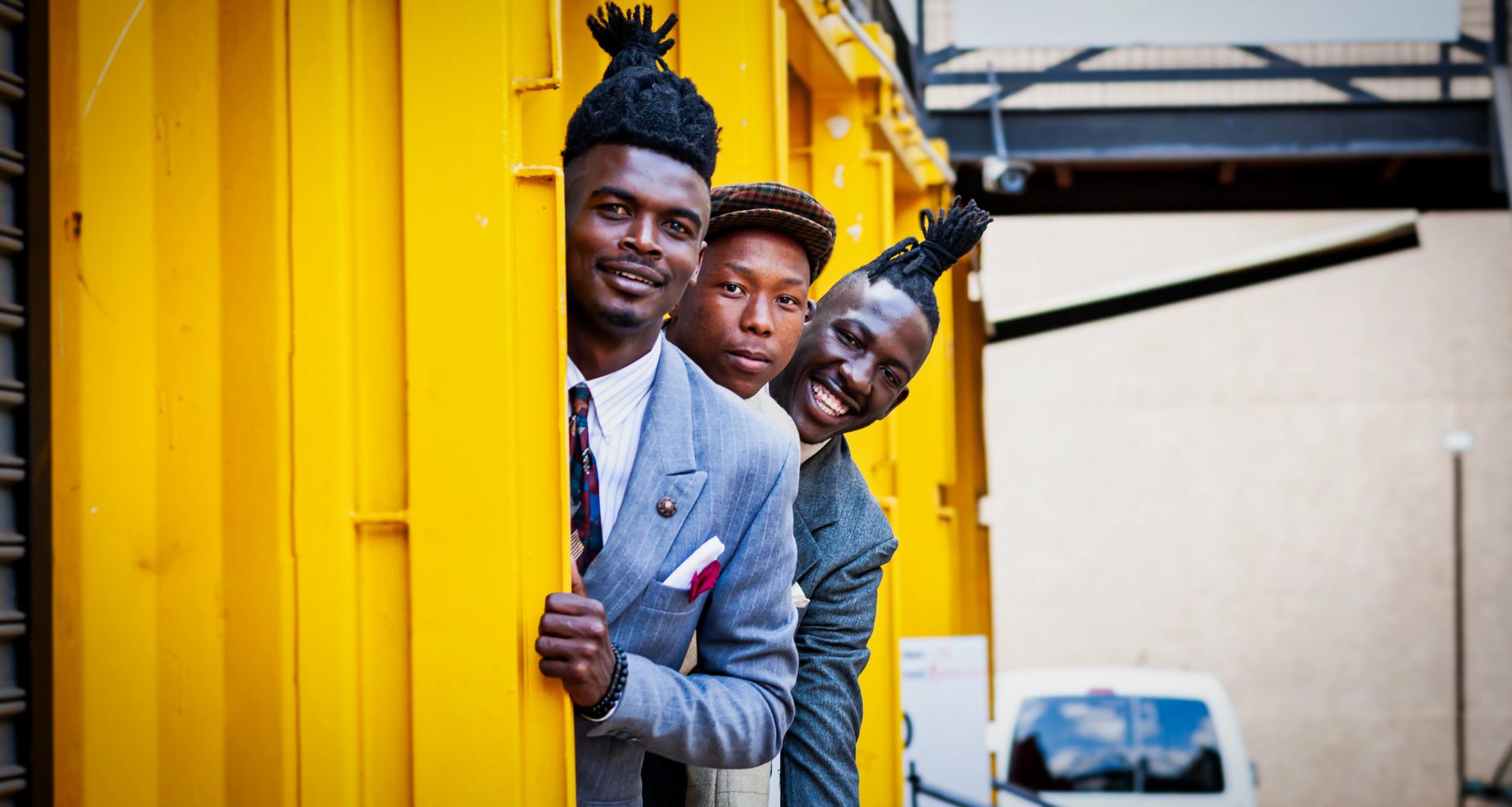
80s men fashion is one of those eras people dismiss as too loud, then quietly steal from season after season. The decade wasn’t a single aesthetic — it was at least three or four distinct subcultures competing for attention, and understanding that split makes the whole thing a lot easier to pull from without looking like you raided a costume closet.
Two things drove the decade’s wardrobe: money and music. Corporate culture was booming, hip-hop was building its first commercial wave, and MTV was six months old at the start of 1981. Each of those forces produced a different silhouette, a different price point, and a different set of rules, which is why the 80s can feel contradictory when you try to summarize it.
The pieces that came out of that collision are worth knowing, not for nostalgia, but because they keep showing up on contemporary runways in only slightly modified form. Here’s what was actually happening.
Power Suits and Shoulder Pads
The padded-shoulder suit is probably the most recognizable entry in 80s men fashion, and it peaked sharply between 1984 and 1986. This wasn’t gradual drift. It was a direct response to Reagan-era corporate culture and films like Wall Street, which told men that physical width read as authority. Tailors were adding shoulder padding that could add two inches per side to a jacket’s frame.
Miami Vice debuted in September 1984 and immediately complicated that look. Don Johnson’s unstructured linen blazer worn over a pastel T-shirt, no tie, no socks, essentially rewrote business-casual for men overnight. Giorgio Armani, who supplied much of the show’s wardrobe, reportedly saw US sales climb 30% within a year of the premiere. A suit could signal power without the stiffness, which was genuinely new at the time.
If you’re buying a vintage padded-shoulder blazer today, expect to pay anywhere from $30 at a thrift store to $200 or more for a named Italian brand in good condition. The key to wearing one now is keeping everything else narrow: slim trousers, plain shirt, no other volume.
Denim Jeans and Casual Staples
While suits dominated offices, denim owned everything else. Levi’s 501 jeans had sold 50 million pairs globally by 1985, which is a number worth sitting with — that’s roughly one pair for every five people in the United States at the time. The straight-leg, high-rise, button-fly silhouette was the default casual option for men across almost every subculture.
Ray-Ban Wayfarers followed a similar trajectory. After Tom Cruise wore them in Risky Business in 1983, sales jumped 500% in the following 18 months. Ray-Ban reportedly paid around $50,000 for that placement, making it one of the most effective product investments in fashion history. Wayfarers still retail today at roughly $160–$180, and they haven’t fundamentally changed shape since the original 1952 design.
The Members Only jacket filled the gap between suit jacket and sweatshirt. Retailing at $55–$65 when new (around $170–$200 in today’s money), it came in over 20 colors and was genuinely ubiquitous from about 1982 to 1987. Lacoste polo shirts occupied a similar middle ground, and the brand had grown to a $400 million business by the middle of the decade, largely on the strength of men’s casual wear.
Streetwear and Music-Driven Looks
Hip-hop’s influence on 80s men fashion is hard to overstate, partly because it happened so fast. MC Hammer’s 1983 touring brought parachute pants to mainstream attention: those wide-legged, tapered-at-the-ankle trousers made from lightweight nylon. They cost as little as $15 at discount retailers, which made them genuinely accessible in a way that Armani linen blazers were not.
Run-DMC’s partnership with Adidas in 1986 is usually cited as the first major sneaker endorsement in hip-hop, and it changed how sportswear companies marketed to young men entirely. The look was deliberately minimal: shell-toe Adidas Superstars, black tracksuits, chunky gold chains. No laces in the shoes was a deliberate aesthetic choice, not carelessness.
Heavy metal contributed its own strand, running parallel and largely separate: band T-shirts, leather jackets, tight jeans, and boots. That look owed more to 70s rock than anything contemporary, but it flourished commercially throughout the decade and still maps almost directly onto certain corners of current men’s fashion.
Key Pieces Worth Reviving Now
Certain items from 80s men fashion translate cleanly into a modern wardrobe with almost no adjustment. The Levi’s 501 is the obvious starting point, since it never really left. A new pair runs $70–$90, while vintage deadstock pairs in good condition can exceed $300 on resale platforms. The fit already reads as contemporary because slim-straight has been fashion-forward for about a decade.
Unstructured blazers in linen or a linen blend are worth considering if you want something Miami Vice-adjacent without the Halloween-costume read. Stick to muted colors: stone, pale blue, or tan rather than the saturated pastels that photograph well in retrospectives but wear awkwardly in person. Pair one over a plain white crewneck T-shirt and you’re close to what Armani was actually proposing in 1984.
A Members Only-style bomber, a polo shirt in a solid color, and a pair of Wayfarers round out the practical picks, and none of them require a costume-level commitment. The trick with 80s men fashion is choosing one reference at a time rather than stacking them. The decade looked maximalist, but the individual pieces were often quite simple.
FAQs
What did men wear in the 80s?
Men in the 80s wore a wide range of looks depending on their subculture: padded-shoulder suits and linen blazers in corporate and TV-influenced circles, Levi’s 501 jeans and Members Only jackets in casual settings, and tracksuits with sneakers in hip-hop communities. The decade had no single uniform, which is part of why it remains a rich source of reference for contemporary fashion.
How to dress in 80s style as a man today?
Pick one specific reference rather than blending several — an unstructured blazer over a T-shirt, or a pair of 501s with a polo and Wayfarers, reads as intentional rather than costume-y. Avoid the most exaggerated elements like extremely wide shoulder pads or full parachute pants unless you want the look to read as theatrical. Thrift stores and resale platforms like Depop or eBay are the most cost-effective places to find original pieces.
What colors were popular in 80s men fashion?
Pastels were dominant in the Miami Vice-influenced segment of the decade: pale pink, mint green, light blue, and cream. Street and hip-hop looks leaned heavily on black and white with bold primary accents, while power suits tended toward navy, charcoal, and medium grey. Neon was present in sportswear and club contexts but was far less universal than retrospectives usually suggest.
For more pieces like this one, browse the rest of our Fashion coverage.