
1960s Fashion Was Really Two Eras Disguised as One
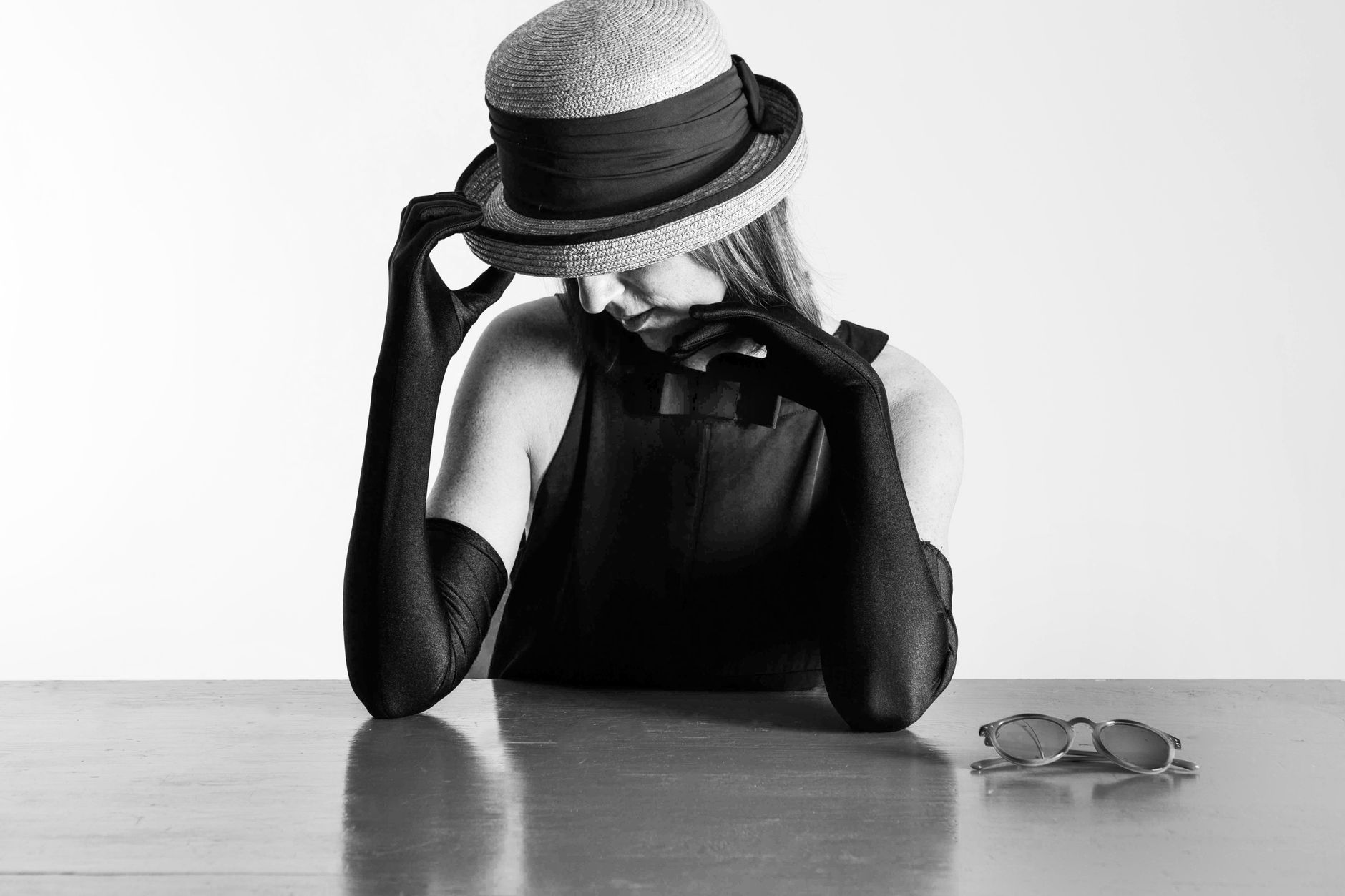
Most people picture 1960’s fashion as one unified era, but anyone who’s actually studied the decade knows it was practically two separate centuries crammed into ten years. The early 60s looked back at postwar elegance while the late 60s blew up everything those earlier years stood for. What drove that fracture wasn’t just pop culture or rock music — it was Cold War anxiety, a space race, and a generation that genuinely didn’t want to dress like its parents.
The political atmosphere shaped the clothes in ways that are easy to miss. When Sputnik launched in 1957, it didn’t just terrify governments; it handed designers a new aesthetic vocabulary. By the early 1960s, that satellite orbiting overhead was already influencing what showed up on runways in Paris and London. Understanding that chain of events is the only way to make sense of why a decade’s fashion looks so internally contradictory.
Early 60s fashion still wore the 50s
Christian Dior’s A-line silhouette, which had defined women’s fashion since 1947, was still the dominant shape heading into the new decade and remained so until roughly 1963. Fitted bodices, nipped waists, and skirts that fell at or below the knee were the norm, communicating respectability and feminine restraint. Jackie Kennedy, who entered the White House in 1961, became the era’s most photographed example of this aesthetic, wearing wool shift dresses and tailored Oleg Cassini suits that said refinement rather than rebellion.
Men’s fashion in these years was equally conservative. A well-cut suit with narrow lapels and a thin tie was the default for anyone who wanted to project seriousness. The three-button suit dominated American offices, and most middle-class men wore hats outdoors without thinking about it. It was, in most respects, the 1950s with slightly cleaner lines.
What’s worth noting is how class-bound these early-decade styles were. Couture still set the terms, and most women weren’t shopping designer originals, but they were sewing or buying clothes that imitated couture silhouettes because there was no credible alternative yet. That alternative was about to arrive from an unlikely address.
Mod London and the Space Age shift
By 1964, Carnaby Street in London had become the commercial center of Mod fashion, a youth-driven aesthetic that favored geometric cuts, bold color blocks, and a kind of deliberate futurism. The teenagers shopping there weren’t looking to Paris for permission. Mary Quant, working out of her King’s Road boutique, introduced the miniskirt commercially in 1965 and made it the decade’s defining garment. It wasn’t just a hemline change; it was a statement that young women’s bodies belonged to themselves.
The Space Age movement accelerated this shift. André Courrèges was designing structured shift dresses in white and silver that looked like something an astronaut might wear to a dinner party. A Courrèges piece in 1965 retailed for around $200 to $500 (roughly $2,000 in today’s money), enormously influential on the mass-market versions that followed within a season or two. Paco Rabanne was constructing dresses from metal discs, and Yves Saint Laurent debuted his Le Smoking tuxedo suit in 1966, putting women formally in menswear and making the point that power dressing didn’t require a skirt at all.
These designers were consciously responding to the space race. When NASA launched its first manned missions, the cultural appetite for anything that looked modern, geometric, and machine-made intensified. 1960’s fashion in this middle period was essentially optimistic futurism worn on the body.
Counterculture splits the decade
Then Vietnam escalated, and everything changed in tone. The same generation that had embraced Mod’s crisp geometry began rejecting manufactured style altogether. By 1967, the counterculture was dressing in direct opposition to both couture and corporate Mod: peasant blouses, fringed leather, embroidered denim, and flower prints sourced from Indian textiles or made at home. And this wasn’t accidental; it was a political act.
Woodstock in August 1969 made that aesthetic visible at scale. Around 400,000 people attended, and the photographs from those three days look nothing like the magazine spreads from five years earlier. Bare feet, bell-bottoms, macramé, and tie-dye had replaced geometric silhouettes and go-go boots. The people in those fields weren’t just choosing different clothes; they were refusing the values that earlier-decade fashion had encoded.
The commercial fashion industry tried to absorb the counterculture look almost immediately, with department stores selling “hippie” styles within months, but the sincerity was gone in translation. What remained was the silhouette: wide-leg trousers and peasant blouses would influence mainstream fashion well into the 1970s.
1960s fashion’s lasting design legacy
1960’s fashion left behind design principles that keep reappearing in contemporary collections. The miniskirt returns virtually every decade. The tuxedo suit for women, which Saint Laurent made respectable in 1966, is now so standard that it barely registers as a statement. Space Age minimalism shows up whenever a designer wants to signal modernity, and you can trace a direct line from Courrèges shifts to the structural white pieces that appear in contemporary minimalist collections.
But beyond specific garments, the decade permanently changed who got to set fashion’s terms. Before the 1960s, Paris couture dictated; after, youth culture, street style, and political movements all became legitimate sources. That democratization is probably the decade’s most durable contribution to how clothes are made and sold today.
FAQs
What did women wear in the early 1960s?
Early 1960s women’s fashion was still shaped by the postwar Dior silhouette, with fitted waists, modest hemlines, and structured tailoring throughout. Wool skirt suits, sheath dresses, and low kitten heels were standard for day wear, with full-skirted evening gowns for formal occasions. Jackie Kennedy’s wardrobe is the clearest surviving example of what polished early-decade style looked like.
Who invented the miniskirt and when?
Mary Quant is most often credited with commercializing the miniskirt in 1965 through her London boutiques, though André Courrèges was producing short hemlines at roughly the same time. The garment spread globally within a year or two, driven partly by Carnaby Street’s influence and partly by Twiggy’s visibility as a model. Both designers contributed to its mainstream acceptance, and the debate over who came first has never been fully settled.
How did 1960s fashion influence style today?
Several 1960’s fashion innovations are now simply standard: the women’s tuxedo suit, the mini hemline, and geometric color-block prints all trace directly back to this decade. The counterculture’s embrace of non-Western textiles and handmade clothing also planted seeds for the slow fashion and vintage movements that are prominent today. Perhaps most importantly, the 60s established that youth culture and street style could set trends rather than simply follow them.
For more pieces like this one, browse the rest of our Fashion coverage.