
How Nurses Support Communities During Major Emergencies
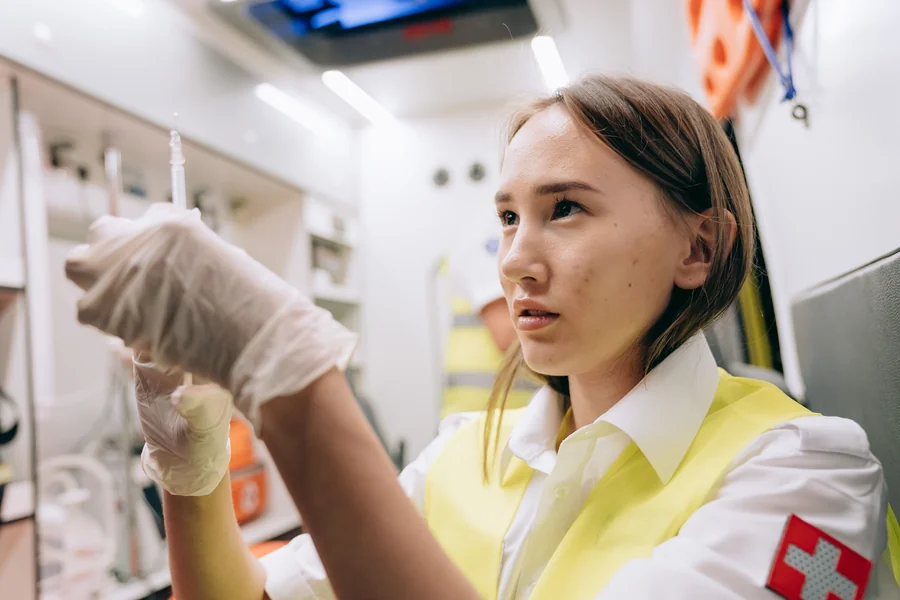
When an earthquake hits, or a flood, or a chemical release at some plant on the edge of town, the first health worker most residents meet is rarely a doctor. It is a nurse. Nurses live in the same neighborhoods as everyone else; many are off shift when the thing happens, yet they turn up anyway at shelters, church halls, school gyms, wherever people end up. That closeness counts for more than any plan on paper. A hospital can be cut off by water for two days. A nurse living four streets over cannot be.
Training helps
Most of what nurses do in the first hours is triage, and it isn’t glamorous. Nobody planned for the scale, usually. So it is sorting people by urgency with almost no equipment, deciding who waits and who can’t. Systems like START score breathing and circulation, plus how alert the person is, in about a minute per patient, because nobody thinks clearly when forty people are bleeding at once. Nurses run these systems in the field all the time.
For readers exploring disaster nursing, the University of North Carolina Wilmington (UNCW) provides educational context on how nurses contribute during emergencies that strain or overwhelm normal healthcare systems.
Beyond the injury
Wounds get the attention. Yet disasters produce a second wave of need that is quieter and lasts longer. Dialysis patients miss sessions. Insulin spoils without refrigeration; a man on home oxygen runs out on day two. Pregnant women go into labor in shelters. Nurses track these people down, often door to door, using handwritten lists because the phone networks are dead. Public health nurses in particular know which households have a bedridden parent or a child with severe asthma, and that knowledge isn’t in any database that still works after a storm.
Chronic disease doesn’t pause for a crisis.
Shelters are where this gets concrete. A gym holding several hundred people turns into a small town overnight, with the health problems of a small town – respiratory infections spreading fast in close quarters, diarrhea from contaminated water, wounds going septic because nobody cleaned them properly. Nurses set up basic surveillance: who is coughing, who has a fever, how many cases today versus yesterday. They isolate the sick where possible. They teach hand hygiene, safe water handling, how to keep food from turning. Outbreaks after disasters are often less about exotic germs than about crowding and broken sanitation, so simple measures done consistently prevent a lot. Cholera and measles have both followed displacement in past emergencies; nurses are usually the ones who catch the first cases.
Clear communication builds trust
Communication is part of the job too, maybe a bigger part than people assume. Rumors move faster than aid. Nurses, because residents already trust them, can correct bad information on the spot – no, the water isn’t safe yet; yes, the clinic is open; no, that pill is not the same as the one you take. They explain evacuation orders in plain language, translate when they can, find an interpreter when they can’t. Culture matters here. Someone who won’t leave home because of livestock, or a woman who refuses examination by a male responder, needs a person who listens before insisting. Nurses are trained to do exactly that.
Then there’s distribution. During large events nurses staff points of dispensing, handing out antibiotics or vaccines to thousands of people in a day; COVID-19 vaccination drives showed how much throughput a trained nursing workforce can manage once the logistics are sorted. Tetanus shots after floods, too. Repetitive work, but it turns a stockpile of drugs into actual protection.
Mental strain and the long recovery
Psychological first aid gets less coverage than tourniquets, but nurses deliver it constantly. Sitting with a woman who lost her house. Letting a child draw. Not offering false comfort. Most people react to disaster with shock, sleeplessness, anger, guilt, and most of them recover with basic support, so the goal is stabilizing rather than treating. Nurses also watch for the ones who won’t recover unaided – persistent flashbacks, withdrawal, talk of not wanting to be here – and refer them onward. Responders are not immune either. Nurses who worked through a disaster often carry it for years; good teams check on each other, the ones that don’t lose people.
Recovery drags
Months later the cameras are gone, but clinics still see the fallout: untreated hypertension from lost prescriptions, wounds that healed badly, depression, kids behind on vaccines. Nurses run mobile clinics, restart immunization drives, help people replace medications, keep records going when the paper ones washed away. They also feed information upward, what the community actually needs, to health departments that would otherwise guess. Older adults and people with disabilities fare worst in most events, since evacuation routes and shelters are rarely built with them in mind, so nurses end up advocating at local hearings about shelter conditions or gaps in planning for residents without cars. They have seen the failures directly.
Preparation is most of the work, really. Before anything happens, nurses in many places help write emergency plans, run drills with fire departments and schools, teach families to keep a week’s supply of medicine and water, and maintain registries of residents who need extra help. Under the Incident Command System, widely used in the United States, nurses slot into defined roles, so a stranger from another county can take over a shift without a long briefing. Organizations such as the International Council of Nurses and the Red Cross also push for disaster competencies in basic nursing education; the argument is simple – nurses will be there anyway, better to have them ready.
Limits exist. Nurses get hurt, run short of supplies, work twenty hours straight. Some countries barely fund this preparation at all. But the pattern holds across events, from hurricanes to earthquakes to pandemic surges: communities with nurses embedded in them cope better, recover faster, lose fewer of the people who were already vulnerable. That isn’t sentiment. It is what response experience keeps suggesting, and it argues for treating nurses as core emergency infrastructure rather than an afterthought once the trucks arrive.