A Moving Lookbook for an Independent Designer’s Autumn Collection with Kling 4.0
An independent designer usually launches an autumn collection the same way: a rail of garments, a borrowed studio corner, a photographer friend, and a folder of still photographs that took a whole weekend to produce. The photographs are good. They show the coat, the knit, the skirt, each piece neat against a plain wall. Stills can establish colours, silhouettes and styling cues, but they do not demonstrate movement. Actual drape, fit and the weight of a sleeve need genuine footage or an in-person view; generated motion can only explore a visual mood.
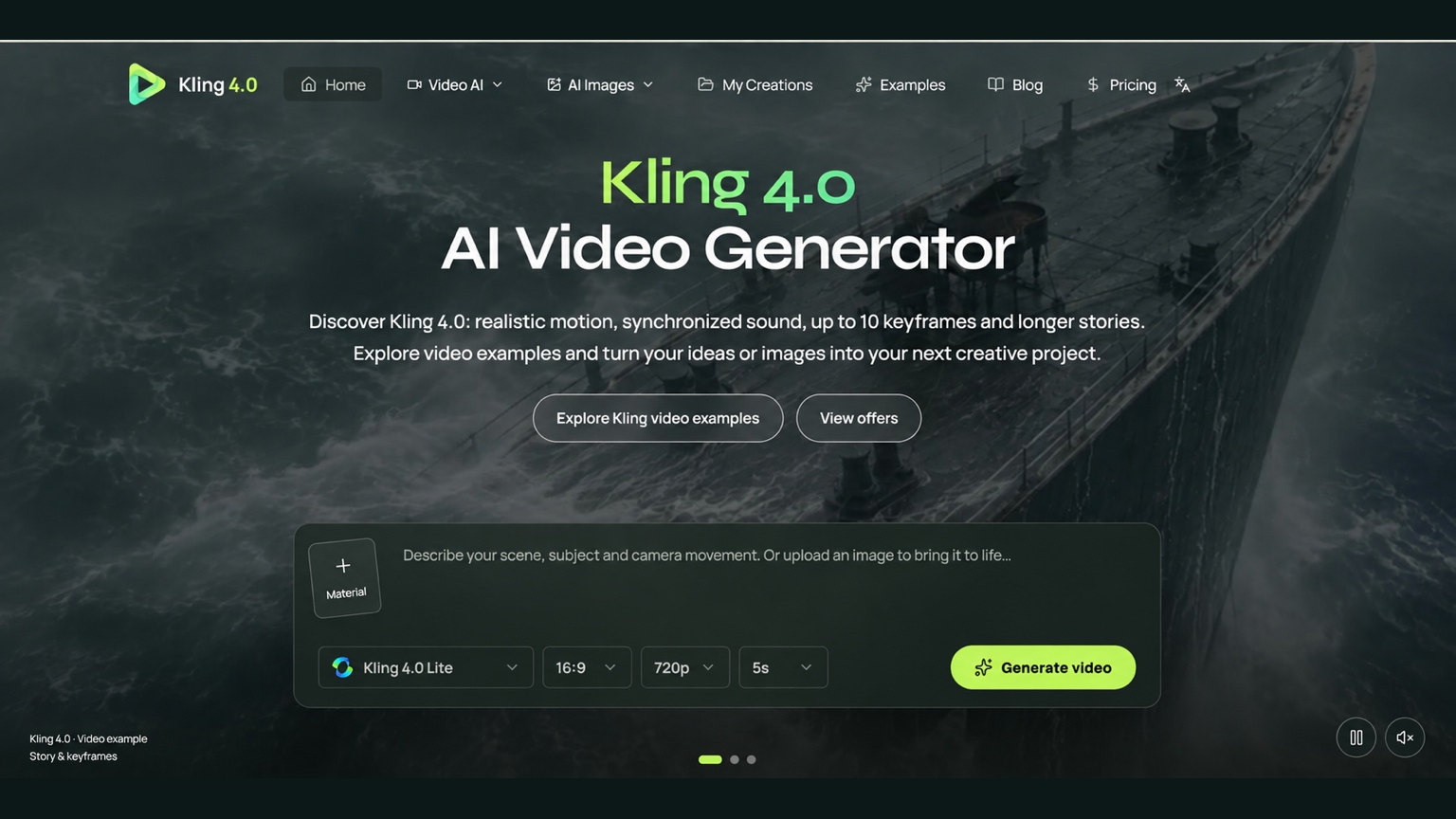
A moving concept lookbook can organise that mood into a short sequence built from authorised photographs. It can explore pacing and transitions, while real garment footage remains necessary for any demonstration of movement or fit. This guide walks through how to plan one for an autumn collection, how to keep it honest, and how to reuse the same method later for a holiday collection. The storyboard stage is where Kling 4.0 earns its place, as the tool for the first mood storyboard, and new accounts receive free credits on sign-up, enough to generate one video, so that first pass can be tested before any budget is committed.
Start with the creative cues already in the collection
Before generating anything, write down what the collection is actually about. Not the marketing version, the real one. Maybe the palette came from wet pavement and rust. Maybe every piece is cut loose because the designer wanted clothes that layer without fighting each other. Maybe there is one repeated detail, a horn button, a raw edge, a particular check, that ties the rail together.
List three or four of these cues on paper. They become the direction for every clip: the pace of movement, the backgrounds worth suggesting, the order in which pieces appear. A fashion lookbook video built from real cues feels like the collection. One built from generic fashion imagery feels like an advertisement for somebody else’s clothes, and readers of an independent label can tell the difference quickly.
Choose which stills earn motion
You do not need to animate the whole rail. Pick the pieces that carry the story: the coat that anchors the collection, the knit that shows the texture best, the outfit that demonstrates how the layers work together. For each chosen piece, you need authorised stills, meaning photographs you took yourself or have clear permission to use. Front and three-quarter views are the most useful, because motion generated from a single flat angle has little to work with.
Sequence the stills in the order a person would get dressed or walk through the collection: base layer first, then the pieces that build on it, finishing with the strongest full look. This gives the finished video a quiet narrative. It also produces the raw material for autumn collection motion that feels deliberate rather than random, because each clip hands over to the next the way outfits do in a real fitting.
Build a mood storyboard first, not the final video
The most common mistake is generating finished clips straight away and hoping they agree with each other. Instead, make a first mood storyboard: a rough pass that tests pace, order and transitions before you commit time to polishing anything.
Work in Kling 4.0 for this first pass. You feed it the authorised stills and simple written directions drawn from your cue list, such as a slow turn, a short walk toward camera, or a close pass across the fabric. Judge that first pass on three things only: does the movement suit the garment, do the colours stay true to the photographs, and does the sequence still read as one collection? If a clip fails those tests, change the direction or the still, not the garment.
Keep the motion honest
Generated movement is a presentation aid, and it has limits that matter in fashion. Software can suggest how a skirt might swing, but it cannot prove how the actual skirt drapes, fits or behaves on a body. Treat every clip accordingly:
- Label generated concept frames on screen as AI-generated lookbook illustrations. Never present a concept frame as product photography. If a shot was generated or heavily constructed, it belongs in the lookbook film, not in the product listing where a customer checks what they are buying.
- Do not smooth away the real character of a fabric. If the linen creases, let it crease. A clip that makes every material look like silk is misleading about every piece.
- Do not imply endorsement. A generated scene is not a celebrity wearing your label, a magazine featuring your label, or a customer review, and captions must never suggest otherwise.
- Keep at least one true still beside the film wherever it is published, so viewers can compare the moving version with the garment as photographed.
Honesty here is more than ethics. Independent labels trade on trust and closeness to the maker. An overstated lookbook risks giving buyers the wrong expectations about the garment.
Pair captions with the designer’s own notes
A moving lookbook should sound like the person who made the clothes. Instead of polished sales copy, take captions from the designer’s working notes: why the cuff is deep, what the check reminded her of, which piece was cut from the last of a fabric and will not be repeated. Short captions under each clip work well, two lines at most, written the way the designer would explain the piece across the rail in the studio.
This gives stockists and press something quotable that is genuinely from the source. If the designer hates writing, record her talking through the rail for ten minutes and transcribe the useful sentences. The words are already there; they just were not written down.
Extend the same method to the holiday collection
When the holiday pieces arrive, resist starting from zero. The workflow transfers directly. Keep the same structure: cue list first, a small set of authorised stills, storyboard pass, honest captions. Change what the season changes. Holiday garments usually involve evening light, richer surfaces and pieces worn for occasions rather than every day, so the cue list will point to slower movement, closer framing and warmer backgrounds.
Reuse the caption rhythm and the sequencing logic, and the two films will feel like chapters of one label rather than unrelated productions. That consistency can help present a small rail of clothes as a coherent body of work, without implying a measured commercial return.
Plan the autumn film around the clothes you actually made, keep the generated motion in its proper place as a storyboard and presentation tool, and let the designer’s own words carry the story. Do that, and a collection photographed in a borrowed studio corner can still arrive in front of buyers moving, breathing and unmistakably itself.