
Can I Fold A Check Safely Without Causing Problems?
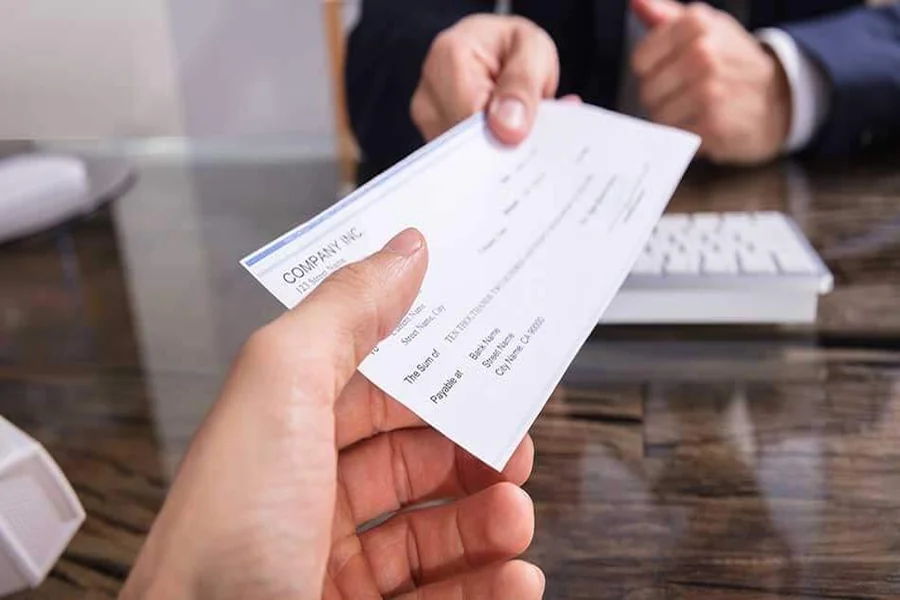
The answer is, yes, you can fold a check. Actually, a good number of individuals could fold checks on a regular basis, more so when they use envelopes to send the bills. Checks are normally written on hard paper which is capable of withstanding regular handling such as bending. But being able to fold a check does not always mean that you must do it in a haphazard manner. The manner in which you fold it is more important than the folding.
Check clearing at banks is done using machines and therefore it is important to ensure key areas are maintained. It is possible that folding on any significant areas (e.g., routing number, account number, or signature line) may lead to problems. Although the current scanning technology is pretty superb, over-creasing or damage still may cause delays or rejection.
Generally, it is safe to do a folding of a check but it is best done in a proper manner, to avoid any complications during the processing.
The reason people that fold checks are in the first place
There are real-life reasons why it is so popular to fold a check. The most apparent one is convenience. Normally the size of the standard envelopes is less than a complete check and one can therefore fold them and fit them in without increasing the size of the envelope.
The other reason is privacy. Check folding can be used to disguise confidential information like account number or by covering the amount of the payment. This provides some level of security particularly in mailing checks.
Also, when attaching checks, businesses and individuals usually roll them up when providing them along with the documentary, invoices, or letter. It just makes the presentation smaller and trim.
Although these are good reasons, they also bring out the point of taking time to fold checks as opposed to the practice of checking the mail at random.
Tutorial: How to Fold a Check
Whenever you are about to fold a check, how to do it properly may avoid the possible issues. The most secure way is to arrange it in natural lines that do not include vital information. Most checks are created in such a manner as to provide adequate blank space to enable folding without specifying key information.
Folding the check into thirds is mostly done. This is effective when using regular envelopes and makes the significant numbers on the bottom less disturbed. Alternatively, one can have a single horizontal fold that does not go over the MICR line (the line of numbers on the bottom of the check).
No sharp, repeated folds. Writing on the same spot several times may result into the weakening of the paper and difficulty in reading the check by machines. Also, do not crumple a check, it can lead to severe processing errors.
Folding strategically and compactly minimizes the chances of delays or problems.
In which you should avoid folding a check
Whereas normal practice is to fold, there are some occasions that it is preferable that a check should not be folded at all. To illustrate, when you are cashing a cheque with a mobile banking application, a flat cheque can be kept in order to have a clear image when taking the photo.
Large or high-value checks ought to be dealt with more carefully as well. When this happens, it is also advisable to use an oversized envelope and to leave the check unfolded. This reduces possibilities of damage or misinterpretation during processing.
In the event that the check is already delicate, say a check printed on some thin paper, or one that is slightly torn, folding may be disastrous. It is best to make it flat as it can be in such instances.
Finally, certain businesses or organizations might also direct that checks not be folded particularly when sending them along with official forms. Always obey any instructions given.
Does Folding Have an Impact on Check Processing?
The current banking networks are made in the way that they would accommodate minor tears and wear (such as folds). The majority of the checks pass through the high-speed scanners where the information on the check is read, most importantly the MICR line on the lower part. The check is supposed to be processed without challenges as long as this line is clear and intact.
But deep creases or folds directly over detail can sometimes cause problems with scanning. This could lead to the rejection of the check or manual review, which may take time to process.
Also worthy to note is that multiple folding may make the check appear tattered thereby causing concern in very uncommon instances. This does not necessarily invalidate the check, but may result in further questioning.
In general, the occasional and careful folding can hardly be problematic but excessive or negligent folding can.
Tips for Mailing Checks Safely
When you are going to send a check in an envelope, folding the check well is not the only step to ensure the security of the check. Always put the check in something covering it, e.g. a letter, or document, so that it is not quite so conspicuous when the envelope is opened.
Use a safe envelope and use this envelope well. To gain extra protection, it is recommended to use a security envelope in which people cannot view what is inside. In case of important or large amount of check, certified or tracked mail can be used to ensure peace of mind.
Do not write any sensitive information on the envelope. This is also to ensure that the check is filled properly then mailed otherwise it may take longer when the recipient gets it.
These precautions help to make sure that your check is received safely, and that it is cleared without any problems.
Read More: Dollar General Muir Mi Store Guide And Shopping Tips
Folded Facts Folding Myths about checks
Folding checks have some commonly believed misconceptions that can lead to unwarranted concern. There is a myth that putting away checks in the pocket renders it worthless. This is not true. A check can even be in folded form so long as all the necessary information is not lost and is readable.
The other myth is that all folded checks will be rejected by the banks. As a matter of fact, banks handle folded checks on a regular basis. Only when the check is spoilt or vital information is smeared can there be problems.
Other individuals also engage the view that by folding a check, the chances of committing fraud are heightened. Although the folding in itself does not lead to a violation, it can add extra risks when it is not handled correctly or mailed unprotected. The trick is to take care of checks securely either folded or not.
Knowing these myths can enable you deal with checks more confidently and less perplexing.
FAQs
Can I fold a check before mailing it?
Yes, you can fold a check before mailing it. Just make sure the fold does not damage or cover important details like the numbers at the bottom.
Is it bad to fold a check multiple times?
Folding a check multiple times can weaken the paper and create deep creases. It’s best to limit folding to one or two neat folds.
Will a bank accept a folded check?
Yes, banks accept folded checks as long as the information is clear and the check is not damaged.
Can folding a check affect mobile deposit?
It can. A heavily creased check may not photograph well, which could cause issues with mobile deposit apps.
Should I avoid folding high-value checks?
It’s a good idea to avoid folding high-value checks and instead use a larger envelope to keep them flat and secure.
Does folding hide sensitive information on a check?
Folding can help conceal details slightly, but it should not be relied on as a primary security measure.