
Copenhagen Fashion Week Brings Sustainability and Style Together
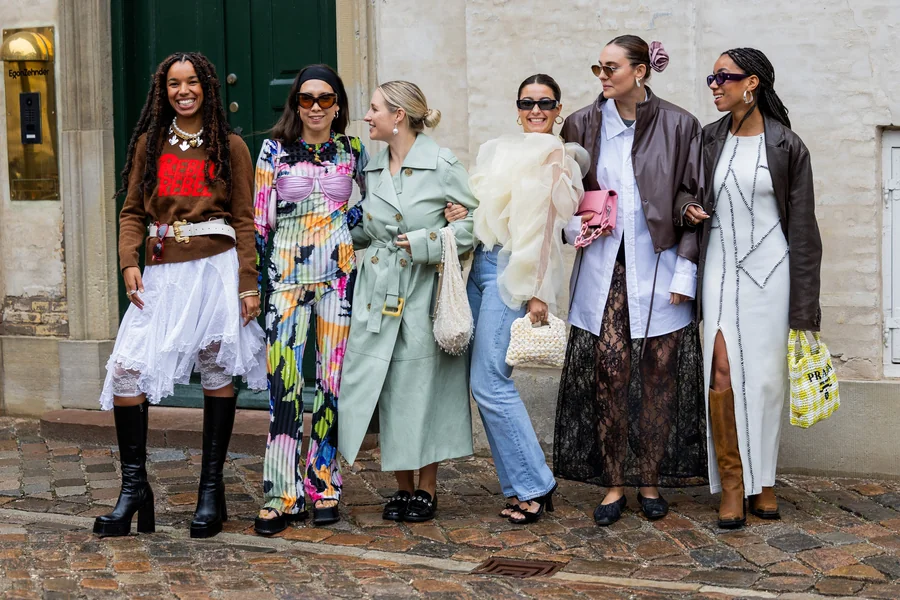
Copenhagen Fashion Week has risen to be one of the biggest fashion shows in the world. Paris, Milan, London and New York are still considered to be the more traditional fashion capitals but Copenhagen has provided a reputation of doing things in another way. It is the unity of great sustainability, innovation and responsible fashion and Scandinavian modern style. Consequently, designers, purchasers, editors, influencers, and fashion lovers look forward to each season.
The event is much more than a showcase of beautiful clothing. It also depicts the evolving consumer ethos, emphasis on a green attitude, and gives the upcoming designers a platform alongside the well-known brands. Each season is surrounded with fresh ideas; these ideas will probably influence the fashion in the world within a month.
Why Copenhagen Fashion Week Has Become a Global Fashion Leader
Over the past decade, Copenhagen Fashion Week has become a fashion event that has gained international attention. Sustainability is one of the largest factors that have led to its success. The event has embraced responsible production into its brand instead of considering eco-friendly fashion a fad.
The companies that will participate in the event are expected to meet the demands of sustainability prior to the unveiling of their collections. The standards motivate designers to consider using healthier materials, enhance the visibility of supply chains, lessen waste and design products that have longer lives.
Besides being sustainable, the Scandinavian fashion has also been attributed to achieving a balance of simplicity and creativity. Tailor made clothing, practicality, boring color selections, and traditional clothes are what the customers like best about this merchandise since they value quality over the fads. This unique style is still the interest of fashion experts worldwide.
New talent is also accommodated in the event. It provides young designers with a good exposure, as well-established labels increase their presence on the international scale. Such juxtaposition of visionary and time-tested artistry makes each season a surprise.
Sustainability Shapes Every Season
Copenhagen does not simply talk about sustainability as many other fashion weeks do, but sustainability is the key point of their planning. Organizers also keep urging brands to work to advance production techniques and ensure transparency throughout the fashion industry.
Recycled fabrics, organic cotton, responsible sourced wool, innovative textiles, and low impact manufacturing processes are featured in many collections. Another concern of the designers is to design dynamic pieces of clothing that are not restricted to one season. This discourages them to buy more low quality items but fewer and better quality items.
Another significant theme has been circular fashion. Apparel brands are beginning to market clothing repair, resale, rental, and garment recycling. These concepts can minimize the wastes of textiles and also prolong the life of the clothes.
These values are also represented in fashion presentations. Most runway events include recycled set materials, electronic invites, reusable decor, and production processes that are environmentally friendly. Minor alterations would help lessen the environmental impact of the event.
As sustainability gains more prominence in the global community, Copenhagen will remain a good example that other fashion weeks would follow keenly.
Fashion Trends That Begin in Copenhagen
Though sustainability is the main focus, creativity is never compromised. Every season also brings in collections, which impact retailers, designers, as well as consumers in various markets.
The informal tailoring is left to be one of the largest peculiarities of the Scandinavian style. Bulky blazers, loose clothing, flowy dresses and cozy layers produce trendy, yet functional outfits.
Still popular are neutral colours such as beige, cream, grays, navy and blacks and soft earth colours. In the meantime, designers tend to wear outlandish accessories in bright colours, bright knits, colourful outer clothes or patterned prints, which do not dwarf the overall look.
The texture is also significant. Leather, wool, denim, linen and recycled materials are commonly used, but they can be mixed in order to create a visual interest but stay simple.
Special care is given to outerwear due to the Nordic climate. Coats that can be used functionally, oversized jackets, quilted items, water-resistant materials, and structured trench jackets are among the highlights of seasonal collections.
Accessories tend to follow the philosophy. As opposed to over-decoration, designers are concentrating on quality workmanship, long-lasting fabrics and flexible designs that complement daily use.
These trends are often followed in the world fashion retailers soon after the event and can be seen as the power of Scandinavian design even outside of Denmark.
The Impact on Designers, Brands, and the Fashion Industry
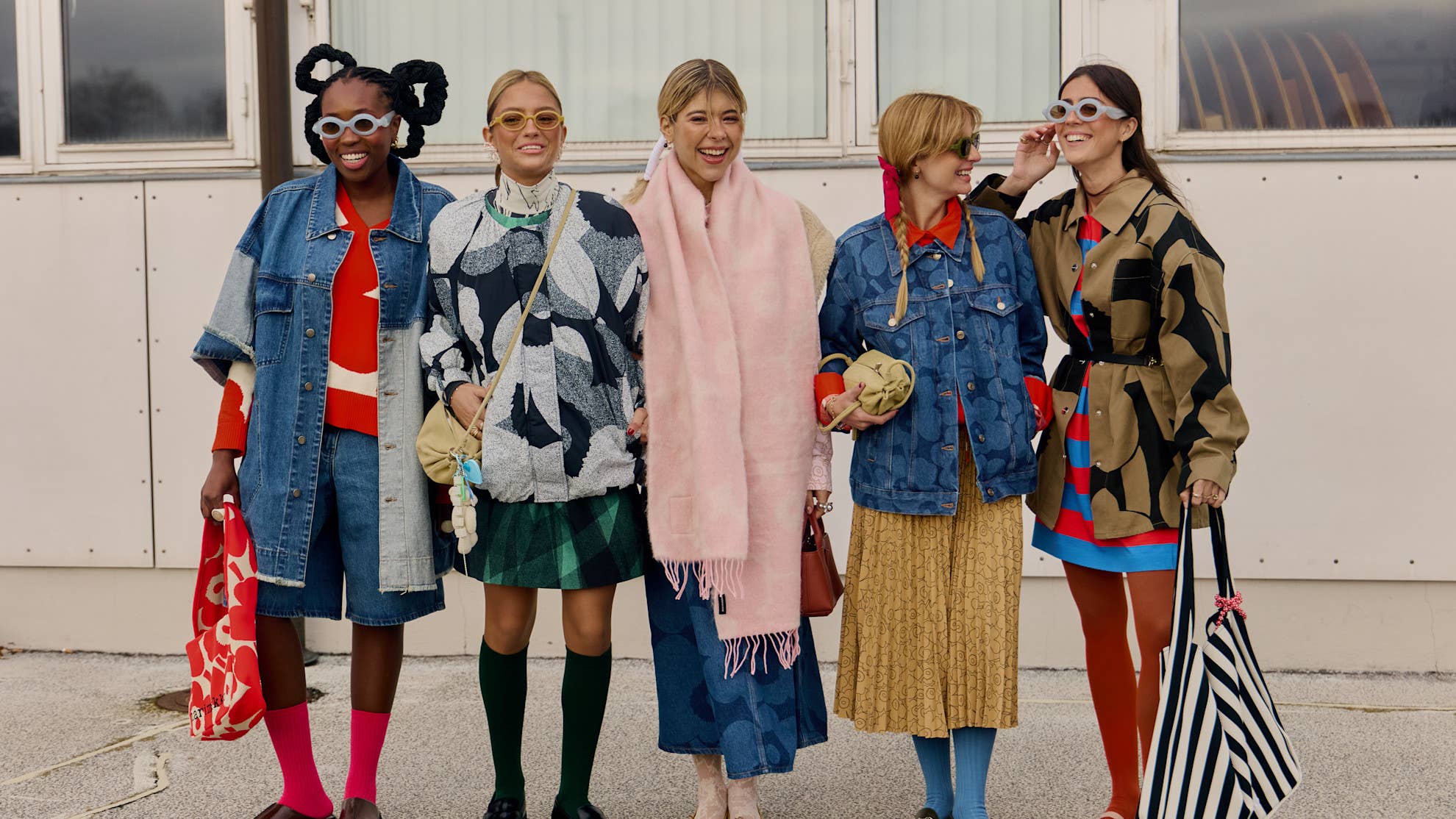
Being a designer, having an opportunity to attend Copenhagen Fashion Week is a major professional gain. Fashion editors, buyers, stylists, photographers and international media, meet to review future collections. Favorable coverage has the potential of introducing a brand to new markets altogether.
The event enables retail buyers to determine the products that could be used next season. Their buying power can make or break a collection that is going to be displayed in shops all over the globe.
The young designers also have the advantage of connecting with manufacturers, investors, retailers and industry experts. These contacts may speed up the development of businesses and pave the way to international relations.
The existing brands also gain by reaffirming their devotion to their sustainability and responsible innovation. Consumers are also demanding greater transparency on production methods and their involvement in Copenhagen can be very essential to any company aiming at achieving credibility in the long term.
Cycle also plays a major part in the economy of Denmark. The international visitors positively affect the hotel industry, the restaurant industry, transportation services, local retailers, photographers, production staff, and creative professionals.
In addition to the economic effect, the event enhances the status of Copenhagen as a creative, design, architectural, and sustainable innovation hub in the world.
What Visitors Can Expect During Fashion Week
Being a visitor to Copenhagen Fashion Week pays off in more ways than just runway shows. The event is embraced in the entire city by exhibitions, creative set-ups, networking, brand activations, showroom visits, and public fashion experiences.
The list of neighborhoods which have turned in to a lively venue in which one can witness street style which sometimes even surpasses the runway itself is a long one. It assembles photographers, fashion designers and editors and sets about the task of creating a mood of inspiration.
With the assistance of showrooms, buyers are able to check out clothes in detail, discuss the production specifics, and place further orders. In the meantime, panels and discussions in the industry sectors address such vital topics as sustainability, technology, diversity, innovation and the future of fashion.
This is mainly due to the fact that the cycling spirit, modern architecture, small cafes, sweeping shores and the trendy city that is design oriented make it one of the best locations to organize an international fashion festival. The garments have had the effect of leaving visitors inspired not only concerning the garments but also the reserved nature of Copenhagen towards the city life.
Any section of the city as a photographer and content maker will give you an opportunity to capture a shot in fashion, architecture and Scandinavian culture in a cool environment with a natural effect.
Final Thought
The fine line that Copenhagen Fashion Week has been able to walk between the realms of imagination and conscientiousness has allowed it to gain fame in the whole world. Instead of differentiating between the seasonal changes, designers and brands consider the future of the fashion industry and the changes in how its actions will impact people and/or the environment.
Copenhagen has become one of the most sought-after fashion cities in the world due to its sustainability, vintage design, innovativeness, and youthful abilities. Its impact is bound to increase perhaps even more as the consumer expectations keep changing.
You are a designer, a retailer, there is a student of fashion, or just like to be stylish about it; this event would be so inspirational, you would know that fashion could be not only beautiful, but also responsible. The fact that it has been successful further demonstrates that the collaboration of sound design and sustainable measures can co-operate and still be the future of the world fashion industry.
FAQs
What is Copenhagen Fashion Week known for?
It is known to have Scandinavian fashion but lays great emphasis on sustainability, responsible manufacturing and creative design.
When does Copenhagen Fashion Week take place?
It is typically held twice in a year once in the autumn/winter collections and once in the spring/summer collections.
Can the public attend Copenhagen Fashion Week?
Events exist to which any person is free to attend and events, where invitations or accreditation into the industry are involved.
Why is sustainability important at Copenhagen Fashion Week?
The concept of sustainability is also an essential element of the event since brands that are engaged in the event are urged to adhere to responsible production guidelines and minimize their environmental footprint.
Which fashion styles are commonly seen during the event?
The thin orthopedic tailoring, overweight outfits, utilitarian outer garments, subdued color scheme, quality knitwear, and traditional Scandinavian ideas are prevalent among vacationers.