
How Music Videos Get Made: Inside the Salt Lake City Production Playbook
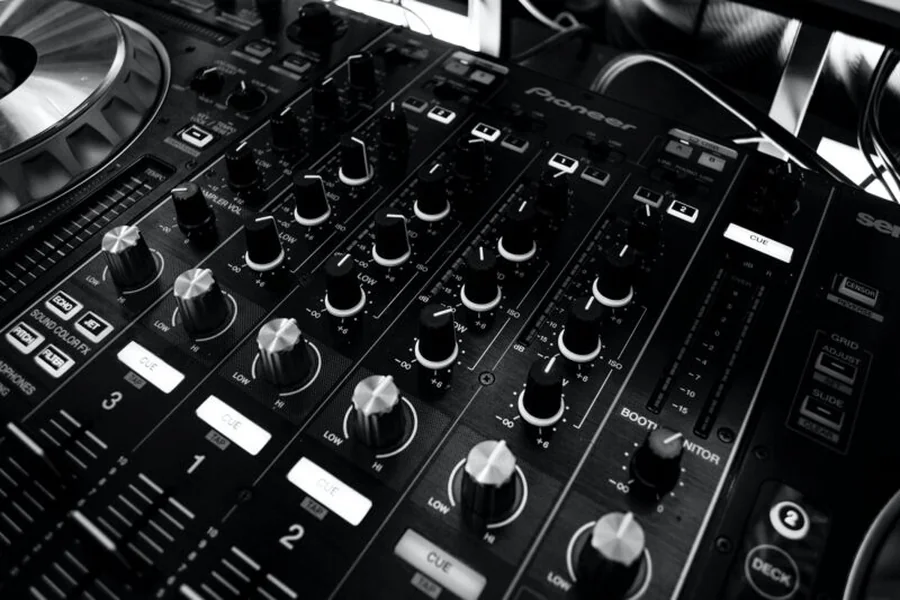
Four hundred dollars. That was the entire budget for the first music video I ever watched get shot, and the singer paid half of it in cash from a tip jar. The video came out fine. The process behind it was chaos, and that chaos is what this piece is about, because most artists walk into a shoot knowing the song and nothing else.
Here’s what I’ll cover: how a video actually moves from voice memo to release, where money quietly disappears, and the prep work that separates a shoot that runs smooth from one that eats your weekend. You don’t need a label. You need a plan and a crew that’s done this before.
Salt Lake City has quietly turned into a real production town over the last decade, and the bands here shoot the same way the agencies do. If you’re booking video production in salt lake city for a single, you’ll get further treating the shoot like a small film than treating it like an errand.
What actually happens between demo and final export
A music video runs through five stages, and skipping any one of them shows up on screen. Pre-production is where you lock the concept, scout locations, and build a shot list. Production day is the shoot itself. Then comes the edit, the color grade, and the sound mix, and those three are where amateurs think the work ends when it’s really where half of it begins.
The stage most artists undervalue is the first one. A director friend of mine calls it the “paper cut,” the moment a concept gets reduced from a mood board to a list of shots you can actually afford in one day. If your idea needs twelve locations and you have six hours, the paper cut saves you.
Production companies that run full in-house, scripting through final grade, exist precisely because handoffs between five freelancers is how deadlines die. One team, one timeline, one person to call when the weather turns.
Why shoot location matters more than you think
Utah gives you options most markets can’t touch. The Bonneville Salt Flats are about two hours west of the city and read as another planet on camera, and they sit on federal land administered by the National Park Service, which means permits and timing rules you have to respect. The Wasatch canyons give you fall color in September and snow in January from the same parking lot.
I once watched a Clearfield punk band shoot a rooftop scene in February because they wanted the mountains behind them. They rented a paraglider for one shot, the wind never cooperated, and the shot never happened. What saved the day was a backup interior location twenty minutes away that the director had scouted the week before. That’s not luck. That’s a second plan.
So pick your location based on what the song needs, not what looks good in a still. A warehouse in South Salt Lake with bad fluorescents gives you grit for free. A canyon at golden hour gives you romance for free. Choose the free emotional content first and spend your money on the shots you can’t fake.
Building a budget that survives contact with reality
Video work in the U.S. is a real, growing slice of the economy. According to the Bureau of Labor Statistics, film and video editors and camera operators hold tens of thousands of jobs nationwide, which means you’re hiring from a trained labor pool, not a favor economy. Rates are what they are.
Here’s the split I’d recommend for a mid-tier single, roughly five to eight thousand dollars. Devote about a third to the shoot day itself, covering crew, gear, and location. Another third goes to the edit and the color grade. The last third covers the things nobody budgets for: permits, insurance, food, a van, and the reshoot you didn’t plan on.
What I’d cut first if the number gets tight: motion graphics. They’re wonderful, they’re also the most expensive minutes on the timeline, and a strong performance shot holds attention longer than a lower-third animation.
Do you need a crew, or can you shoot it yourself?
Shoot it yourself if the video is one performance take, one room, one camera, and no story. That’s a real format and it works. Shoot it yourself if you’re comfortable losing a full day to setup, troubleshooting, and reshooting your own coverage.
Bring in a crew the moment the video needs more than one thing happening at once. The second you add a narrative beat, a second location, or a lighting setup you can’t describe out loud, you’re paying for someone else’s reps. And reps are the product.
The Demo Audit Three: a quick prep checklist
Before you email a single production company, run your idea through this. I call it the Demo Audit Three because it’s three questions and it takes an afternoon.
- Can I describe the whole video in one sentence without the word “vibe”? If not, the director will invent the concept for you, and you may not like their version.
- What is the single image people should remember a week later? A flooded basement. A wedding dress in a truck bed. Name it before the shoot, not in the edit bay.
- What’s my hard ceiling, in dollars, including the reshoot? Say the number out loud and write it down before the first meeting.
Answer those and you’ll walk into a pitch with something a crew can price, which is the entire difference between a quote and a guess. The Library of Congress maintains the national film registry if you want a study list of what has lasted, though I’d argue a single watch of a video you love, paused and studied, teaches more than a hundred clips.
Release day is part of production
None of this matters if the video ships and sits there. Plan the release before you shoot: cut a fifteen second vertical for the platforms that reward vertical, keep the full version for the places that reward length, and have stills ready because press needs them and never asks in advance.
The artists who get traction treat the video as the start of a campaign, not the finish line of a project. That’s a mindset shift more than a budget line, and it’s free.
A music video is a thirty day project pretending to be a one day event. Every good one I’ve watched come together had a paper plan, a backup location, and a number written down in advance. Pick your one image, then go build everything else around it.