
How To Identify When Your Child Needs New Athletic Sneakers
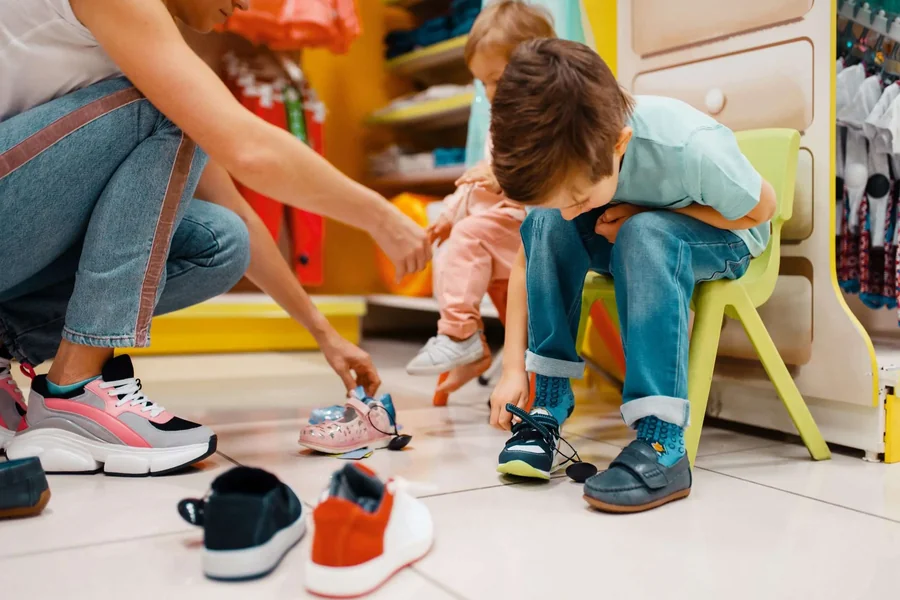
Athletic activities play a vital role in the physical development of young people. Parents must monitor the condition of footwear to prevent discomfort or potential injuries. Sneakers undergo significant stress during sports or daily play. Regular inspections ensure that footwear provides the necessary support for growing feet.
Active children require stable platforms for their movements. Proper cushioning helps maintain foot health during high-impact exercises. One example of a supportive design is the Asics Gel-1130. This model offers stability features that benefit young athletes during various physical tasks.
Visual Signs Of Material Fatigue
Exterior damage provides the most obvious clue that a shoe requires replacement. Check the upper mesh for tears or small holes near the toe box. Friction often causes these materials to thin out over time. Fabric failure compromises the structural integrity of the entire sneaker.
Inspect the heel collar for signs of excessive wear. The inner lining can shred and expose hard plastic components. This exposure leads to blisters or skin irritation for the wearer. Healthy footwear must maintain a smooth interior surface for maximum comfort.
Outsole Wear Patterns And Traction Loss
The bottom of the shoe reveals how a child moves. Smooth patches on the rubber indicate a loss of essential grip. Traction prevents slips on gym floors or outdoor tracks. Worn-out soles increase the risk of accidental falls during rapid pivots.
Look for uneven erosion on the medial or lateral sides. Excessive wear on one edge suggests a need for corrective support. Middle sections of the tread should remain defined and deep. New running shoes for kids provide the necessary friction for safe movement.
Midsole Compression And Impact Absorption
Midsoles act as the primary shock absorbers for the feet. Constant pressure causes the foam to lose its bounce over time. Vertical creases in the foam signify that the material is dead. This compression reduces the ability of the shoe to protect joints.
Test the flexibility by bending the shoe at the forefoot. A sneaker that folds too easily lacks the required rigidity. Firm midsoles support the arch during strenuous activities. Replace footwear when the base feels hard or brittle to the touch.
Proper Fit And Toe Room Requirements
Children grow at unpredictable rates throughout the calendar year. Tight shoes restrict natural blood flow and cause permanent toe deformities. Parents should check for at least a thumb’s width of space. This gap allows for natural foot expansion during intense exercise.
Ask the child to wiggle their toes inside the toe box. Restricted movement indicates that the size is now too small. Pressure on the front of the shoe leads to bruised toenails. Options like kids‘ Asics provide adequate room for developmental growth.
Stability Concerns And Heel Counter Integrity
The heel counter must remain stiff to lock the foot in place. Squeeze the back of the shoe to test its resistance. A soft or collapsed heel counter fails to prevent ankle rolls. Secure heel placement is essential for lateral movements in sports.
Observe the shoe from a rear perspective on a flat surface. Replace the sneakers if they tilt to one side. Alignment issues put unnecessary strain on the lower legs. Sturdy construction helps maintain a neutral gait during long walks.
Complaints Of Discomfort Or Physical Pain
Listen to feedback regarding foot fatigue or persistent aches. Pain in the arches or shins often stems from flat soles. Children might not recognize that their gear is the culprit. Persistent soreness serves as a reliable indicator for a fresh pair.
Check for red marks on the skin after a practice session. Irritation points suggest that the internal structure has shifted. Friction creates heat which leads to painful hot spots. Modern designs like the Asics gel-NYC prioritize a comfortable fit for the wearer.
Odor Retention And Moisture Management Problems
Breathable materials help manage sweat during heavy physical exertion. Old foam often traps bacteria and produces permanent unpleasant smells. This buildup indicates that the internal fibers have broken down. Fresh materials promote a more hygienic environment for the feet.
Dampness inside the shoe can lead to fungal infections. Shoes that stay wet for long periods lose their shape. Technical fabrics must wick moisture away from the skin effectively. Quality sneakers maintain a dry interior through advanced ventilation systems.
Changes In Performance And Athletic Agility
Observe the child during their favorite sporting activities. Slowed movements or frequent stumbles might indicate poor equipment. Heavy or waterlogged shoes hinder natural speed and coordination. New footwear often restores confidence during competitive play.
Slipping inside the shoe suggests that the internal padding is gone. A loose fit reduces the efficiency of every stride taken. Proper gear translates energy more effectively from the foot to the ground. Upgrading the equipment ensures the child performs at their best level.
The health of a young athlete depends on reliable equipment choices. Parents should prioritize regular checks of the sole and upper components. Timely replacements prevent unnecessary physical stress on developing bones. Models like the Asics Gel-1130 serve as a benchmark for durable and functional athletic footwear. Consistency in these inspections ensures that the child remains safe and comfortable during every physical endeavor.