
Large Outdoor Awnings: Sizing, Fabric Selection and Options
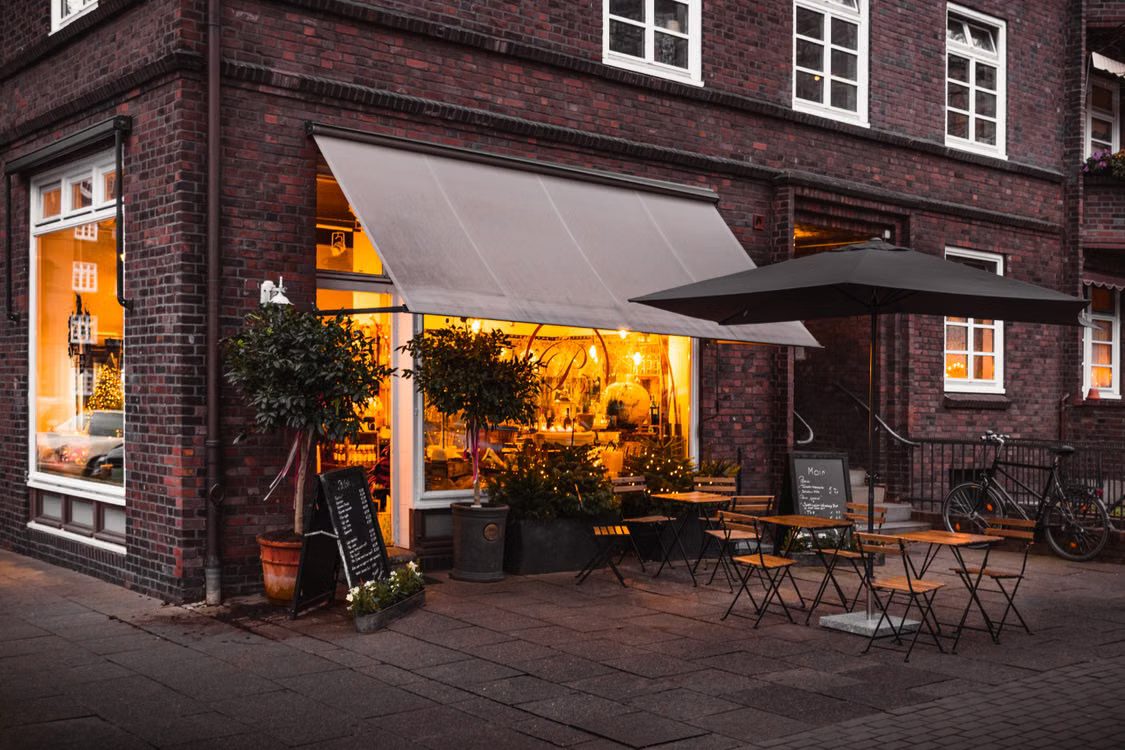
Adding shade to an outdoor living space completely transforms how you enjoy your home or business. Whether you want to beat the summer heat on a residential patio or create a comfortable outdoor dining area for restaurant guests, large outdoor awnings offer a reliable, stylish, and practical solution. They block harsh sunlight, lower outdoor temperatures, and protect your furniture from weather damage.
Choosing the right shade system requires more than just picking a color you like. You need to consider structural support, proper measurements, fabric performance, and whether a fixed or retractable design best fits your lifestyle. In this comprehensive guide, we will break down everything you need to know about choosing large outdoor awnings for your property, from finding the right dimensions to selecting materials that last for years.
Big Awning: Commercial vs. Residential Applications
When considering a big awning, the intended application determines how the structure should be built, mounted, and operated. While both residential and commercial setups aim to create shade, their functional requirements, local building codes, and design priorities are quite different.
For homeowners, a big awning serves as an extension of the indoor living space. It turns an exposed deck or patio into a usable room for outdoor dining, relaxing, or hosting guests.
- Residential aesthetic appeal: Homeowners usually focus on how the shade structure blends with their home’s architectural style, choosing colors and patterns that match their siding, brickwork, and trim.
- Flexible operation: Most residential projects favor retractable systems that can be pulled back during cloudy days or winter months to let natural light inside.
- Energy savings: A well-placed shadow over sliding glass doors or large windows significantly reduces indoor cooling costs during peak summer heat by preventing solar heat gain.
Commercial applications, on the other hand, require heavy-duty engineering built for constant exposure and heavy foot traffic.
- Brand visibility: Businesses often use their shading structures as high-visibility signage by printing logos, street numbers, and custom colors on the material.
- Increased seating capacity: Restaurants and cafes rely on wide outdoor coverage to seat more customers year-round, directly boosting daily revenue.
- Strict safety compliance: Commercial installations must meet rigorous local building codes, fire-retardancy standards, and wind-resistance requirements.
Regardless of where it is installed, a quality big awning provides immediate comfort, valuable weather protection, and long-term aesthetic value to any building.
Large Outdoor Awnings: Sizing and Selection
Selecting the perfect size for large outdoor awnings requires careful planning and precise site evaluation. An awning that is too small leaves key areas exposed to the sun, while one that is too large can overwhelm your building’s facade, violate property setback rules, or fail to clear structural obstacles like light fixtures, downspouts, and low rooflines.
To determine the ideal dimensions, start by evaluating the layout of your outdoor space and how you plan to use it throughout different seasons.
- Measure the area of coverage: Determine the exact footprint you want to shade, including dining tables, lounge chairs, outdoor kitchen counters, or walkways.
- Check mounting height: Ensure you have enough vertical clearance on your wall, header, or fascia. Most retractable systems require at least 8 feet of mounting height for proper slope and headroom.
- Account for sun angles: The sun moves throughout the day and year. Extending the coverage a few feet beyond your patio border ensures adequate shade during early morning and late afternoon hours.
- Consider structural attachment points: Verify that your exterior wall has solid framing, such as wall studs or brick headers, capable of supporting heavy loads and wind pressure.
If you are looking for high-end options with professional installation and customizable dimensions, searching for a certified Sunesta dealer near me is a great way to explore premium product lines tailored to your exact architectural needs.
Working with experienced professionals ensures that your large outdoor awnings are anchored securely to withstand local weather conditions, avoid structural fatigue, and operate smoothly for years.
Large Retractable Awning: Maximum Width and Projection
A large retractable awning gives you the best of both worlds: complete shade when you need it and open skies when you do not. However, engineering a movable structure across a wide expanse comes with physical limitations and mechanical demands that every property owner should understand.
When discussing dimensions for a large retractable awning, two primary measurements matter: width (the distance along the wall) and projection (how far out from the wall the system extends).
- Standard and custom widths: Most single-unit retractable systems can reach widths up to 24 or 40 feet. For wider spaces, multiple units can be linked together seamlessly under a single continuous fabric cover.
- Projection capabilities: Standard projections usually range from 10 to 14 feet, though heavy-duty residential and commercial systems can project out even further using reinforced arm joints.
- Pitch adjustment: The slope of the extension must be angled correctly so rainwater slides off easily without pooling on top of the fabric structure.
- Arm tension mechanisms: High-grade systems use dual-spring or chain-driven lateral arms to keep the canopy taut across its entire span.
Understanding the retractable awning maximum size helps set realistic expectations for your patio layout. The physical strength of the lateral support arms limits the maximum projection. As the projection increases, the mechanical load on the mounting bracket increases exponentially.
Knowing your system’s retractable awning maximum size ensures you choose an installation that will remain stable during unexpected wind gusts without risking structural damage to your home’s framing.
Long Awning: Custom Solutions for Extended Coverage
Sometimes a standard square or rectangular setup is not enough. Properties with wrap-around decks, long commercial storefronts, wide swimming pool patios, or extended building entrances often require a long awning that spans a significant length without sacrificing structural integrity.
Installing a long awning presents unique engineering challenges regarding weight distribution, mechanical operation, and frame rigidity over long spans.
- Motorized operation: Large and extended shade structures are heavy. Motorized systems equipped with internal tubular motors, remote controls, or smartphone apps make opening and closing effortless.
- Smart weather sensors: Adding automated wind and rain sensors protects your investment by automatically retracting the system if dangerous wind gusts or heavy precipitation are detected.
- Front support posts: For extremely long projections or wide spans, adding front support legs creates a stable pergola-style hybrid structure that supports additional structural load.
- Telescoping support arms: These heavy-duty components allow long spans to maintain stability without sagging in the middle during extension.
A custom-designed long awning solves difficult architectural layouts, ensuring that every foot of your outdoor pathway, walkway, or deck receives continuous, uniform shade and protection.
Awning Fabric: Durability, UV Protection, and Design
The frame provides the backbone of your system, but the awning fabric is what actually blocks heat and protects against weather. Choosing high-quality material is crucial if you want your setup to look great and perform well over many years of heavy exposure.
Cheap materials tend to fade, stretch, crack, and develop mold after just a season or two. Investing in top-tier awning fabric ensures long-lasting color brightness, tear resistance, and superior weather performance.
- Solution-dyed acrylic: This is the gold standard for outdoor shade systems. The color pigments are added directly into the fiber during manufacturing, making it highly resistant to UV fading, bleaching, and chemical breakdown.
- Vinyl-coated polyester: Highly waterproof, stain-resistant, and easy to clean, this heavy-duty material is ideal for commercial settings that face frequent rainfall or require certified fire-retardant treatments.
- Mesh and screen fabrics: Perfect for vertical drop screens, open-weave mesh blocks heat and glare while preserving your view of the surrounding landscape and allowing breezes to pass through.
- Water-repellent coatings: High-grade fabrics are treated with special finishes, such as fluorocarbon coatings, that repel dirt, water droplets, and airborne pollutants.
High-performance awning fabric blocks up to 98% of harmful UV rays, drastically lowering the ambient temperature underneath the shade structure by up to 20 degrees Fahrenheit.
Investing in the right shade solution improves both the function, appearance, and monetary value of your property. By understanding the differences between residential and commercial setups, paying close attention to structural sizing, and choosing a high-grade awning fabric, you can create a comfortable outdoor retreat that lasts for decades.
Whether you need a compact shade for a cozy backyard deck or a large retractable awning with high maximum retractable awning size capability, proper planning guarantees the best results. Take time to measure your space carefully, consider your local weather conditions, and work with trusted dealers to find the ideal setup for your lifestyle.