
Polygraph Test In Workplace: What Employers And Employees Should Know

Uncertainty can spread rapidly when there is theft, fraud, or misconduct in the workplace. Employers must have dependable methods of investigating incidents, and employees usually question whether an investigation will be reasonable and not infringe on their rights.
As a result, workplace polygraph testing frequently raises questions about when it can be used, who can be asked to take one, and what the process actually involves. It is significant to understand these considerations since workplace polygraph tests are not conducted as a regular management tool, but are legally required and governed by professional standards.
This article describes what employers and employees need to know about polygraph testing in the workplace, when it can be conducted, the legal aspects of polygraph testing, and what to expect upon undergoing the test.
1. Know When a Polygraph Test Is Appropriate in Workplace
A workplace polygraph test is generally intended for investigating a specific incident, not for routinely screening employees.
Often, an employer will undertake this kind of examination when there is a demonstrably identifiable problem, like employee theft, embezzlement, vandalism in the workplace, financial loss, or unauthorized dislocation of company resources. The analysis promotes the systematic determination of facts by concentrating on a certain incident instead of making general allegations.
Furthermore, specific-issue testing should be differentiated from pre-employment testing. A specific-issue testing is intended to respond to questions about a familiar workplace event, and pre-employment polygraph testing is not subject to any special legal standards and is forbidden in the United States by most private employers.
Meanwhile, the legislation on workplace polygraphs differs across countries. Although in certain jurisdictions employers have greater power to demand testing, in the U.S. private employers are subject to very strict federal regulations, and in most instances to further state laws.
As such, both employers and employees should be aware of the legal framework prior to requesting or undergoing a workplace examination.
2. Understand Legal Rights and Responsibilities of Both Employers and Employees
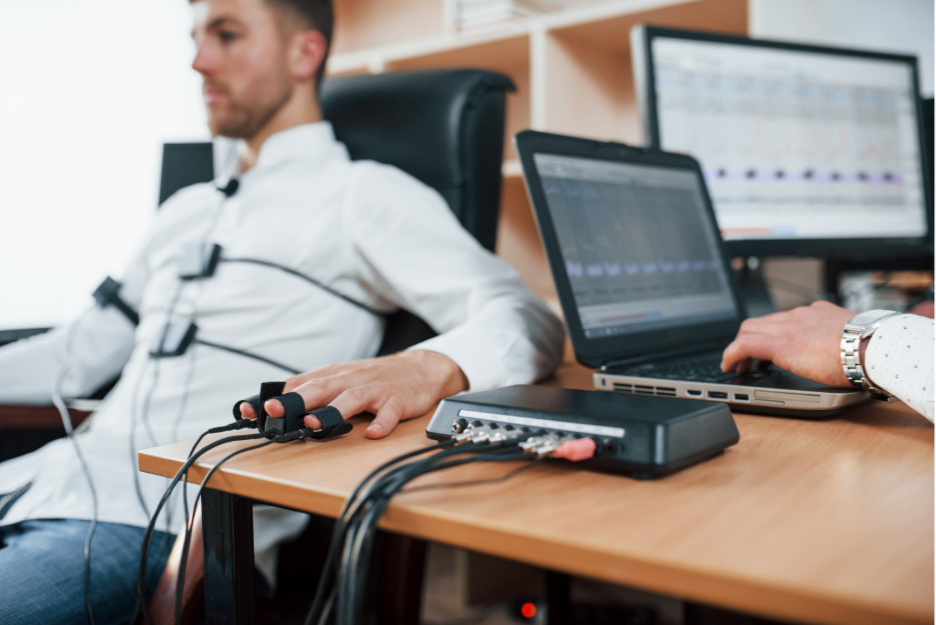
Both sides should be aware of their legal rights and protections before a workplace polygraph examination is conducted. This assists in ensuring that investigations are fair, transparent, and within the relevant laws.
For employers in the United States, the Employee Polygraph Protection Act (EPPA) significantly limits when polygraph testing may be used. In most workplaces, testing is only allowed under certain exemptions, including investigations of an identifiable economic loss where the employee had access to the property or information at issue. Employers should also meet the legal conditions prior to requesting an examination, such as giving the right written notices where necessary.
Employees also have important protections throughout the process. They should receive information about the purpose of the examination and understand that the questions will relate only to the specific workplace incident under investigation. Moreover, the results of a polygraph test should not be used as the only basis of decision-making in the workplace where there are legal safeguards.
Moreover, states might have stricter rules than the federal government. As a result, employers and employees gain insight into the legal conditions that govern their jurisdiction prior to conducting any form of examination in the workplace.
3. Know What to Expect During Polygraph Examination Process
Many people assume a workplace polygraph examination begins as soon as they enter the testing room. As a matter of fact, the real process begins long before the examination itself.
To begin with, the examiner collects facts about an incident in the workplace and analyzes the details of the investigation. This helps ensure that the examination focuses only on relevant issues instead of unrelated topics.
Then, the examinee is required to fill out the required documentation and undergoes a thorough pre-test interview. In this discussion, the examiner will describe the process of the examination, preview questions, and address any questions. As a result, there should be no surprises when the examination begins.
The pre-test interview is followed by the testing phase. During the examination process, the examiner applies professional methods to gather physiological information and poses only the questions that were previously discussed in terms of the investigation.
Subsequently, the examiner can have a post-test discussion in case clarification is required prior to the preparation of the examination results. The duration of the whole process in most workplace investigations is generally one and a half to two and a half hours, which gives enough time for each of the stages to be done meticulously instead of being hurried.
4. Professional Standards Play Critical Role in Reliable Workplace Testing
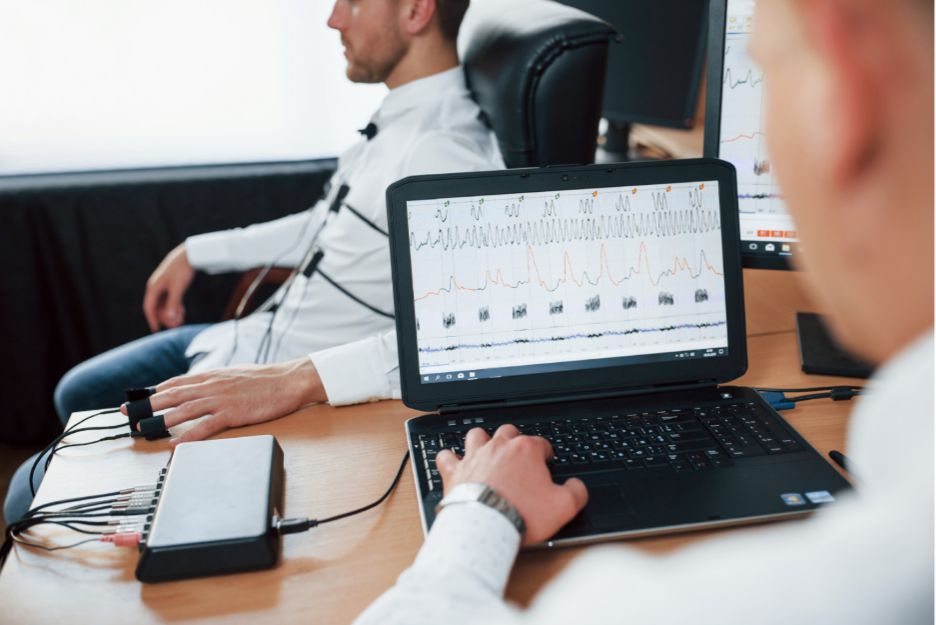
The quality of a workplace polygraph examination depends on more than the equipment used. Equally important is the experience, training, and professionalism of the examiner conducting the process.
Qualified examiners follow established testing procedures, maintain consistent standards, and ensure each question directly relates to the issue being investigated. This structured approach helps reduce misunderstandings while supporting a fair, well-documented examination.
In contrast, employers and employees should be cautious of services that promise unusually inexpensive examinations, rely on unverified testing methods, or use technologies that lack broad scientific acceptance as substitutes for professional polygraph examinations. Choosing an experienced examiner helps improve the integrity of the investigation while reducing procedural errors.
Clear communication also benefits everyone involved. Employers should explain why the examination is being requested, while employees should understand each stage before testing begins. When workplace polygraph examinations follow professional standards and applicable legal requirements, they can support a more objective investigation and help organizations address workplace concerns responsibly.
Conclusion
Workplace polygraph testing is designed to support investigations rather than screening. Understanding when an examination may be appropriate, the legal protections that apply, and the professional procedures involved allow both employers and employees to approach the process with confidence.
When polygraph examinations are conducted by professionals and in accordance with laws, they can help organizations investigate workplace incidents while promoting fairness, transparency, and decision-making.