
How To Reduce The Effects Of Sitting All Day: 3 Simple Tips For Better Health
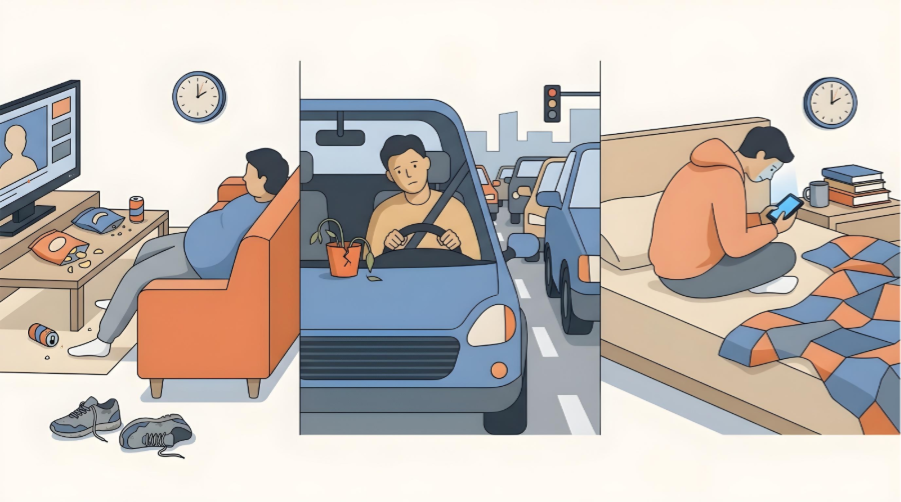
Many people believe that sitting throughout the day is not harmful, until their body begins to prove them wrong. It does not affect you immediately, but gradually your back stiffens, you feel less energetic throughout the day, and even simple movement becomes difficult.
The problem is it occurs when you are already working normally, and thus it is easy to ignore and push through. With time, this silent pattern builds into permanent discomfort that impacts your daily mood.
The positive thing is that your body does not require drastic adjustments to heal. It responds well to small, consistent movement spread across your day, especially when it breaks long sitting time.
Once you understand how to strike a balance between sitting and simple habits, you will feel that things will become a lot easier in your daily routine.
That is what you are about to find out next: easy, useful tips to make you feel more energetic, less sore, and more in charge when you have to work long hours.
Prolonged sitting has become a normal part of life in the modern world because of desk jobs, online work, and other activities on the screen. Due to this habit, the body tends to remain in the same position most of the day, and this gradually slows down natural movement and physical activity.
In the long run, this immobility may influence the body’s ability to perform and experience daily activities. The energy levels can decrease, posture can become weak, and general comfort can decline gradually without any obvious symptoms.
As these effects become more noticeable in daily life, many people start exploring simple ways on how to reduce the effects of sitting all day.
Key concerns of sitting all day:
- Increase in total daily inactivity
- Reduced natural body movement
- Lower energy and alertness levels
- Poor balance between activity and rest
- Higher chances of physical discomfort over time
Why Sitting Cannot Be Offset by Exercise Alone
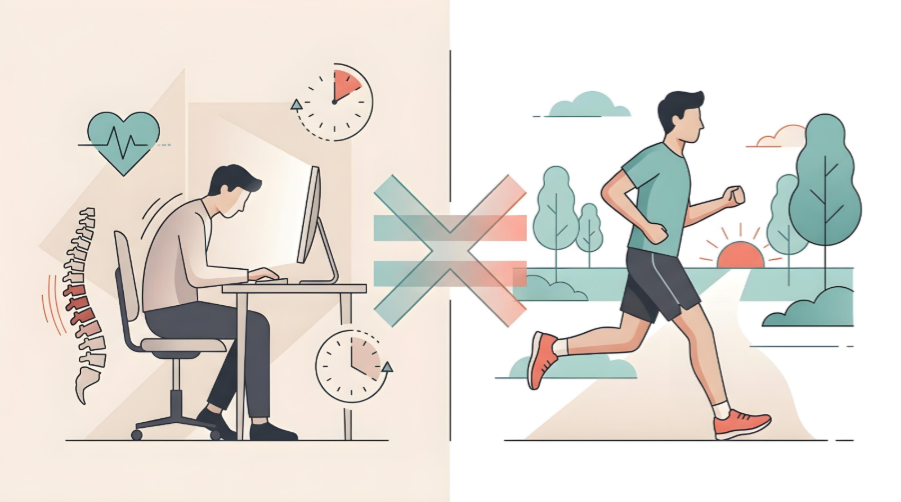
Long periods of sitting may still impact your body even when you exercise regularly. This is primarily because the body spends excessive time in a single position that cannot be balanced completely despite short workouts.
- Exercise is for a limited time during the day, whilst sitting takes many hours during work, traveling, or relaxation.
- Prolonged sitting decreases blood flow and lowers overall body activity even in active individuals.
- Even with routine exercise, long continuous sitting may cause muscle and joint stiffness.
- Physical training enhances strength and fitness, although it does not completely counteract the effects of daily inactivity.
- The body requires regular movement breaks during the day to balance and minimize the effects of sitting.
3 Simple Tips to Reduce Effects of Sitting All Day
Long hours of sitting can slowly affect your body, so small daily changes can make a real difference in how you feel. The following easy tips can assist you in becoming more active and less stiff during your everyday working day.
Tip 1: Break Long Sitting Hours with Frequent Movement
When you are sitting too long, it causes the body to become stiff and inactive. To prevent this, stand up after every 30 to 60 minutes and go on a quick walk around your space. These small breaks enhance blood circulation and ease up pressure on your muscles.
Even basic stretching at your workstation can loosen your neck, shoulders and back at work. Repeating these exercises throughout the day keeps your body flexible, and you become less fatigued and more comfortable during prolonged sitting periods.
Tip 2: Build a Simple Daily Movement Routine
Incorporate small movements into your daily life so your body does not spend too much time in a certain position. You can stand while taking calls, walk during short breaks, or move around between tasks. These easy actions keep your body active even on hectic days.
Setting reminders can also help you move at regular intervals without forgetting. Once movement is a part of your daily life, it becomes normal and simple to follow. In the long run, this assists in decreasing fatigue and making your energy levels more consistent during the day.
Tip 3: Improve Your Work Setup for Better Movement
A good chair helps your back stay straight, and a desk that can change height lets you stand sometimes. Proper foot support is equally important for maintaining comfort and alignment throughout the day. If you experience foot fatigue, arch pain, or discomfort after long periods of sitting, custom orthotics from BV Foot Clinic can provide additional support and help improve overall foot function. These small changes help your body feel better and reduce pain.
You can also keep things like water or your printer a little far away so you have to get up more often. When your space makes you move more, it becomes easier to avoid sitting for too long without even thinking about it.
Conclusion
Reducing the effects of sitting all day starts with small and consistent actions that support your body throughout the day. When you understand how long sitting affects your energy and comfort, it becomes easier to make better daily choices.
By adding movement, improving your routine, and adjusting your environment, you create a healthier balance without major effort. Over time, these simple habits help you feel more active, focused, and comfortable in your daily life.