
The Hidden Cost of an Unprotected Garage Floor in Edmonton
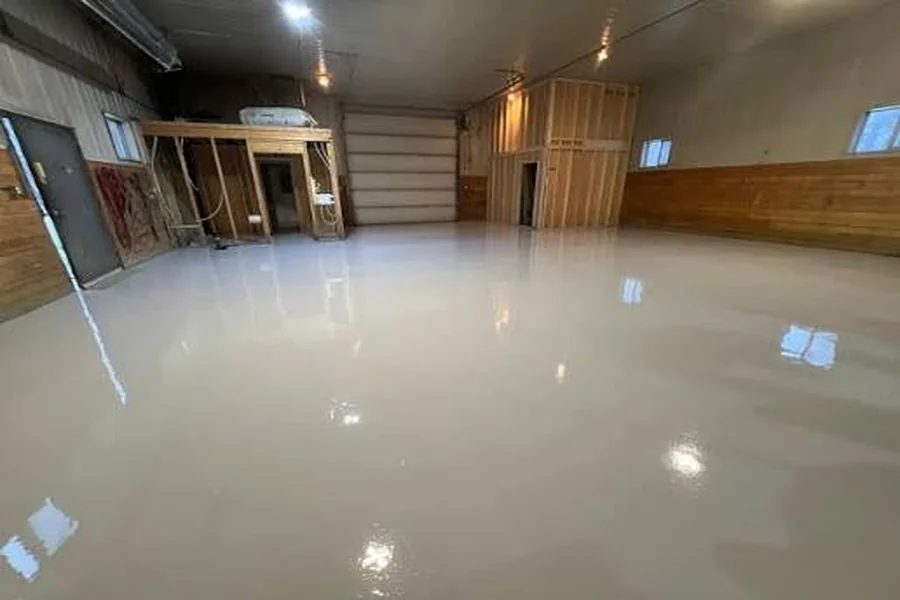
Your garage floor does more than provide a surface for parking your vehicle. It deals with heavy loads, road salt, moisture, dirt, oil, chemicals, temperature changes, and everyday foot traffic. In Edmonton, these challenges can be particularly hard on concrete because of the city’s cold winters, freeze-thaw cycles, and the amount of salt and de-icing material brought into garages during the snowy season.
While an untreated concrete floor may seem perfectly adequate at first, small problems can gradually become expensive repairs. Cracks, stains, surface deterioration, and moisture damage can all reduce the usefulness and appearance of a garage. Understanding these hidden costs can help homeowners make better decisions about protecting their garage floor before minor damage turns into a major project.
Edmonton’s Climate Can Be Hard on Concrete
Concrete is strong and durable, but it is not completely resistant to environmental conditions. Edmonton experiences significant temperature fluctuations throughout the year. During winter, freezing temperatures can affect concrete, while warmer periods can introduce moisture that eventually freezes again.
Water can enter tiny pores and existing cracks in concrete. When temperatures drop, that water expands as it freezes. Repeated freeze-thaw cycles can gradually weaken the surface, causing cracks, chipping, flaking, and other forms of deterioration.
A garage can also trap moisture from snow-covered vehicles. Snow and ice melt after a vehicle enters the garage, leaving water on the floor. If the concrete is unprotected, that moisture can penetrate the surface and contribute to long-term damage.
Road Salt Can Accelerate Floor Damage
Road salt is an unavoidable part of Edmonton winters. Vehicles pick up salt, sand, and other de-icing materials from roads and parking lots before bringing them into the garage.
When snow melts, these materials remain on the concrete floor. Salt and other chemicals can contribute to surface deterioration, particularly when they repeatedly mix with moisture and are allowed to remain on the floor.
Over time, the concrete may begin to look rough, discoloured, or worn. What starts as a cosmetic issue can eventually become a maintenance concern.
Regular cleaning can help reduce exposure, but cleaning alone does not provide the same level of protection as a properly prepared and coated surface.
Oil and Chemical Stains Can Become Permanent
Garages are often used for more than parking. Homeowners may work on vehicles, store lawn equipment, maintain tools, or complete DIY projects. As a result, floors can be exposed to motor oil, gasoline, cleaners, paint, and other substances.
Bare concrete is porous, which means spilled liquids can penetrate the surface. An oil spill that is ignored for too long may leave a dark stain that is difficult to remove completely.
A protected floor creates a more practical surface for everyday garage use. Instead of allowing contaminants to soak directly into porous concrete, a properly installed coating can provide a more resistant barrier and make routine cleanup easier.
Small Cracks Can Become Bigger Problems
One of the most commonly overlooked costs of an unprotected garage floor is the gradual expansion of minor damage.
A small crack may initially appear harmless. However, moisture can enter the opening, particularly during Edmonton’s wet and snowy seasons. When temperatures fall, freezing water can put additional pressure on the surrounding concrete.
Not every crack means the entire floor needs replacement. In many cases, the important step is identifying problems early and addressing them before they spread.
Ignoring visible damage can eventually lead to more extensive preparation, repairs, or even partial concrete replacement. These costs can be considerably higher than taking preventive measures when the floor is still in relatively good condition.
The Cost of Constant Cleaning
An unprotected garage floor can also create an ongoing maintenance expense that is easy to overlook.
Concrete absorbs liquids and holds onto dirt. Oil stains, tire marks, mud, salt residue, and other contaminants may require repeated scrubbing and specialized cleaning products. Homeowners can spend considerable time maintaining a floor that still never looks completely clean.
A properly coated floor is generally easier to maintain because contaminants have less opportunity to penetrate the underlying concrete. Routine sweeping and mopping can often become much simpler.
The value is not only financial. Reducing maintenance also saves time and makes the garage more practical for storage, hobbies, and other activities.
A Coating Can Improve More Than Appearance
When homeowners consider garage floor coatings, appearance is often the first benefit that comes to mind. A clean, finished surface can make an older garage look brighter and more organized.
However, the practical benefits can be even more important.
For Edmonton homeowners, an appropriate epoxy garage floor coating Edmonton solution can help create a durable, easier-to-clean surface that is better suited to the demands of an active garage. Depending on the product and installation system, coatings can provide resistance against everyday wear, stains, moisture, and certain chemicals.
The quality of the installation matters just as much as the coating itself. Proper surface preparation, crack repair, moisture assessment, and application techniques all play an important role in achieving a long-lasting result.
Unprotected Floors Can Affect Garage Usability
A damaged garage floor can gradually change how homeowners use the space.
Cracked or deteriorating concrete may make the garage less attractive for storage or hobbies. Uneven areas can collect water and dirt, while persistent stains can make the entire space look neglected.
A garage with a clean, durable floor can become a more functional extension of the home. It may be used as a workshop, storage area, recreational space, or organized utility area instead of simply serving as a place to park a vehicle.
Protecting the floor can therefore contribute to the overall usability of the garage.
Delaying Protection May Increase Future Costs
One of the biggest hidden costs is waiting until damage becomes obvious.
When concrete is relatively new or still in good condition, preparation may be more straightforward. Once a floor has developed extensive cracks, spalling, deep stains, or other deterioration, additional repair work may be required before a coating can be installed.
That can increase both labor and material costs.
Preventive maintenance does not mean every garage needs an expensive treatment immediately. Instead, homeowners should evaluate the condition of their concrete and consider how much exposure it receives. A garage that regularly deals with snow, salt, vehicle fluids, and heavy traffic may benefit more from early protection than a rarely used space.
Choosing the Right Protection for Your Garage
Not every garage floor has identical requirements. Factors such as concrete condition, moisture levels, vehicle traffic, chemical exposure, and expected use should be considered before selecting a coating.
Professional assessment can help identify existing problems that need attention before installation. Surface preparation is particularly important because coatings need a properly prepared substrate to adhere effectively.
Homeowners should also ask about the coating system being recommended, preparation methods, expected durability, maintenance requirements, and warranty terms. Comparing these factors can be more useful than simply choosing the lowest initial price.
Protect Your Garage Before Damage Gets Expensive
An unprotected garage floor may not seem like a financial concern when it is first installed. But Edmonton’s harsh winter conditions, moisture, road salt, vehicle fluids, and repeated temperature changes can gradually take their toll on concrete.
The hidden cost comes from more than repairs. It can include repeated cleaning, reduced garage usability, permanent staining, premature surface deterioration, and increasingly difficult maintenance.
Protecting the floor early can help homeowners avoid some of these problems while creating a cleaner and more functional garage environment. Rather than waiting until cracks and surface damage become major issues, evaluating the condition of the concrete today can be a practical step toward reducing long-term maintenance and repair costs.