
The New Language of Natural Interiors: Why Stone Is Finding Its Place in Modern Bathrooms
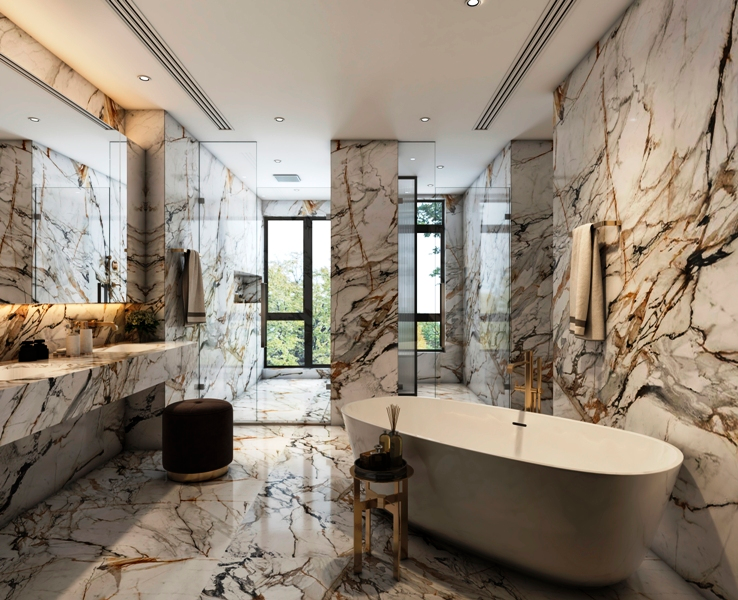
For years, bathroom design was dominated by the idea that everything had to be sleek, polished, and perfectly coordinated. Glossy tiles, bright white fixtures, chrome fittings, and minimalist surfaces became the standard language of contemporary interiors. While this approach remains popular, a different aesthetic has gradually begun to emerge—one that feels warmer, more tactile, and connected to the natural world.
Homeowners and designers are increasingly looking beyond purely manufactured finishes and exploring materials that bring texture and character into everyday spaces. Wood, natural stone, handmade ceramics, brushed metals, and organic fabrics are all finding their way into modern interiors, creating rooms that feel less clinical and more personal.
The bathroom, in particular, is becoming an important space for this shift. Once treated primarily as a functional area, it is now being designed as a place for relaxation and self-care. Within this new approach, natural materials can play an important role in creating an atmosphere that feels calm, considered, and timeless.
Among these materials, stone has a distinctive appeal.
Why Natural Materials Are Changing Bathroom Design
The renewed interest in natural materials is part of a much wider movement in interior design. After years of highly polished and heavily coordinated interiors, many people are now looking for homes that feel more authentic and connected to the world outside.
Natural materials bring something that manufactured surfaces often struggle to replicate: variation.
No two pieces of natural stone are exactly alike. Subtle changes in colour, texture, veining, and surface character can give a room a sense of individuality. Rather than looking perfectly uniform, the material feels like it has its own story.
This quality can be particularly effective in bathrooms, where too many hard, reflective surfaces can sometimes make a room feel cold.
Introducing natural textures creates contrast and depth. A stone basin against a softer wall colour, for example, can become a visual focal point without overwhelming the rest of the interior.
The result is a space that feels carefully designed but not excessively decorated.
The Rise of the Bathroom as a Personal Retreat
The way people think about bathrooms has changed considerably. The room is no longer simply somewhere to complete the morning routine before heading out for the day. Increasingly, it is being treated as a private retreat—a place where people can slow down, relax, and enjoy a few quiet moments.
This shift has influenced everything from lighting and colour palettes to the fixtures homeowners choose.
Freestanding bathtubs, rainfall showers, heated flooring, ambient lighting, and spa-inspired accessories are all part of the movement toward creating more relaxing environments at home.
But the atmosphere of a room is not created by individual features alone. Materials have an important role to play.
Natural stone can help introduce a sense of permanence and calm. Its earthy appearance works particularly well with neutral tones, warm lighting, and organic textures, allowing the bathroom to feel more like a peaceful retreat than a purely functional space.
Why Stone Sinks Make Such a Strong Impression
One of the easiest ways to introduce natural character into a bathroom is through the basin.
Because the sink is used every day and often occupies a central visual position, it can have a surprisingly large impact on the overall design. A standard basin may blend into the background, while a distinctive natural-material design can become a feature in its own right.
This is where stone sinks can offer something particularly interesting.
Their appeal comes from the combination of function and visual character. Instead of simply serving as a practical fixture, a stone basin can contribute to the identity of the entire room.
The natural texture can soften an otherwise modern interior, while the weight and appearance of the material create a feeling of permanence. Depending on the shape and finish, a stone sink can work equally well in a minimalist bathroom, a rustic-inspired interior, or a more luxurious space.
The versatility is part of what makes natural stone so appealing.
Pairing Stone With Contemporary Design
Some homeowners worry that natural materials will automatically make a room feel traditional or rustic. In reality, stone can work beautifully with contemporary interiors.
The key is the surrounding design.
A simple stone basin paired with clean-lined cabinetry and minimalist fittings can create a sophisticated modern look. The contrast between the organic texture of the stone and the precision of contemporary furniture can make the room feel more layered and visually interesting.
This approach is particularly effective in minimalist interiors, where every individual element has greater importance.
When there are fewer decorative objects in a room, the materials themselves become the decoration. The texture of the stone, the grain of the wood, or the finish of the metal suddenly becomes much more noticeable.
This creates an interior that feels visually rich without relying on excessive ornamentation.
The Beauty of Imperfection
One of the most appealing aspects of natural materials is their imperfection.
Modern manufacturing often aims to create consistency. Every surface is expected to look identical, every edge perfectly straight, and every colour precisely matched.
Natural stone offers a different experience.
Small variations are part of its character. Subtle differences in tone or texture can make a piece feel individual rather than mass-produced.
This is increasingly attractive in a world where so many interiors can begin to look similar. Homeowners want spaces that feel personal, and distinctive materials provide an opportunity to achieve that without filling the room with unnecessary decoration.
The beauty is often found in the details that cannot be perfectly replicated.
How to Build a Calm Bathroom Colour Palette
If you are introducing a strong natural material into a bathroom, the surrounding colour palette can help determine how it is perceived.
Soft neutrals are an obvious choice. Shades of cream, beige, warm white, taupe, and soft grey can allow the natural texture of stone to become the centre of attention without creating visual competition.
For a more dramatic interior, deeper shades can create contrast. Charcoal walls, dark cabinetry, or black fittings can give a stone basin a more luxurious and contemporary appearance.
The most important consideration is balance.
If the room already contains a strong natural texture, there may be no need to introduce several competing patterns. Allowing one material to become the focal point can create a more sophisticated result.
Mixing Natural Materials Without Creating Clutter
Natural interiors don’t have to rely on stone alone.
Wood, linen, ceramic, plants, and brushed metals can all work alongside natural stone, but combining materials requires some thought. Too many textures competing for attention can make a small bathroom feel visually busy.
A better approach is to choose a few complementary materials and repeat them throughout the room.
A stone basin might be paired with a wooden vanity, warm metal taps, and simple ceramic accessories. Each material brings its own quality, but none needs to dominate the space.
This creates the feeling of an intentionally designed interior rather than a collection of unrelated trends.
Small Bathrooms Can Benefit From Natural Design
Natural materials are often associated with large luxury bathrooms, but the aesthetic can work just as effectively in smaller spaces.
In fact, a carefully selected statement feature can sometimes make a compact bathroom feel more distinctive.
Rather than trying to decorate every available surface, homeowners can focus on one or two elements that create visual interest. A beautifully textured basin, for example, can become the centrepiece of a small room while the remaining design stays relatively simple.
This approach can also make a smaller bathroom feel more considered.
The aim isn’t to make the room appear larger at all costs. It is to make the available space feel intentional and comfortable.
Design for Longevity, Not Just Trends
One of the biggest advantages of natural materials is their ability to remain relevant as design preferences change.
Bathroom trends can move quickly. One year, a particular colour or finish may dominate social media, while a few seasons later, something completely different becomes fashionable.
Natural stone tends to have a more enduring quality.
Its appearance can work across different design styles, allowing homeowners to update surrounding elements without necessarily replacing the main feature. Changing the wall colour, lighting, cabinetry, or accessories can completely alter the atmosphere while the natural material continues to provide a consistent foundation.
This makes timeless materials particularly attractive for anyone planning a long-term renovation.
The Importance of Choosing Materials Carefully
Although natural materials have many visual advantages, choosing them should still involve practical consideration.
Bathrooms are exposed to water, humidity, cleaning products, and daily use, so every material needs to be appropriate for the environment and maintained according to its care requirements.
Before selecting a natural stone feature, homeowners should understand how it should be cleaned and maintained. Different stones and finishes can have different characteristics, and following the manufacturer’s care instructions is important for preserving their appearance.
The best design decisions are those that combine aesthetics with practicality.
A material should not only look beautiful on installation day. It should continue to work for the household over the years that follow.
Creating a More Personal Home
Perhaps the biggest reason for the return of natural materials is the desire to create homes that feel individual.
For years, interior design trends encouraged homeowners to reproduce the same looks seen in magazines, showrooms, and social media feeds. While these sources remain valuable for inspiration, there is now a stronger appreciation for interiors that reflect the people who live in them.
A bathroom doesn’t have to look like a hotel spa to feel luxurious.
Sometimes, luxury comes from choosing materials that feel good to use every day, creating a sense of calm, and designing a space that feels genuinely connected to the homeowner’s taste.
Natural stone can contribute to that feeling because it brings a sense of character that is difficult to achieve with completely uniform materials.
Final Thoughts
The modern bathroom is evolving into something more personal, atmospheric, and connected to the wider principles of interior design. Instead of focusing exclusively on clean lines and polished surfaces, homeowners are increasingly exploring natural textures and materials that bring warmth and individuality into their spaces.
Stone is particularly well suited to this movement. Its natural variation, tactile quality, and timeless appearance allow it to work across a wide range of interiors, from minimalist and contemporary bathrooms to warmer, more traditional spaces.
A carefully selected stone feature can become much more than a functional addition. It can establish the mood of the room, introduce visual texture, and create a sense of permanence that remains appealing long after current trends have passed.
Ultimately, good bathroom design isn’t about following every new trend. It is about creating a space that feels right for the people who use it.
When natural materials, thoughtful lighting, practical layouts, and personal details come together, even an everyday bathroom can become something more—a quiet, comfortable space that feels considered, distinctive, and genuinely part of the home.