
The Personal Style Test: Would I Still Want It If No One Saw It?
The Question People With Strong Personal Style Never Skip
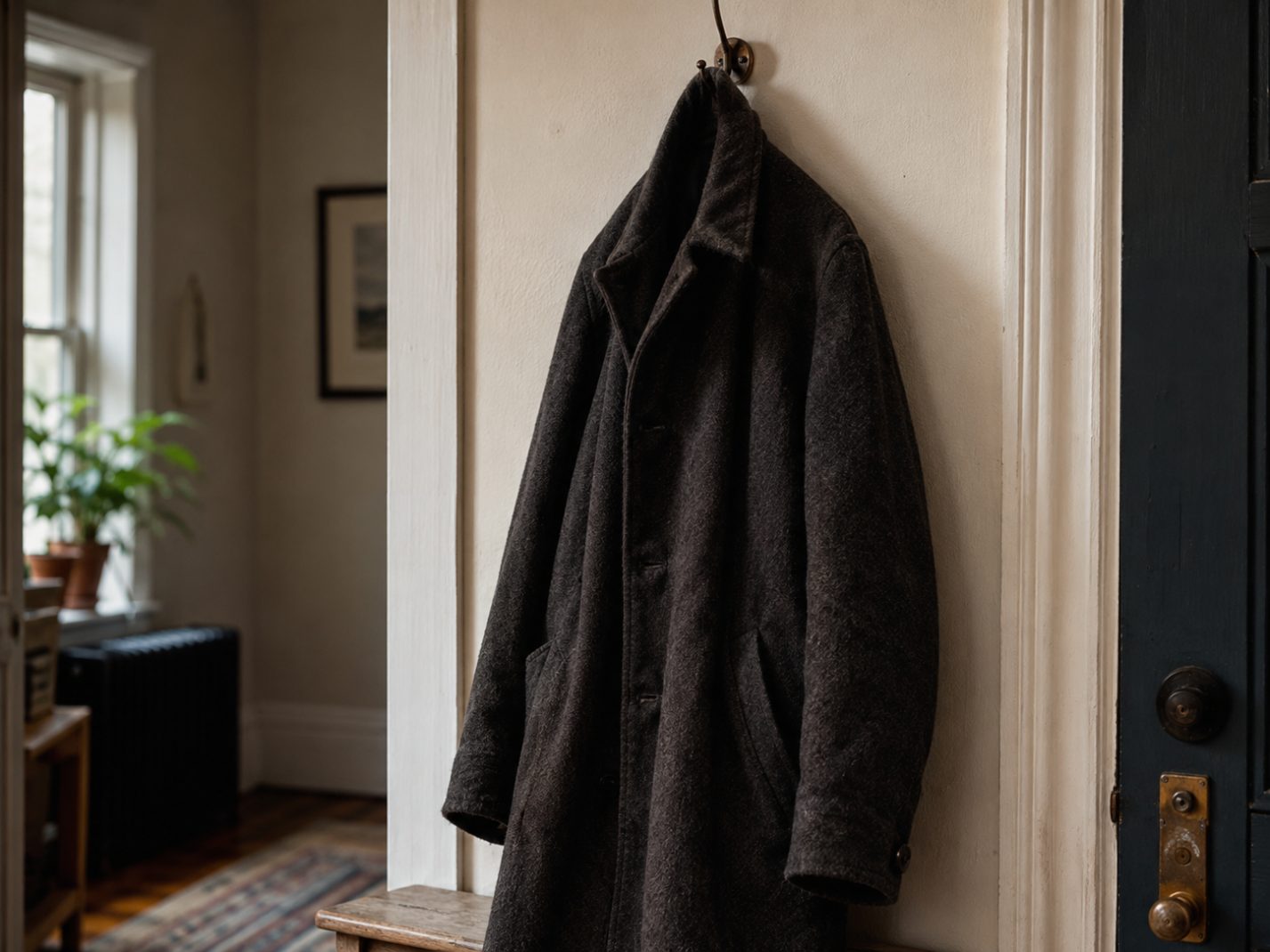
Two women buy the same wool coat in the same week, off the same rack. Three years later, one of them still reaches for it every October, the collar worn soft at the fold where it's been touched a thousand times. The other one's coat is still in the back of a closet, tag long gone, worn maybe four times before something else caught her eye.
Neither choice looked wrong at checkout. The difference appeared later, in what each woman kept wearing after the purchase stopped feeling new. What looks like personal style in the moment may not feel personal a year later. The gap often comes down to one question asked before buying. Everything else follows from that test.
Most shopping decisions are made with an audience in mind, even a small imagined one: a coworker, a partner, or whoever might see the photo. That is not a character flaw. It is simply part of how many people buy clothes. A useful test is to remove the audience and ask whether the item still earns its place.
Would this jacket still make sense if it were worn only for solo errands? Would this dress still feel worth the money without an event or photo attached to it? A wardrobe that holds together over time often starts with this filter. The goal is not to reject occasion dressing. It is to notice when the audience is the only reason the item feels desirable.
The test works best when it is tied to ordinary life rather than an imagined future self. Picture three unremarkable situations in which the item could be worn: a normal workday, a grocery run, or a familiar weekend plan. Then name what it would replace or repeat in the current wardrobe. If the answer depends on a party that may never happen, a different body, or an entirely new lifestyle, the appeal may belong to the fantasy rather than the garment. Waiting a day can make that distinction easier. Genuine preference usually survives the pause, while urgency created by novelty often does not.
They Count Cost Per Wear, Not the Price Tag
A $180 pair of boots worn every week for four winters can have a lower cost per wear than a $40 pair worn six times before the sole splits. The calculation is simple once it is written down. At checkout, however, the tag price is the only number on display.
People with consistent wardrobes tend to think about the second number. It favors a well-made sweater over a novelty piece with one season in it. It favors a bag that works for the office and the weekend over one that completes a single outfit. The habit is not about spending more. It is about expecting each purchase to earn its place for years rather than weeks.
Cost per wear does not reward neutral basics automatically. A bright coat can earn a low cost per wear if it returns every winter, while a versatile-looking blazer remains expensive if it never feels right. The useful prediction is not how many outfits the item could make in theory. It is how often the wearer is likely to choose it without needing to be persuaded.
They Judge a Piece by How It Wears, Not How It Photographs
Photos flatten texture, weight, and structure. A stiff, paper-thin blouse and a heavier, well-woven one can look almost identical on a phone screen. The difference appears after a full day of wear, repeated washing, or a packed trip. Before buying, check how the seams sit, how the fabric recovers after a gentle pinch, and what the fiber-content label says.
Home sewists and independent makers ask the same practical question when choosing material: not whether it looks good in a flat lay, but how it will behave after repeated wear and washing. Clothing shoppers can apply the same test by checking fiber content, weave, weight, and seam construction. For projects where those details matter most, some makers choose to buy fabric by the yard so they can control the material before the first cut.
They Leave Room for Pieces That Break the Pattern
A wardrobe built too rigidly around one palette or silhouette can look cohesive and still feel limiting in daily life. The most lived-in closets often include one or two pieces that break the pattern: a print found on a trip, boots outside the usual color story, or a coat that does not fit the expected aesthetic. Those pieces do not need to match everything. They only need enough real uses to justify their place.
They tend to survive because they were chosen for a genuine preference, not simply to complete a coordinated set. A closet can be consistent without being perfectly uniform. Its contradictions often reveal the wearer more clearly than another item bought only to fill a gap.
What Repetition Reveals About Personal Style
Being easy for strangers to categorize is not the test. Many people with strong, consistent personal styles resist a single label. The quieter sign is repetition: the same trusted pieces return month after month, regardless of what the season is selling.
That pattern matters more than whether a purchase fits a mood board. Ask, “Will I still reach for this in a year, after the current trend has moved on?” The pieces that pass are usually the ones bought for a reason that outlasts the fitting room. That is the difference between personal style and a well-photographed phase.