
What Makes Addiction Different for Veterans
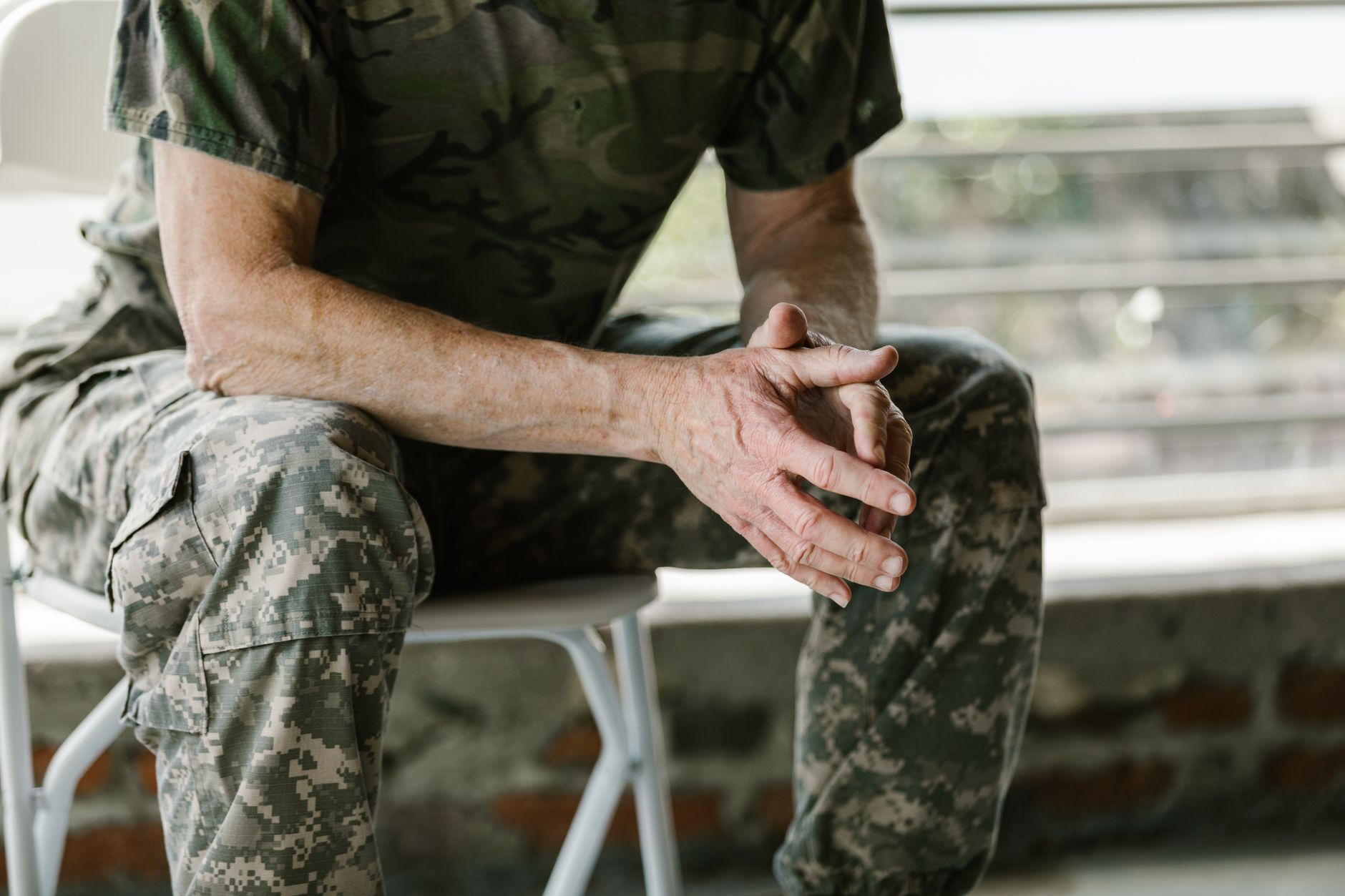
Addiction works the same way in everyone at the level of brain chemistry. What differs, and what matters clinically, is how it started and what it is holding at bay. For a large share of veterans, substance use did not begin as recreation that got out of hand. It began as a way to sleep, to quiet a nervous system that never fully stood down, to manage pain from an injury sustained in service, or to stop thinking about something specific. That origin changes what treatment has to accomplish.
It also explains why general programs sometimes fail veterans who would do well elsewhere. A person whose drinking is holding down combat memories needs those memories addressed, not just the drinking removed. Programs built around addiction treatment for veterans exist because the underlying picture is consistent enough across this population to design for, and because the barriers to asking for help are consistent too.
The Scale of the Overlap
This is not a niche presentation. According to SAMHSA, roughly 1.4 million veterans had both a mental illness and a substance use disorder in 2022. That is the standard case rather than the complicated one, and it means any program serving veterans needs to be equipped for both conditions rather than treating the substance and referring the rest out.
What Is Usually Underneath
PTSD and Combat Trauma
The most recognized driver, and still frequently untreated. Alcohol and sedatives blunt hypervigilance and intrusive memories effectively in the short term, which is exactly what makes them so difficult to give up. Someone who stops drinking without any trauma treatment in place has removed their only working strategy and been handed nothing to replace it.
Chronic Pain
This one gets less attention and affects a great many veterans. Service-related injuries, joint damage from years of load-bearing work, and surgical histories produce genuine ongoing pain, and prescription opioids were the standard answer for a long time. Dependence that begins with a legitimate prescription for real pain is a different clinical problem from recreational use, and telling someone in actual pain to simply stop is not a treatment plan. Good programs run specialty groups for chronic pain alongside addiction treatment for this reason.
Moral Injury
Distinct from PTSD and less widely understood. Moral injury refers to the lasting damage from events that violated a person’s deeply held sense of right and wrong, whether something they did, witnessed, or failed to prevent. It produces guilt and shame rather than fear, which is why trauma treatments aimed at the fear response do not fully reach it. It is also one of the hardest things for a person to say out loud, and one of the most reliably numbed by substances.
The Transition Itself
Leaving the service removes structure, purpose, rank, and an entire community in a single step. Civilian work rarely replaces what was lost, and the isolation that follows is itself a substantial risk factor. Plenty of veterans date the start of their drinking not to deployment but to the year after discharge.
Why Asking for Help Is Harder
Military training builds people who complete the mission and do not complain, which is adaptive in service and an obstacle afterward. Add to that genuine practical concerns, including how disclosure might affect a security clearance or a civilian career, and a widespread belief that others had it worse and are more deserving of help.
The result is that veterans frequently arrive at treatment far later than they should have, often after a marriage has ended or a job has gone, having managed alone for years. None of that is a character problem. It is a predictable consequence of the training working exactly as intended.
What Veteran-Specific Programming Actually Changes
The central mechanism is who else is in the room. Peer-based groups made up of other veterans generate understanding, trust, and shared experience faster than any general group can, because nobody has to explain their context before describing their problem. Programs staffed by clinicians who are veterans themselves, or who are specifically trained in military culture and issues, remove another layer of translation.
This matters most for the material people find hardest to disclose. A veteran describing moral injury among civilians who have never faced a comparable decision is bracing for a reaction. Among other veterans, that bracing is unnecessary, and what would have taken two months of building trust can happen in the first week.
What Inpatient Care Involves
One point of terminology worth clearing up, because it confuses families. Inpatient rehab for veterans typically refers to a short, highly intensive stay, commonly from a few days to a little over a week, while residential treatment runs weeks to months. Inpatient is the acute phase: stabilization, medically managed detoxification where it is needed, and the beginning of clinical work.
The days are dense. Programs commonly run group sessions several times daily, in some cases up to five, alongside individual therapy roughly weekly and daily check-in sessions with staff. The clinical content typically includes:
- Medically managed detoxification with medical monitoring throughout
- Individual counseling and group therapy
- Medication-assisted treatment where clinically indicated, with ongoing medication management
- Life skills training
- Specialty groups covering relapse prevention, chronic pain, and co-occurring disorders
Integrated programs treat the physical and emotional sides at once rather than sequentially, which is the whole point when substance use grew out of trauma and carries guilt and shame with it.
The Assessment at Admission
Identifying co-occurring conditions is not incidental; it is built into intake. Admission generally involves a psychosocial assessment, a history and physical, a medical evaluation, an assessment of detoxification needs, and a psychological evaluation. For many veterans this is the first time anyone has assessed the whole picture at once, and it frequently surfaces conditions that had been managed privately for years.
Being Honest About the Limits
Two things are worth knowing in advance. Family visitation during inpatient care is usually limited, which is difficult for households that have already spent long periods apart. And a stay of a week or so is a beginning rather than a course of treatment, which is why the discharge planning and aftercare arrangements that conclude it matter as much as the stay itself. A veteran leaving inpatient care with nothing scheduled is being returned to the same circumstances at the point of highest risk.
How It Gets Paid For
Cost stops fewer veterans than most assume, and the pathways are broader than they were:
- The VA covers medically necessary inpatient treatment for eligible veterans
- The MISSION Act expanded access to approved non-VA community care providers, which matters where VA wait times or distance are the obstacle
- Private insurance, including plans through civilian employment
- State-funded programs
- Scholarships specifically for veterans, offered by a number of treatment providers
Anyone unsure which applies should ask an admissions team to work through the options rather than assuming the answer is no.
A Path Forward for Those Who Served
The thing most veterans in recovery say afterward is some version of the same sentence: they wish they had gone years earlier, and what stopped them was the belief that they should have been able to handle it. Managing something difficult alone for a decade is not evidence that help was unnecessary. It is evidence of considerable endurance applied to a problem that responds to treatment. If any of this is familiar, an assessment is a conversation with someone who has heard it before from people who wore the same uniform. If things are more urgent than that, the Veterans Crisis Line is available by dialing 988 and pressing 1, by text, or by chat, at any hour.