
What to Do When a Plumbing Emergency Strikes at Home
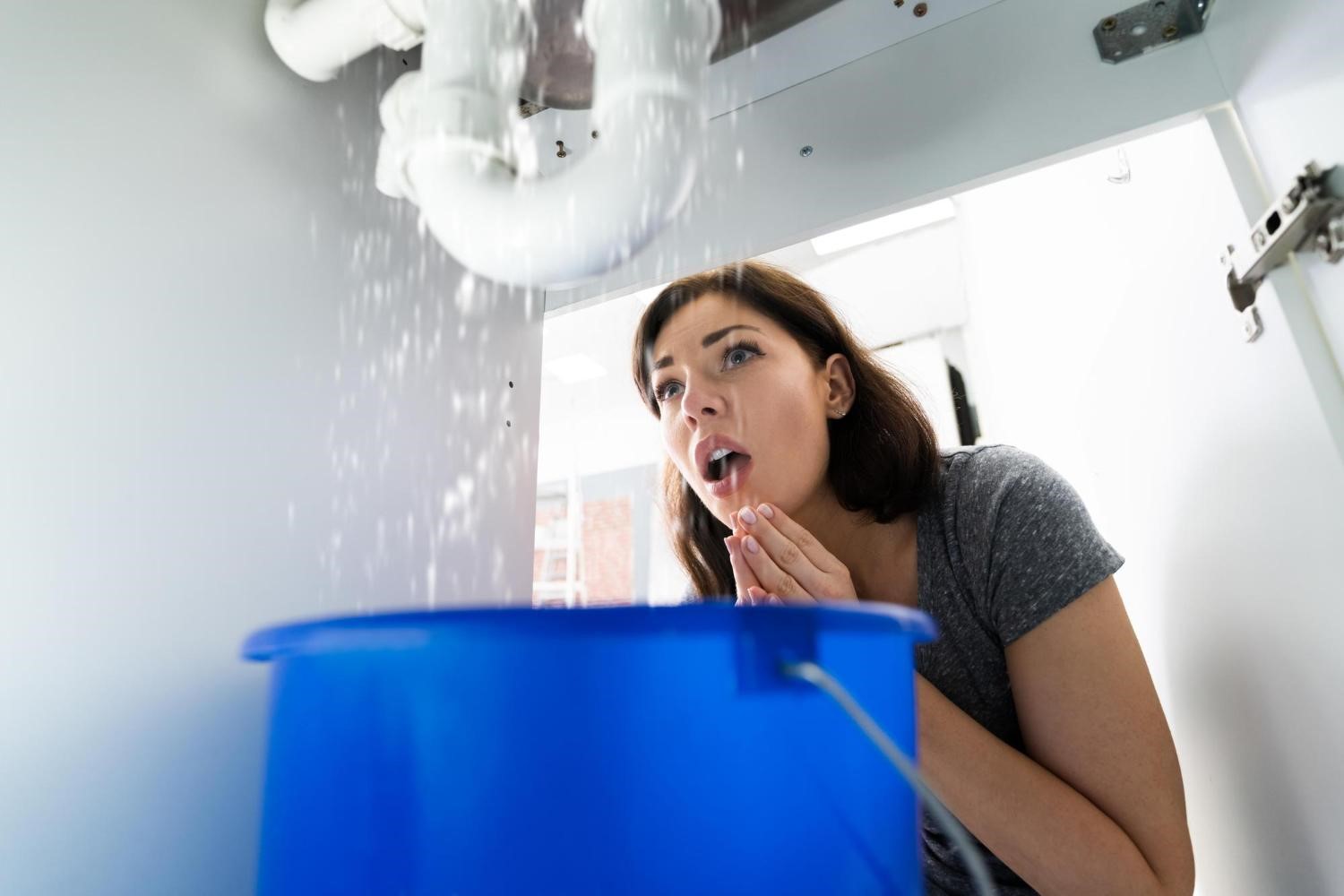
Plumbing emergencies have a cruel sense of timing. The pipe bursts on a public holiday, the hot water disappears the morning of a big event, the drain backs up just as guests arrive. In the moment, it is easy to panic, but a calm, informed response can be the difference between a minor inconvenience and thousands of dollars in damage. Knowing a few basic steps ahead of time means you can act quickly when it counts, rather than standing helplessly in a rising puddle.
Recognising a real emergency
Not every plumbing issue is a crisis. A slow-draining sink or a dripping tap can usually wait for a scheduled visit. A true emergency is something that threatens your home, your safety, or your ability to live in the space. Burst or badly leaking pipes, an overflowing toilet, a blocked drain backing up into the house, a complete loss of hot water in the depths of winter, or the smell of gas all qualify.
The common thread is that these problems get worse fast and can cause real damage if left unaddressed. Water is relentless, and even a modest leak can soak through floors, walls, and ceilings in a matter of hours. Learning to tell the difference between an annoyance and an emergency helps you respond with the right level of urgency.
Why burst pipes are more common than you might think
If you have ever wondered why pipes seem to fail out of nowhere, the ground beneath your home is often to blame. In Adelaide in particular, the soil does much of the damage. As SA Water explains, the region’s reactive clay soils, combined with an arid climate and sharp swings between hot, dry spells and cool, wet ones, are the single most common reason water mains crack and leak. The ground literally shifts as it dries out and rehydrates, stressing the pipes running through it.
That same movement affects the pipes on private property too, which is why local homes see their fair share of sudden leaks and bursts, especially as the seasons turn. Understanding this makes the occasional plumbing drama feel less like bad luck and more like a predictable part of life in the area, and a good reason to know what to do when one strikes.
First step: stop the water
In most water-related emergencies, your priority is to stop the flow. Every home has a main shut-off valve, usually near the water meter at the front of the property, and knowing where yours is before disaster strikes is one of the smartest things you can do. Turning it off cuts water to the whole house and buys you precious time.
For a localised problem, such as an overflowing toilet or a leaking fixture, you may be able to isolate just that item using the small valve behind or beneath it. It helps to know where the responsibility line sits, too: issues out in the street or at the water main are the utility’s job and can be reported to its 24/7 fault line, while leaks on your side of the meter are yours to sort out. Once the water is off, the immediate crisis is contained and you can think clearly.
Contain the damage
With the water stopped, turn your attention to limiting the mess. Move furniture, rugs, and valuables away from the affected area, and use towels or a mop to soak up standing water before it spreads. If water has reached electrical outlets or appliances, keep well clear and treat it as a safety hazard.
This is also the moment to document everything. Photograph the damage and the source if you can safely reach it, since your insurer will likely want evidence. A clear record taken at the time is far more useful than trying to reconstruct events later.
When to call a professional
Some problems are simply beyond a do-it-yourself fix, and trying to muddle through can make things worse. Persistent leaks, burst pipes, sewage backups, and anything involving gas need a licensed professional, and they often cannot wait until morning. This is where having the number of a reliable emergency service already saved becomes invaluable. An after hours plumber servicing Adelaide can respond when the problem cannot wait, tackling the issue properly before it escalates into something far more expensive.
Calling in help early is not a failure; it is often the cheapest decision you can make. A professional can find the true source of a problem, fix it correctly, and spot related issues you might have missed, saving you from a repeat emergency down the track.
Preventing the next one
Once the dust settles, a little prevention goes a long way. Keep an eye on early warning signs like reduced water pressure, unusual noises in the pipes, damp patches, or slow drains, all of which can signal trouble brewing. Simple habits, such as not pouring fats down the sink and being careful about what goes down the toilet, prevent many common blockages.
Given how much the local climate and soil work against your pipes, scheduling the occasional check-up with a trusted plumber is especially worthwhile here. It is far less stressful, and far cheaper, to fix a worn washer or a minor leak on your own schedule than to deal with the aftermath of a failure at 2am.
Keeping a cool head
A plumbing emergency is stressful, but it does not have to be a disaster. Stop the water, contain the damage, and call a professional when the situation calls for it. Do those three things, and even a burst pipe becomes a manageable problem rather than a catastrophe. A little preparation and a calm approach will carry you through almost any household water drama, and your home, and your wallet, will thank you for it.