
What to Know After a Serious Truck Crash in Greensboro
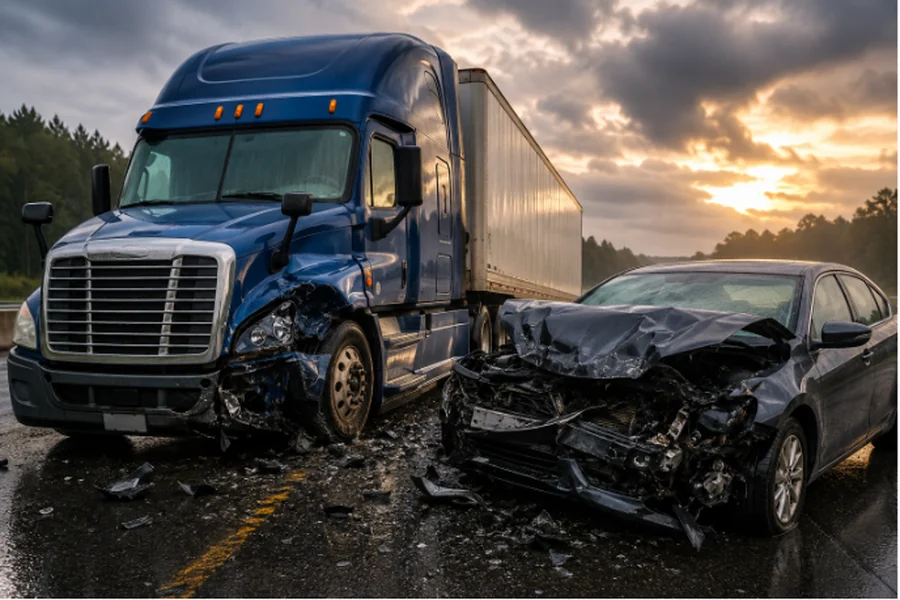
A collision with a commercial truck can change an ordinary day into a long period of medical treatment, missed work, vehicle repairs, and difficult decisions. The size and weight of tractor-trailers can make these crashes very different from ordinary passenger-vehicle accidents. After a serious wreck, the first priorities are safety, medical care, and preserving important information about what happened. A police report, photographs, medical records, witness information, vehicle data, and trucking records may later become important when responsibility and financial losses are disputed. The legal side of a truck crash can also involve more than the person behind the wheel. Depending on the circumstances, a trucking company, maintenance provider, cargo loader, vehicle manufacturer, or another party may have played a role.
Why Commercial Truck Crashes Require a Different Legal Approach
A passenger-car collision may involve two drivers and their insurance companies. A commercial trucking claim can involve several organizations, multiple insurance policies, federal safety regulations, employment relationships, and technical evidence. That difference can affect how an investigation should be handled. A tractor-trailer case may require investigators and attorneys to examine the driver’s qualifications, driving history, hours-of-service records, electronic logging device information, inspection records, maintenance history, dispatch communications, cargo documentation, and vehicle condition.
Federal Motor Carrier Safety Administration rules generally limit property-carrying drivers to 11 hours of driving after 10 consecutive hours off duty, with a 14-hour on-duty window. Drivers must also take a required 30-minute break after accumulating eight hours of driving. Electronic logging devices can also provide valuable information because they automatically record driving time and help document hours-of-service records. This evidence can become particularly important when fatigue, scheduling pressure, or violations of safety requirements are suspected.
The Evidence Can Tell a Different Story Than the First Report
One of the biggest mistakes after a major truck collision is assuming that the initial police report will contain everything needed to establish liability. It usually will not. A truck accident investigation can require reconstruction of the moments before impact. Investigators may examine skid marks, vehicle damage, roadway conditions, photographs, surveillance footage, event data, driver logs, and witness statements.
The trucking company’s own records can also matter. Some evidence may be stored electronically, while other material may exist in inspection files, maintenance records, dispatch systems, or internal communications. For example, imagine a tractor-trailer rear-ends a passenger vehicle on a busy Greensboro roadway. The driver may claim that traffic stopped unexpectedly. A deeper investigation could reveal that the driver had been operating for an excessive period, that the truck had a maintenance problem, or that the vehicle was traveling too fast for conditions. That is why evidence preservation should begin as early as reasonably possible.
Who May Be Responsible for a Greensboro Truck Wreck
Determining fault is often more complicated than simply asking who was driving.
Potentially responsible parties can include:
- The truck driver, if careless driving, distraction, impairment, fatigue, speeding, or another unsafe act contributed to the collision.
- The trucking company, if negligent hiring, training, supervision, scheduling, or other company conduct contributed to the crash.
- A maintenance contractor, if poor inspection or repair caused a mechanical failure.
- A cargo-loading company, if improperly secured or distributed cargo contributed to the wreck.
- A manufacturer, if a defective truck component played a role.
- Another motorist, if their conduct contributed to the collision.
- A third-party contractor or logistics company, depending on the relationship between the parties and the circumstances of the crash.
The exact chain of responsibility depends on the evidence. This is one reason a commercial collision should not automatically be treated as a simple driver-versus-driver insurance claim.
Common Truck Collision Scenarios in the Greensboro Area
Commercial vehicles travel through Greensboro as part of regional and interstate transportation networks. Major routes around the city connect commercial traffic with surrounding communities and larger transportation corridors. Different types of truck crashes can produce different liability questions.
Rear-End and Underride Collisions
A fully loaded truck can require substantially more distance to stop than a passenger vehicle. A rear-end collision may therefore cause extensive vehicle damage and serious injuries. Underride crashes can create another set of issues because a smaller vehicle may become trapped beneath a larger truck. Investigators may need to examine the truck’s equipment, lighting, braking system, and circumstances surrounding the collision.
Jackknife and Rollover Crashes
A jackknife can occur when the trailer swings relative to the tractor. A rollover can happen when a truck loses stability during a maneuver, collision, or other event. Speed, roadway conditions, cargo distribution, steering input, braking, and vehicle condition may all become relevant.
Cargo-Related Collisions
Cargo must be properly loaded and secured. If a load shifts, falls, or changes the truck’s balance, the resulting crash may involve questions beyond driver conduct. A careful investigation can examine loading procedures, cargo records, weight distribution, tie-down systems, and the responsibilities of everyone involved in preparing the vehicle for travel.
How a Truck Accident Claim Is Evaluated
The value of a claim is not determined simply by adding hospital bills. A serious injury may affect someone’s ability to work, require continuing treatment, or create long-term limitations. Those consequences can influence the overall damages calculation.
| Loss or Damage | What May Be Considered |
| Medical expenses | Emergency treatment, hospitalization, surgery, medication, rehabilitation, and follow-up care |
| Future medical needs | Continuing treatment, therapy, equipment, or anticipated procedures |
| Lost income | Wages missed because of the injury |
| Reduced earning capacity | Long-term impact on the ability to earn income |
| Property damage | Vehicle repair or replacement and damaged personal property |
| Pain and suffering | Physical discomfort and the broader effect of serious injuries |
| Other losses | Case-specific financial or personal consequences supported by evidence |
Future damages deserve particular attention in catastrophic injury cases. A settlement reached before the long-term medical picture is understood may not adequately reflect future treatment or reduced earning capacity. That does not mean every case should be delayed indefinitely. It means the available medical evidence should be understood before making major settlement decisions.
Why Early Legal Investigation Can Matter
A Greensboro truck accident attorney can become particularly useful when the claim involves serious injuries, disputed liability, multiple parties, or commercial insurance coverage. The attorney may review evidence, identify potentially responsible parties, communicate with insurers, evaluate damages, and determine whether litigation is appropriate. For example, if a trucking company has relevant electronic records, photographs, inspection documents, or other evidence, an early preservation request may help protect information that could become important later.
The same principle applies to witnesses and video footage. Memories can fade, surveillance systems may overwrite recordings, and physical evidence at the crash scene can change. The goal is not simply to collect more documents. The goal is to build a reliable explanation of how the collision happened and how it affected the injured person.
What Makes a Strong Claim More Persuasive
A strong claim usually has a clear connection between the accident, the responsible conduct, and the resulting losses. For someone searching for a Greensboro Truck Accident Attorney, this is an important distinction. The right legal strategy should be based on the facts of the particular collision rather than a standard checklist used for every case.
Useful evidence may include:
- The official crash report and photographs from the scene.
- Medical records connecting injuries to the collision.
- Statements from witnesses who observed the crash.
- Employment records documenting missed work or reduced earning ability.
- Vehicle inspection and repair records.
- Truck maintenance and inspection documentation.
- Driver hours-of-service and ELD information when relevant.
- Cargo and loading records.
- Available surveillance or dash-camera footage.
- Accident reconstruction evidence when the sequence of events is disputed.
The more serious the injury, the more important it becomes to understand the long-term consequences rather than focusing only on immediate expenses.
North Carolina Timing Rules Should Not Be Ignored
Time limits can affect the right to bring a personal injury lawsuit. North Carolina General Statutes § 1-52 generally provides a three-year limitation period for actions involving injury to the person, although specific circumstances can create different rules or exceptions. A deadline should never be treated as a reason to wait until the final months to investigate a claim.
Building a truck accident case can require time to obtain records, consult experts, review medical information, identify responsible parties, and assess damages. Special circumstances may also apply in cases involving government entities, wrongful death, minors, or other legal issues. A qualified North Carolina attorney should review the specific facts and applicable deadlines.
What to Expect During the Claims Process
Truck accident claims can move through several stages. The process may begin with an investigation and evidence collection. Medical treatment and documentation of injuries often continue at the same time. Once the evidence and damages are better understood, a demand may be presented to the applicable insurer or insurers. Negotiations can follow.
Some claims resolve through settlement. Others proceed to litigation when the parties cannot agree about liability or fair compensation. The presence of a lawsuit does not necessarily mean a case will go to trial. Many civil claims are resolved before a jury reaches a verdict. The important point is that the injured person’s legal strategy should reflect the evidence, medical outlook, financial losses, and strength of the liability case.
Questions to Ask Before Hiring a Truck Accident Lawyer
Choosing representation is an important decision after a serious collision. A prospective client should understand how the attorney approaches commercial trucking cases and how communication will work throughout the claim.
Consider asking:
- How much of the firm’s practice involves truck and commercial vehicle collisions?
- Who will investigate the crash and preserve evidence?
- How does the firm handle trucking company records and electronic evidence?
- Will the attorney personally handle negotiations and litigation?
- How are fees and case expenses explained before representation begins?
- What potential parties and insurance policies will be investigated?
- How will future medical needs and lost earning capacity be evaluated?
The answers can reveal whether an attorney has a process designed for complex truck cases rather than only routine vehicle claims.
Conclusion
A serious commercial truck collision can create problems that extend far beyond the damaged vehicle. Medical treatment, lost income, long-term limitations, insurance negotiations, and questions about liability can quickly become overwhelming. The strongest approach is usually grounded in evidence. That means understanding how the crash happened, identifying every potentially responsible party, documenting the injuries, calculating both present and future losses, and paying attention to the legal deadlines that apply in North Carolina. Early action can also help protect important evidence before it disappears or becomes harder to obtain. If the collision involved a tractor-trailer, delivery truck, or another commercial vehicle, getting case-specific legal advice can help an injured person understand the available options before making an important settlement decision.