
Why A Dust Extractor Is Essential For Cleaner And Safer Working Environments
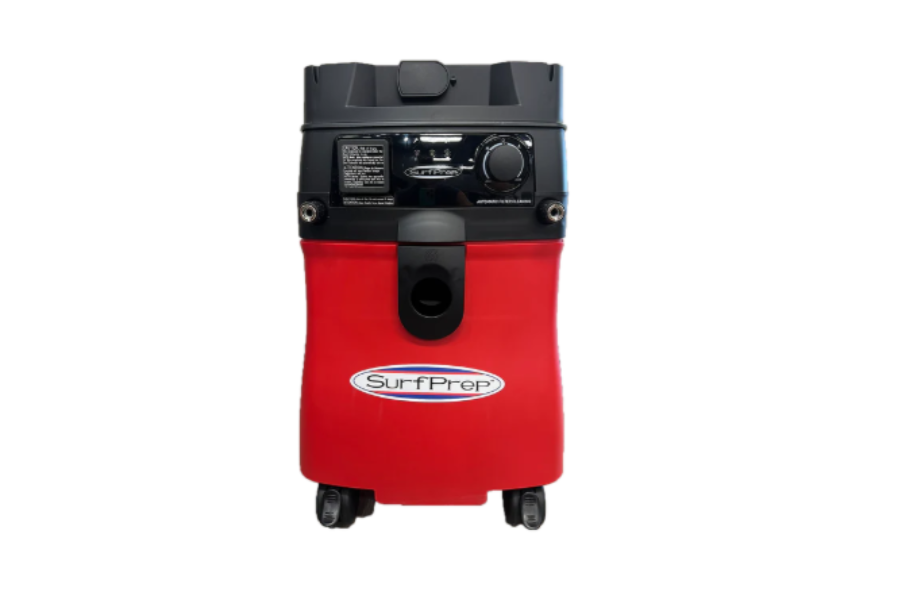
If you regularly sand cabinets, furniture, or wood surfaces, you already know how quickly fine dust can become a challenge. The dust created during the sanding process may spread over your workshop, settle on tools and equipment and impact the quality of your finished work unless the dust is managed correctly. Beyond creating additional cleanup, airborne sanding dust can make long working sessions less comfortable and create unnecessary interruptions during your workflow.
However, dust does not have to be an unavoidable part of professional sanding. A professional dust extraction system collects the dust particles as they are formed. This assists you in having better control of your working area, besides minimizing the dust that gets onto the surrounding surfaces. It also helps create cleaner work surfaces, a safer working environment, and an efficient sanding process throughout.
In the following sections, you will discover how dust extraction helps you control sanding challenges, protect your work quality, and create a more efficient working environment.
1. Reduces Exposure to Fine Sanding Dust for a Healthier Workplace
Sanding different materials creates fine particles that can quickly become airborne during the process. Unlike larger debris, these small particles can remain suspended around your work area and may be difficult to remove once they spread. A dust extractor captures these particles close to the sanding tool, helping reduce the amount of dust circulating around you.
This becomes even more important when sanding is part of your daily work routine. A professional who spends several hours preparing surfaces needs a way to manage the dust that continuously accumulates during repeated sanding activities. Capturing dust as it is created helps maintain a more comfortable working environment during long projects.
By keeping fine dust contained from the beginning, you can create better working conditions for yourself and your team. Instead of allowing particles to move through your workspace, you can focus on accurate sanding while maintaining a cleaner air space. This makes dust extraction an important step in responsible sanding practices.
2. Keeps Workspaces Cleaner by Preventing Dust from Spreading
Even though sanding typically takes place in one area , dust does not remain in the same place. The fine particles move between the benches, tools, equipment, and unfinished materials and cause a broader cleanup issue. A dust extraction system assists in avoiding this spread by removing the dust as you work rather than letting it settle all around your workshop.
This is particularly useful in workplaces where multiple projects might be moving simultaneously. An organized workspace enables you to set up materials, protect unfinished surfaces, and switch tasks without having to deal with dust accumulation all the time. Consequently, your workshop remains better equipped to carry out continuous sanding work.
In addition to the maintenance of clean surfaces, dust control also contributes to the maintenance of your tools and equipment. Fewer residues around your workplace would imply fewer distractions and less cleanup after every project. With dust kept under control, you can maintain a more efficient and organized working area.
3. Improves Finish Quality by Preventing Dust Contamination
For professional sanding projects, surface preparation plays a major role in the final appearance. Even small dust particles left behind before painting, staining, or coating can affect how smoothly finishing materials apply. By collecting dust during sanding, you can create a cleaner surface that is ready for the next stage of the process.
This matters because finishing corrections often requires additional time and effort. When particles settle back onto a prepared surface, they can create uneven surface textures or visible imperfections that affect the final result. Effective dust extraction helps reduce these problems by keeping unwanted debris away from your work area.
A cleaner sanding process allows you to focus on precision instead of correcting avoidable issues. Whether you are working on cabinetry, furniture, or detailed wood surfaces, controlling dust helps you maintain consistency from preparation through completion. Better surface conditions support the level of quality expected in professional finishing work.
4. Boosts Productivity by Simplifying the Sanding and Cleanup Process
Professional sanding requires focus, accuracy, and time, so unnecessary interruptions can slow down your progress. Without proper dust collection, you may need to stop frequently to remove dust buildup, clean surfaces, or prepare your work area again before continuing. A dust extractor helps reduce these interruptions by managing particles while you sand.
When dust is collected during the sanding process, you can maintain clearer visibility and move through tasks more efficiently. This allows you to inspect surfaces, make adjustments, and continue working without repeated cleanup breaks. As a result, your overall workflow becomes easier to manage from preparation to finishing.
For professionals handling regular projects, small time savings can add up over the course of a week. Spending less time dealing with dust allows you to focus more on craftsmanship and completing work on schedule. A well-managed sanding process helps you get more value from every project while maintaining consistent quality.
5. Supports Safer Sanding Operations with Better Dust Visibility and Control
A safe sanding environment depends on having proper control over the entire process. When excess dust builds up around your work area, it can make it harder to see surface details and evaluate your progress accurately. Effective dust collection helps maintain clearer visibility, allowing you to work with greater awareness.
This improved visibility is especially useful when handling detailed sanding tasks that require careful attention. Being able to clearly see the surface helps you identify areas that need additional work and avoid unnecessary mistakes. By reducing dust interference, extraction supports more controlled sanding decisions.
Creating a safer operation is not only about removing visible mess but also about improving how you work. When your tools, surfaces, and surroundings remain easier to manage, you can maintain better focus throughout each task. This creates a more predictable sanding environment where accuracy and safety work together.
Conclusion
A dust extractor is more than a way to remove sanding residue after a project. It is an important part of creating a professional sanding environment where dust is managed from the moment it is created.
By improving air quality, protecting surfaces, and supporting a smoother workflow, effective dust extraction helps you work with greater confidence. Whether you are completing small projects or managing regular professional work, better dust control helps you achieve consistent results.