
Why Amazon Van Crashes Are More Complicated Than Regular Accidents
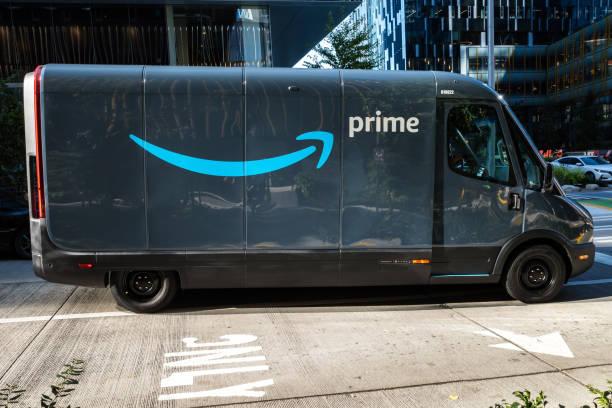
Amazon van crashes are legally more complex than regular accidents because they involve layered contractor relationships, multiple insurance policies, and corporate liability structures. The moment an Amazon van hits your vehicle, you are no longer dealing with just one driver and one insurer.
Most crash victims do not realize how quickly Amazon and its partners move to protect themselves. If you have been hurt in one of these collisions, you need someone who will fight for the compensation you deserve. Knowing what makes these cases different puts you in a stronger position from day one.
The Contractor Structure Is the Core Complication
Amazon does not employ most of its delivery drivers directly. It uses a delivery service partner program where independent businesses hire the drivers and operate the vans. This single fact changes everything about how liability is determined after a crash.
Who Is Actually Responsible?
When you file a claim, the question is not just who drove the van. It is whether the DSP or Amazon bears responsibility and to what degree. Courts across the country are still debating where that liability line falls.
How Amazon Uses This Structure
Amazon designed the DSP model partly to insulate itself from direct legal claims. In a regular accident, liability is usually clear. Here, it is deliberately layered.
How Amazon’s Control Changes the Legal Picture
The DSP defense does not always hold up in court. Amazon controls driver routes through its app, sets strict delivery quotas, and monitors driver speed in real time. Under agency law, this level of control can make Amazon legally responsible even when the driver is a third-party employee.
What Attorneys Look For
Attorneys use internal Amazon delivery data and DSP agreements to establish this control. This evidence is documented and traceable. It is what separates these cases from a standard contractor accident.
Insurance Layers That Complicate Your Claim
In a standard accident, one policy typically covers the at-fault driver. In an Amazon van crash, multiple policies may apply:
- The DSP’s commercial auto policy
- Amazon’s excess liability coverage, which can exceed $1 million
- The driver’s personal insurance is limited in certain circumstances
- Amazon’s self-insured retention pool, managed internally
Each insurer has its own legal team working to minimize payout. They dispute fault, question injuries, and argue over which policy is primary. This does not happen in a regular crash claim.
Driver Pressure and Negligence
Amazon drivers are required to complete up to 250 stops per shift under tight time windows. This is tracked by algorithm and tied to the DSP’s contract performance scores. The Federal Motor Carrier Safety Administration sets conduct standards for commercial drivers, and violations of those standards strengthen a negligence claim.
This differs from a regular driver who made a bad decision. Here, the negligent behavior is often a direct result of a corporate system built around speed and volume.
Evidence That Is Harder to Get
After a regular accident, evidence collection is fairly simple. After an Amazon van crash, the key evidence is held by the corporation:
- Real-time GPS and route logs from Amazon’s delivery app
- Driver speed and performance data recorded during the shift
- DSP contract terms defining how drivers must operate
- Internal communications about delivery quotas
Companies do not release this data voluntarily. Subpoenas and formal discovery are typically required. Starting the legal process early matters far more than in a standard accident case.
Key Takeaways
- Amazon van crashes involve contractor structures, corporate liability disputes, and layered insurance policies.
- The DSP model distances Amazon from direct responsibility, but courts often look past it.
- Amazon’s real-time control over drivers can establish liability despite the contractor relationship.
- Multiple insurers are involved, and each works to minimize its share of the payout.
- Driver negligence often stems from corporate quota pressure, not just individual error.
- Key evidence is held by Amazon and requires legal action to obtain.
- Early legal involvement is critical because corporate defendants move fast to protect their position.