
Why the First Two Weeks Shape Every Motorcycle Injury Claim
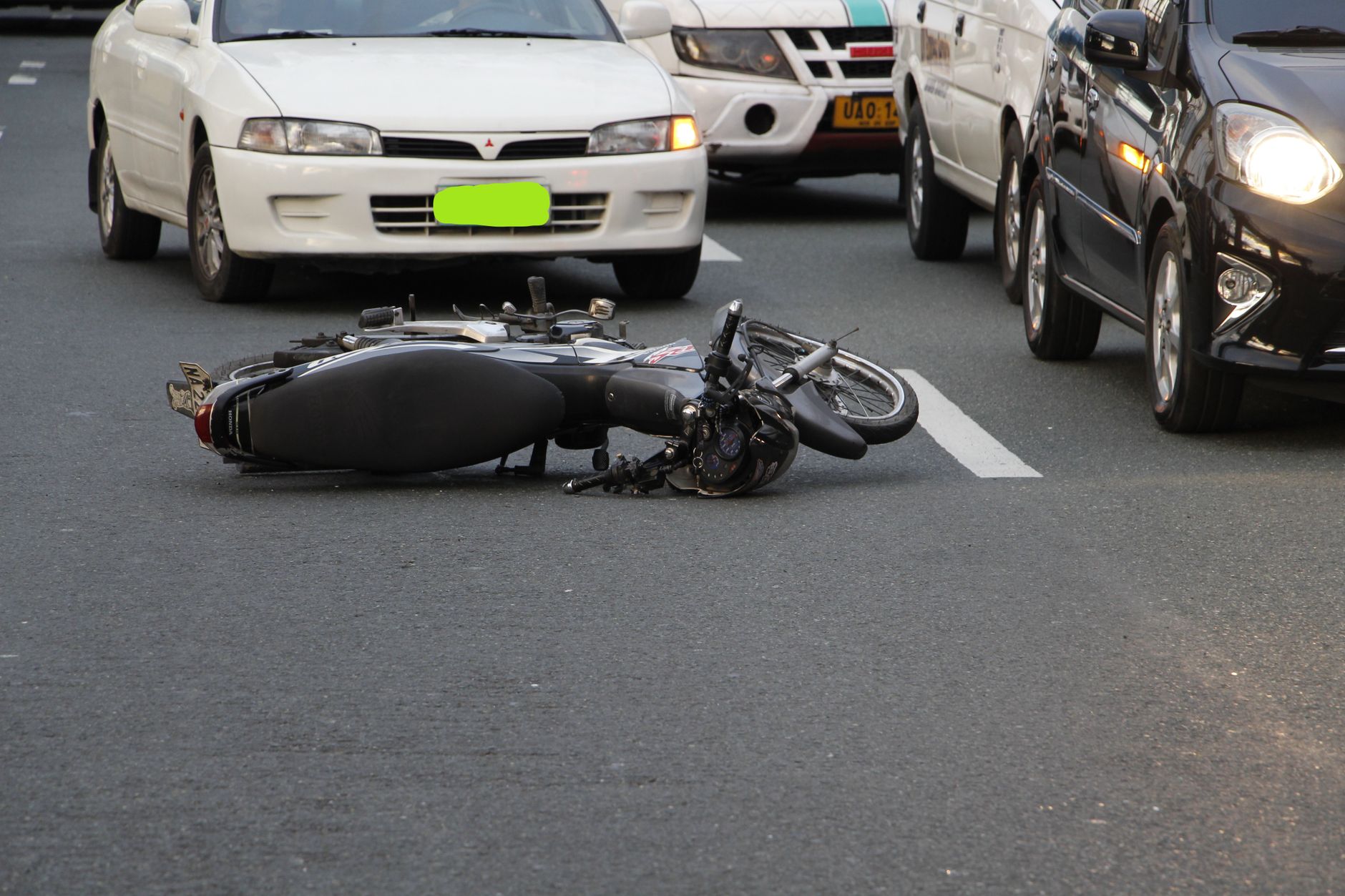
Most riders never think about legal help after a motorcycle accident until days after the wreck, once the shock wears off and the bills start showing up. By then, some of what could have protected the claim is already gone. The stakes are real. Motorcyclists are almost 27 times more likely than someone riding in a car to die in a crash, and nearly five times more likely to get hurt, based on the newest mileage data from the National Highway Traffic Safety Administration.
Here is the part most riders get wrong. They assume the outcome gets decided later, somewhere down the road, once a lawyer steps in or a case heads toward a courtroom. In reality, the shape of the claim usually forms in the first two weeks. That is when evidence disappears, memories blur, and the insurance company starts building its own version of events. By the time many riders finally make a call, some of that value is already gone, not because anyone did something wrong, but because nobody protected it in time.
The fix is not complicated. It just has to happen fast, and it has almost nothing to do with legal knowledge. Most of it is closer to habit than strategy, the kind of thing a rider could do without ever opening a law book. It comes down to nine small habits in the days right after a crash, and none of them require waiting for anyone’s permission to start.
Get checked out even if you feel fine
Adrenaline hides pain. Riders sometimes walk away from a wreck feeling steady, then wake up the next morning unable to turn their neck or grip a coffee cup without wincing. A same-day medical exam does two things. It catches injuries before they worsen, and it creates a timestamped record linking the crash to the injury. Wait a week, and an insurer has an opening to argue something else caused the pain.
Head injuries deserve extra attention here. They can look mild at first, then worsen over the following days as swelling or bleeding develops slowly. The CDC’s list of concussion danger signs is worth reviewing for anyone who took a hit to the head, even a minor one, since some of the more serious symptoms do not show up right away.
Call it in and get an official report
A police report anchors the timeline. It records the date, location, people involved, and often an early read on how the collision happened. Without one, the case can quietly turn into one person’s word against another’s, which makes everything that follows harder to prove.
Photograph the scene before it disappears
Skid marks fade within days. Debris gets swept up. Road crews patch potholes fast once someone reports them. Get pictures of the bike’s position, the road surface, vehicle damage, and any visible injuries or gear damage. If a phone is not within reach, ask someone nearby to grab the shots before the scene gets cleared.
Get names and numbers on the spot
Witnesses scatter quickly, and most people never think to write anything down before they leave. A name and phone number, even scribbled on a receipt, can end up mattering more later than it seems at the moment, especially if the other driver’s account changes over time.
Be careful with recorded statements
An adjuster may call within a day or two asking for a recorded account of the crash. Adjusters evaluate claims professionally, but their questions are built to gather information the insurer can use when assessing the claim, not necessarily information that helps the rider. It is reasonable to hold off on a recorded statement until the injuries and facts are clearer, and to get a second opinion before answering anything on the record. There is rarely a deadline that requires answering on the spot, no matter how the call is framed.
Watch what gets said, even casually
“I’m fine” or “I probably should have seen him coming” are easy things to say in the confusion right after a crash. They are also the kind of lines that resurface later in a claims file. Sticking to the facts and skipping the guesswork about fault protects the record, even in conversations that feel informal at the time.
Hold onto the damaged gear
A helmet, riding jacket, and the bike itself are physical evidence. None of it should be repaired, cleaned, or thrown out before it has been documented. A cracked helmet shell can say more about impact force than a page of testimony ever could.
Physical evidence from the scene often carries more weight than anything written down afterward. That is worth remembering before a torn jacket ends up in the trash or a bent handlebar gets swapped out at the shop.
Track every dollar lost
A simple running list, started on day one, makes the financial picture much easier to show later. Worth keeping track of:
- Missed shifts and lost wages
- Mileage driven to medical appointments
- Prescription and treatment costs
- Rideshare or repair costs while the bike is out of commission
Small expenses add up fast, and a receipt saved today is much easier to produce than one requested from memory months later.
Understand that shared fault does not always end a claim
Many states use some version of comparative negligence, which generally lets a rider recover compensation even if they share part of the blame for the crash, as long as their share stays under a set threshold. The exact rule and cutoff vary by state, so it is worth confirming the specifics with someone familiar with local law rather than assuming the worst after a wreck. Riders sometimes stay quiet about a claim entirely because they think partial fault rules them out, when that usually is not the case.
The Two-Week Window Starts Now
If a crash happened recently and none of this has been documented yet, start now. Gather whatever photos already exist, write down what is remembered while it is still fresh, and request a copy of the police report if one was filed. Pull together receipts and pay stubs showing what the collision has already cost.
From there, reach out to a firm that focuses specifically on motorcycle injury claims, since these cases involve different insurance dynamics than a typical car accident and often draw more scrutiny toward the rider than the other driver. A short conversation costs nothing, and it usually makes clear whether the evidence gathered so far is enough, or what still needs to be pinned down before it disappears for good. Waiting rarely improves a claim. It just gives the version of events built by someone else more time to set.