
Why affordable luxury is reshaping the perfume market
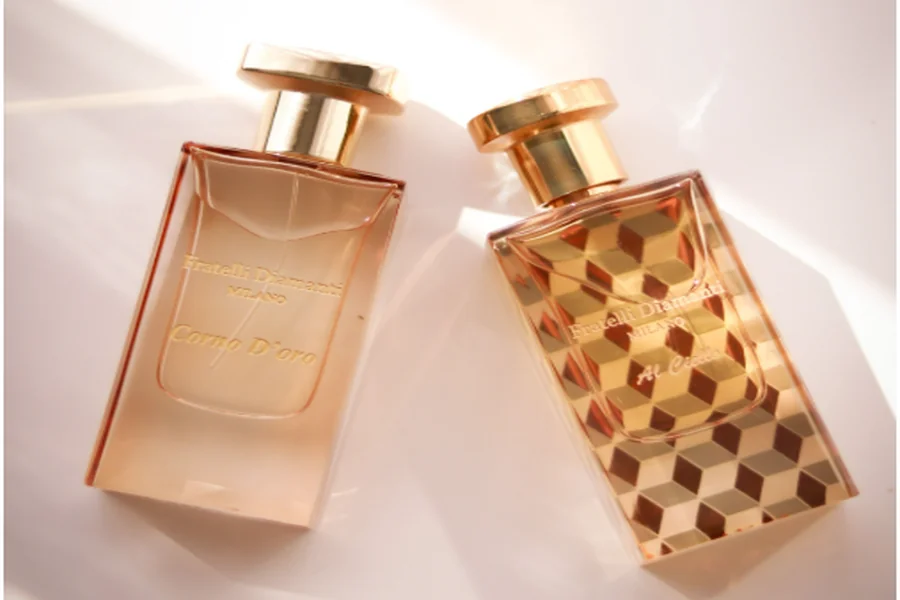
Fragrance shopping used to feel like picking between breaking the bank for a fancy bottle or settling for a drugstore scent that vanished by lunchtime. Now, that forgotten middle ground is booming, and it’s shaking up the entire industry.
Once upon a time, the good, expensive stuff was locked up behind glass. Salespeople would size you up, especially if you looked too young or not serious enough. But things have changed. These days, shoppers want the thrill of luxury without having to fork over a fortune, and brands are hustling to catch up. This shift isn’t some social media fad that’s here today, gone tomorrow. The way perfumes are made, marketed and sold is changing.
The dupe economy has gone mainstream
Perfume dupes, the budget-friendly versions that mimic high-end favorites, used to be niche. Maybe you’d spot a tip on a forum or see something buried on Reddit. Now? It’s everywhere. Social media turned fragrance dupes into a team sport: Entire communities obsess over tracking down that $20 bottle that gives you almost exactly what you’d get for $200. Industry data from Circana and Grand View Research shows mid-priced fragrances made up about 45% of the market in 2025, and mass fragrance sales jumped by 17%. Prestige brands? They only grew by 6%. That number says it all; shoppers want more for their money, period.
There’s a crop of retailers riding this wave, too. Take TheDuaBrand.com, for example. Everything about their shop, from the endless “New Arrivals” and “Best Sellers” lists to entire collections, hits on one clear theme: Luxury scents, minus the scary price tag. You’ll spot bestsellers like the Abercrombie and Fitch Fierce dupe to niche designers, all lined up at easy-to-say-yes-to prices. That now-famous Fierce dupe? It’s right up there at the top, with shoppers loving that familiar, warm and woody vibe, just without coughing up the big bucks.
Legacy brands are feeling the pressure
Big-name brands aren’t snoozing on this. Those old-school luxe houses are watching more affordable lines eat into their turf, so some are launching their own budget-friendly options instead of fighting the trend. Balmain Beauty, for example, dropped its first prestige fragrance, Destin de Balmain, in February 2026, linking their signature fashion house vibe to a scent and offering a refillable bottle to help buyers save cash over time, Formes de Luxe reports.
Around the same time, Nykaa opened its first in-mall fragrance concept in Mumbai, packing everything from designer hits to niche gems under one inviting roof. The message couldn’t be clearer: Even the brands built on exclusivity now realize that ignoring shoppers who care about price means losing them, maybe forever.
Gen Z is rewriting the rules of scent shopping
Younger shoppers? They don’t stick to one signature scent the way older generations did. Instead, you’ll find them building “scent wardrobes”, switching fragrances like they switch clothes, and dupes make that kind of experimenting possible. Only 14% of U.S. beauty buyers think a higher price equals better quality, according to Circana.
This means plenty of people are happy hunting down their next favorite wherever the deal is best. Online creators keep this momentum going, too, putting designer originals head-to-head with their low-cost twins. Suddenly, talking about price isn’t awkward anymore, it’s just part of the fun.
Affordable luxury is taking center stage
Affordable luxury showed up loud and clear, powered by social media, smarter shoppers and a real craving for feeling luxe without the crazy price.
The long-standing houses are finding new ways to stay in the game, brands focused on accessible scents are thriving and the whole market is being rewritten. These days, luxury doesn’t mean luxury prices.