
Beyond the Single Artwork: How Independent Artists Are Using AI Video for Releases

Dropping a new single used to mean a cover image, a Spotify link, and maybe a lyric video if there was budget and time left over. That’s no longer enough. Platforms reward video now — Instagram Reels, TikTok, YouTube Shorts — and an artist without any moving content around a release is competing at a real disadvantage against acts with a full-time social team behind them, even when the music itself is just as strong.
The Gap Between Making Music and Marketing It
Most independent artists are already stretched thin between writing, recording, and performing. Video production has traditionally sat outside that skill set entirely — it means either learning editing software from scratch, paying a freelancer per release, or skipping visual content and hoping the music carries itself on streaming algorithms alone.
That last option rarely works as well as artists hope. A single with even a simple, well-timed visual — a lyric reel, a mood-driven clip synced to the hook, a behind-the-scenes moment from the studio — tends to outperform a release with no supporting content at all, purely because it gives listeners something to actually share. This is where tools like the Pollo AI video generator have started filling a real gap for independent musicians: turning existing photos, studio footage, or a simple creative brief into a finished short video without requiring editing experience or a production budget most emerging artists simply don’t have.
What This Looks Like Around an Actual Release
Picture a typical single rollout: a teaser clip a week before release, a lyric-focused video for the release day itself, and a handful of shorter cutdowns for social platforms in the weeks after. Handled manually, that’s a meaningful production workload layered on top of everything else that goes into putting out a song. Generated from existing assets — studio photos, a mood board, raw phone footage from a session — that same rollout becomes something one person can realistically produce alongside everything else on their plate.
This isn’t about replacing a proper, artist-directed music video for a lead single — that’s still worth investing in when the budget allows. It’s about covering the much larger volume of everyday content a release actually needs: the teasers, the lyric clips, the social cutdowns that keep a rollout visible in the weeks it needs attention most.
Getting the Soundtrack Right, Not Just the Visuals
Video is only half the equation for promotional content — the other half is making sure whatever plays under a teaser or behind-the-scenes clip is properly licensed, especially for content that isn’t the single itself. Artlist AI is a well-established resource here, offering a catalog of commercially cleared music and sound effects for exactly this kind of supporting content, and Pollo AI connects directly into it, letting an artist pull licensed audio into a generated video without leaving the workflow to search a separate library.
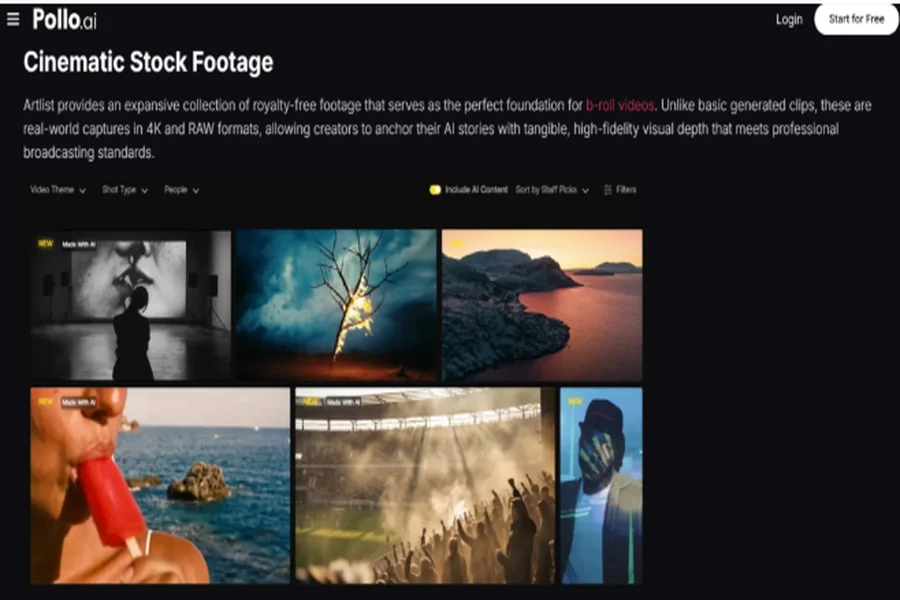
This matters more than it might seem. Teaser clips, studio vlogs, and behind-the-scenes content often need a different piece of music than the release itself — something that sets a mood without competing with the single — and having Artlist AI available in the same place as the video generation tool removes one more step between an idea and a finished, publishable clip.
Building a Rollout You Can Actually Sustain
Artists who keep a consistent content presence around their releases tend to plan the visual side alongside the music itself, not as an afterthought once the single is already mixed and mastered. That means thinking about what a teaser clip needs, what a lyric video needs, and what a few weeks of social cutdowns need, while a project is still being finished — not scrambling to produce all of it in the final days before release.
It also helps to build a small library of usable raw material during the creative process itself — studio photos, short phone clips from sessions, behind-the-scenes moments — so there’s always something to work with when it’s time to generate promotional content, rather than starting from nothing once the song is done.
Getting Started With Your Next Release
If your last few releases went out with little or no supporting video, start with your next single. Before it’s finished, gather a handful of photos or clips from the process, and generate one short teaser and one lyric-focused clip well before release day. Compare the engagement against a previous release that went out with only a cover image.
For most independent artists, the goal isn’t cinematic production value — it’s simply giving a release enough visual presence that it has a chance to travel beyond the small circle of people already following the project closely. A few short, well-timed clips usually do more for that than one expensive video made once and never followed up on.