
Building a Maintenance Routine That Fits a Busy Warehouse
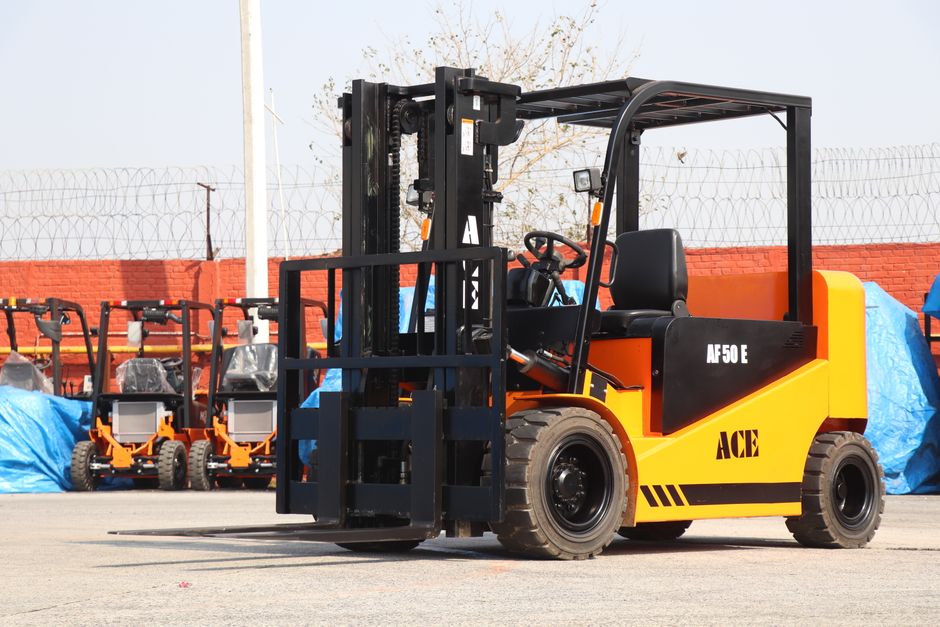
A warehouse rarely slows down long enough for anyone to plan around it. Orders move in and out, schedules shift by the hour, and the forklifts carrying most of that weight are expected to run without complaint. In that kind of environment, maintenance tends to get pushed aside until something forces the issue. A routine that actually holds up has to work with the pace of the floor rather than against it, fitting into the gaps between shifts instead of demanding hours the team does not have.
The value of a steady routine shows up long before a breakdown does. Forklifts that receive regular attention hold their performance, move loads more predictably, and give operators fewer surprises during a shift. The goal is not a perfect system on paper but a rhythm the crew can follow even on the busiest days.
Keeping Equipment Ready for the Next Shift
A high-volume warehouse runs its forklifts hard, and the machines that hold up best are the ones that get consistent care. Caterpillar forklifts are a common sight in most warehouses, where there’s heavy, repetitive work. As good as they are, they need periodic maintenance to stay in top shape. Once a worn component gives out, it can pull a machine off the floor at the worst possible moment, stalling the work until the fix is in hand. The fastest way back to full capacity is a dependable source for Caterpillar forklift parts since aftermarket replacements restore a machine without a long wait on supply.
Reading the Machine Before It Speaks Up
Operators spend more time with the equipment than anyone, which makes them the earliest warning system a warehouse has. A machine that hesitates before it responds, pulls to one side, or sounds different than it did last week is telling the crew something. The trouble is that these signals are easy to ignore when the floor is moving fast, and the load count is climbing.
Building a short check into the start of each shift changes that. Before a forklift picks up its first load, an operator can look over the tires, test the controls, and listen to the engine for anything out of the ordinary. None of this takes long, and it costs far less than the time lost to a machine that quits in the middle of a run. A warehouse that treats these small observations as part of the job catches trouble while it is still minor.
Fitting Inspections Into a Full Day
The hardest part of any maintenance plan is finding room for it. A busy warehouse cannot stop everything for a lengthy inspection, so the routine has to be broken into pieces small enough to survive a packed schedule. A quick visual check at shift change, a slightly longer look once a week, and a fuller review on a set date each month spread the work out without draining the floor.
The trick is consistency rather than intensity. A five-minute inspection that happens every day tells a warehouse far more than a thorough one that only happens when someone remembers. When the checks land at the same points in the schedule, they become habit, and habit is what keeps a routine alive once the initial enthusiasm fades. Assigning each check to a specific person removes the confusion about who is responsible and makes it far more likely the work gets done.
Writing Down What Actually Happens
Memory is a poor record keeper in a warehouse where dozens of things demand attention at once. A machine that acted up two weeks ago is easy to forget, and without a record, patterns stay hidden. A simple log fixes this. Each time a forklift is checked or serviced, a short note about what was found builds a history the whole team can use.
That history quickly earns its keep. A recurring issue on the same machine points to a deeper cause worth addressing before it grows. A log also helps a warehouse plan ahead, since a machine with a long record of hard use can be watched more closely than one that has run clean for months. Over time, these notes turn scattered observations into a clear picture of how the fleet is holding up.
Training Operators to Care for the Fleet
A maintenance routine only works if the people running the equipment understand their part in it. Operators who know how their machines behave, and who feel responsible for flagging problems, become an active line of defense rather than a group waiting to be told what to do. Training does not have to be formal or long. A short walkthrough covering what to look for, what sounds signal trouble, and how to report a concern gives operators the confidence to speak up early.
That sense of ownership pays off across the whole floor. When operators treat the equipment as something they help keep running rather than something they simply use, small issues get raised before they become large ones. A warehouse that invests a little time in this kind of awareness ends up with a crew that protects its own tools.
Planning Around Peak Seasons
Every warehouse has stretches when the pace climbs, and the equipment runs harder than usual. These busy periods are exactly when a maintenance routine is most likely to slip, because the pressure to keep moving overrides everything else. Planning for them in advance keeps the routine from collapsing under the strain.
Scheduling heavier reviews before a peak season begins puts the fleet in the best possible shape ahead of the demand. Once the rush is underway, the daily checks carry the load, catching anything that develops while the deeper work waits for a quieter window. A warehouse that anticipates its busy stretches rather than reacting to them keeps its equipment steady through the times it matters most.
A maintenance routine built this way does not fight the warehouse for time. It settles into the flow of the floor, spreads its work across the schedule, and turns upkeep into something the crew does almost without thinking. That is what keeps the equipment moving when the pressure is highest.