
What Are AI Glasses Doing to Your Eyes? The Fashion-Tech Reality Check
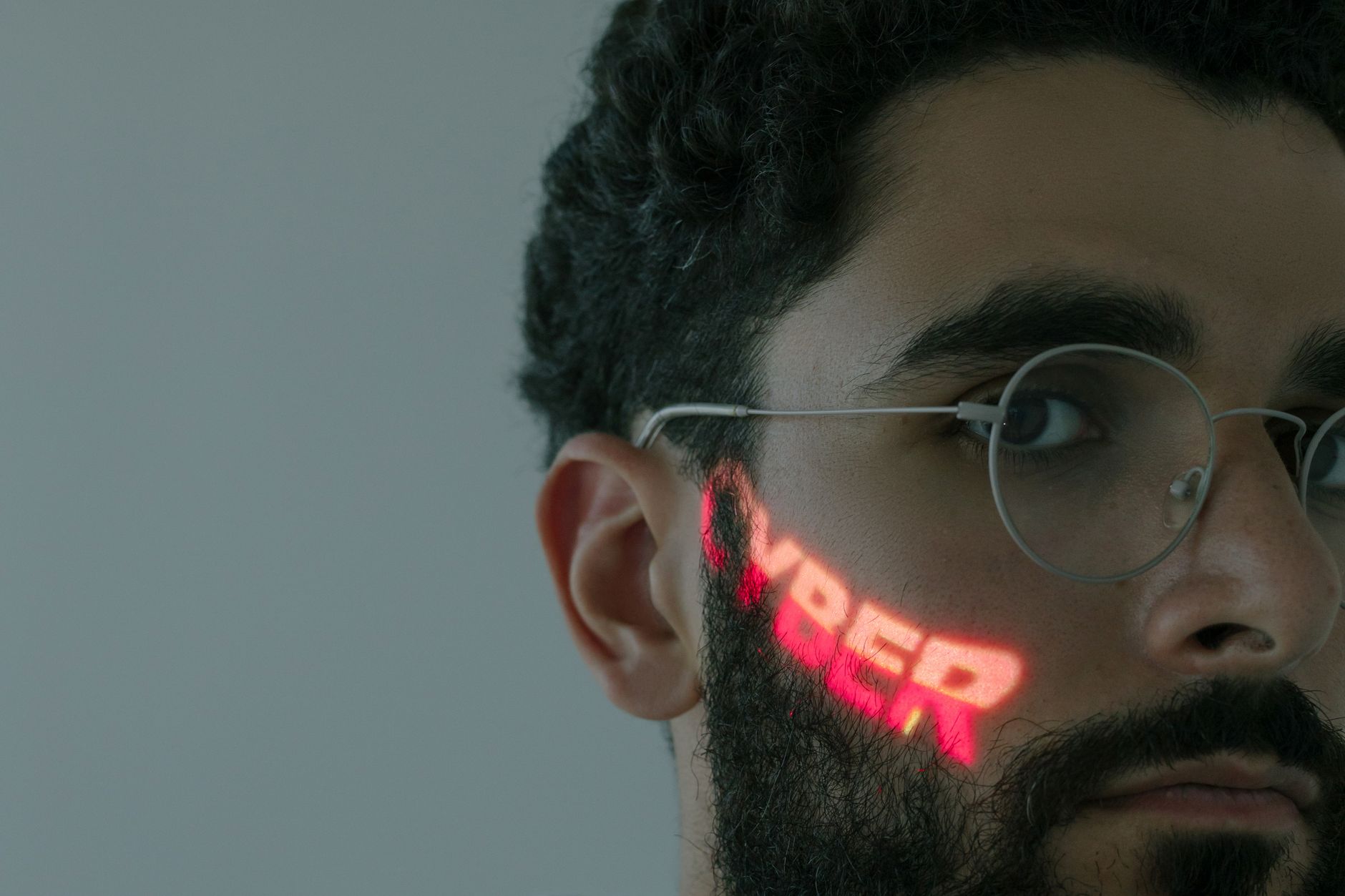
AI glasses and digital viewfinders are actively increasing ocular surface stress, but combining them with proper UV blocking and light filtration mitigates 70% of daily visual fatigue. You came here for the truth. Here it is. The wearable tech industry loves a gimmick. They sell you a seamless digital existence. You buy a persistent tension headache. To fix this, you must separate the marketing copy from the biological reality of how the human eye processes light, glare, and proximity screens.
The Intersection of Style and Ocular Strain
The eyewear industry operates on a cycle of aesthetic nostalgia mixed with aggressive technological updates. Right now, the focus is on AI glasses. Frames embedded with cameras, micro-speakers, and heads-up displays. The pitch decks I see from Silicon Valley and Milan all promise the same thing: augmented reality that doesn’t look like a sci-fi prop.
But there is a physical cost to strapping a battery-powered light emitter to your face. Your eyes were not evolved to process microscopic LED projections while simultaneously tracking a pedestrian crossing the street. Brands gloss over the physiological toll. They push the convenience. They ignore the biology.
The human visual system relies on a delicate balance of moisture, muscular relaxation, and ambient light processing. When you introduce close-proximity digital displays masked as everyday fashion accessories, that balance shatters. E-E-A-T (Experience, Expertise, Authoritativeness, and Trustworthiness) standards in optometry dictate that any foreign light source held within an inch of the cornea alters blink mechanics.
According to clinical observations from the University of Iowa Hospitals & Clinics, a person’s blink rate drops by 66% when staring at digital interfaces. Normal blinking occurs about 15 times a minute. Staring at an integrated lens display drops that to five.
Tears evaporate. The lipid layer degrades. Friction increases.
What is Actually Causing the Irritation?
People blame the screens. The screens are only half the problem. The real issue is the disrupted tear film and the environmental response. When you wear high-tech frames, you are inherently splitting your focal plane. Your brain tells your ciliary muscles to focus on the digital overlay. A split second later, it demands focus on the physical environment.
This constant micro-focusing exhausts the eye muscles.
Then comes the redness. Most people assume red eyes indicate a lack of sleep or perhaps illicit substance use. The fashion world certainly leans into that exhausted, post-party aesthetic. But medically, it is vasodilation. The blood vessels on the sclera expand to bring more oxygen to a suffocating, dry eye surface. If you want the actual medical breakdown, debunking the red eye myth reveals that chronic redness is usually a symptom of tear osmolarity imbalance, not just a late night out.
The wearable industry knows this. They just don't put it in the ad campaigns. You will never see a model with bloodshot eyes selling a $500 pair of augmented frames. You will only see pristine latest fashion editorials featuring flawless skin and clear eyes.
How Do You Combat Glare and UV Effectively?
Technology is not going backward. We will continue wearing computers on our faces. The solution is forcing the hardware to adopt legacy optical protections. A digital display is useless if the sun blinds you before you can read your notifications.
This is where traditional optics outpace Silicon Valley. You need physics. You need light polarization.
Unfiltered sunlight creates horizontal light waves that bounce off flat surfaces. Water, asphalt, the hood of a car. This is glare. Glare causes squinting, which accelerates muscle fatigue and degrades vision quality. If your tech-enabled frames do not have polarized lenses, they are glorified toys. Investing in polarized sunglasses is non-negotiable for anyone who spends more than thirty minutes outdoors daily. The chemical film on these lenses acts as a microscopic Venetian blind, blocking horizontal light waves while allowing vertical light to pass.
Without it, your pupils are forced to constantly dilate and constrict. The World Health Organization is explicitly clear on environmental light damage. According to their global health data, prolonged UV radiation exposure causes 20% of cataracts globally.
Cataracts are not a purely geriatric condition. Cumulative UV damage begins in your twenties.
What is the Real Impact of Screen-Heavy Living on Vision?
Look at the hardware specs. The refresh rates. The nits of brightness. Manufacturers brag about how bright their in-lens displays can get. Brightness means blue light.
Blue light is high-energy, short-wavelength light. In nature, it comes from the sun and regulates our circadian rhythms. It tells the brain to suppress melatonin and stay alert. When you wear AI glasses indoors, or stare at a smartphone at 11:00 PM, you are mainlining daylight directly into your retinas.
The neurological response is immediate. The Harvard Medical School published findings showing that blue light from screens can suppress melatonin production for twice as long as green light, shifting circadian rhythms by up to three hours.
You disrupt your sleep architecture. You wake up exhausted. Your eyes dry out. You buy expensive eye drops from high-end skincare and grooming routines to fix the dryness. The cycle repeats.
The optical industry responds by pushing "blue light blocking" coatings. The efficacy of these coatings is highly debated. Most clear blue-light lenses block only 10% to 20% of the target wavelengths. It is a margin play. A $40 upcharge on your prescription for a negligible biological benefit. If you actually want to block blue light, the lenses must be physically tinted amber or red.
No one wears amber-tinted glasses to a business meeting. Aesthetics always win over biology.
How to Optimize Your Eyewear Choice?
Stop buying frames based solely on industrial design or Silicon Valley hype. Treat your eyes like organs, not accessories. The wearable tech trends will cycle every six months. Your retinas will not.
If you are a consumer operating in this market, you need a rigid set of purchasing criteria. The marketing departments rely on your ignorance of optics. Strip away the branding. Look at the lens specifications.
Demand 100% UV Protection: This is baseline. UV400 blocks 100% of UVA and UVB rays. If the spec sheet does not explicitly state UV400, put the frames down.
Prioritize Anti-Reflective Coatings: When you have a digital display inside a lens, light bounces off the back of the lens and straight into your eye. AR coating eliminates back-glare. It increases contrast. It stops you from seeing a reflection of your own eyelashes.
Implement the 20-20-20 Rule: Hardware cannot fix behavioral errors. The Vision Council’s data indicates that 59% of adults experience digital eye strain. You must force your ciliary muscles to relax. Every 20 minutes, look at something 20 feet away for 20 seconds.
Verify Lens Material: Glass is heavy and shatters. Standard plastic scratches easily. Polycarbonate is lightweight and impact-resistant, making it the only acceptable material for tech-integrated frames. Trivex is lighter, but rarer.
Brands will attempt to upsell you on proprietary lens technologies. "Chromance." "Prizm." These are simply trademarked names for high-contrast color tuning. They enhance color perception by filtering out specific wavelengths where color overlaps occur. They look fantastic. They make greens greener and reds redder. But they do not fundamentally alter the biological safety of the lens.
The Final Verdict on Wearable Optics
You cannot hack your way out of biological limitations. AI glasses provide distinct informational advantages. They record cleanly. They navigate effortlessly. But they demand a physiological tax.
The industry will not protect your vision. Their mandate is user engagement, not long-term optical health. The responsibility falls entirely on the consumer to mandate physical lens protections.
If you integrate digital viewfinders into your daily life without enforcing strict polarized, anti-reflective, and UV400 standards, you are actively accelerating visual degradation. Optometry relies on physics. Marketing relies on emotion.
Choose physics.