
Bicycle Accident Liability and Comparative Fault in Vancouver
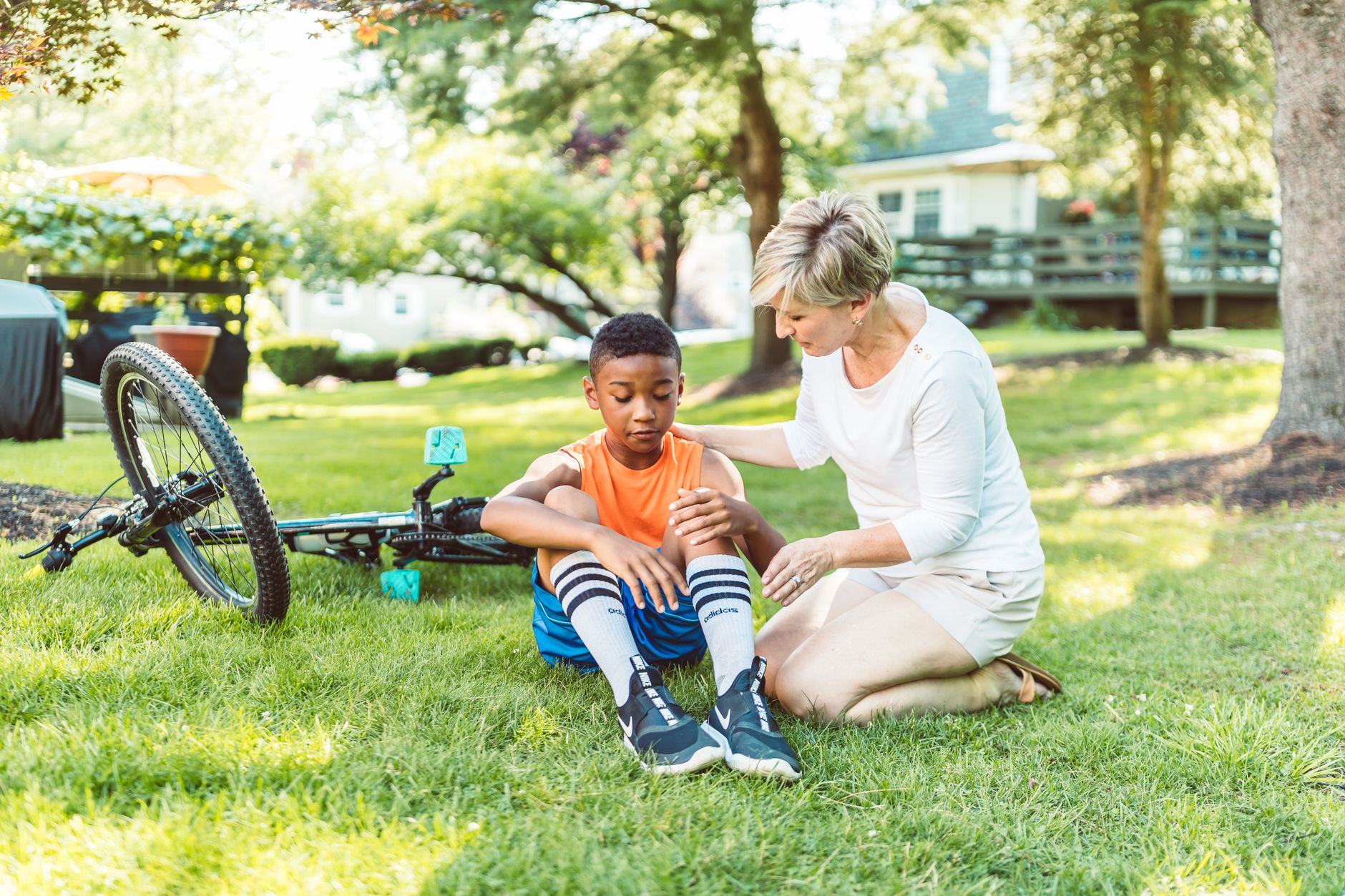
A bicycle crash in Vancouver can leave a rider facing medical treatment, damaged equipment, lost income, and difficult questions about who was responsible. A driver may blame the cyclist, while the cyclist may believe the driver failed to yield or keep a proper lookout. Understanding how fault works is important before accepting an insurance decision or making a claim. Speaking with a Vancouver bicycle accident attorney can help an injured rider understand how British Columbia law may apply to the facts of the crash.
How Liability Works After a Vancouver Bicycle Crash
Liability generally depends on whether someone failed to act with reasonable care and whether that failure caused the collision and resulting losses. In a bicycle accident, the potentially responsible party could be a motorist, cyclist, pedestrian, property owner, municipality, or another person whose conduct contributed to the incident.
Drivers have duties when sharing Vancouver roads with cyclists. These include paying attention, following traffic rules, yielding when required, and maintaining a safe distance. Cyclists also have legal responsibilities. British Columbia’s Motor Vehicle Act requires people operating bicycles on highways or sidewalks to use due care and reasonable consideration for others.
The Motor Vehicle Act provides the statutory rules that can apply to bicycle operation and collisions.
A violation of a traffic rule does not automatically answer every question about liability. The circumstances surrounding the collision still matter. Evidence can show what each person did before impact and whether that conduct contributed to the injuries.
What Comparative Fault Means in British Columbia
Bicycle accident claims can become more complicated when both sides may have contributed to the crash. British Columbia’s Negligence Act provides for liability to be divided according to the degree of fault when the conduct of two or more people causes damage or loss.
For example, imagine a cyclist is travelling through a Vancouver intersection when a driver turns across the cyclist’s path. The driver may have failed to yield. However, evidence could also show that the cyclist was travelling too quickly or failed to follow a traffic rule.
If both actions contributed to the collision, responsibility may be divided. A court can assess each person’s percentage of fault rather than simply deciding that one person was completely responsible.
This is why an injured cyclist should not assume that being partially at fault automatically ends a claim. The effect of shared responsibility depends on the facts and the applicable law.
How Fault Can Affect Compensation
The percentage of responsibility can have a direct effect on damages in a civil claim. Under the Negligence Act, the degree of fault is expressed as a percentage, and the amount recoverable from another responsible party corresponds to that party’s share of fault.
Consider a simplified example. Suppose an injured cyclist establishes $100,000 in compensable losses, and another party is found 80 percent responsible while the cyclist is found 20 percent responsible. The allocation of damages would reflect the parties’ respective responsibility under the applicable legal framework.
The actual calculation in a bicycle injury case can be much more complicated. Medical expenses, income loss, rehabilitation needs, pain and suffering, future losses, and other damages may need to be assessed. Insurance rules can also affect how benefits and claims are handled.
That is why a percentage mentioned by an insurer should not automatically be treated as the final answer.
ICBC Claims and Bicycle Accidents
Many Vancouver bicycle crashes involve a motor vehicle, which means ICBC may become part of the claim process. British Columbia’s current system provides Enhanced Accident Benefits to eligible B.C. residents injured in crashes involving vehicles, including people who were cycling or walking. ICBC states that these benefits are available regardless of who was responsible for the crash.
This distinction matters because accident benefits and responsibility for a crash are separate issues. An injured cyclist may have access to certain benefits while fault is still being reviewed.
ICBC also assesses responsibility based on the evidence available from the collision. The assessment can consider statements, witnesses, physical evidence, crash details, and applicable road rules.
If a cyclist disagrees with a responsibility decision, understanding the basis for that decision is important. A cyclist should review the evidence instead of assuming the initial assessment cannot be challenged.
Evidence Can Make or Break a Liability Dispute
The moments immediately after a bicycle crash can provide valuable evidence. If it is safe to do so, an injured cyclist should document the scene, road layout, traffic signals, bicycle damage, vehicle damage, visible injuries, and surrounding conditions.
Witness information can also be important. A neutral person who saw the collision may provide evidence that supports or contradicts statements made by the people involved.
Other evidence may include:
- Photographs or video from the crash scene
- Helmet or bicycle camera footage
- Dashcam recordings
- Medical records and treatment notes
- Police or incident reports
- Bicycle repair estimates
- Receipts for damaged equipment
- Employment records showing lost income
- Statements from witnesses
Evidence should be preserved as soon as possible. Road conditions, vehicle damage, surveillance footage, and memories can change with time.
Common Arguments About Cyclist Fault
Insurance disputes may involve allegations that a cyclist was riding too fast, failed to signal, ignored a traffic control device, entered a roadway improperly, or was not paying attention.
Some allegations may have little connection to the actual cause of the collision. The key question is whether the cyclist’s conduct contributed to the crash or the resulting loss.
For example, wearing different clothing or having a certain type of bicycle does not by itself establish responsibility for a collision. The analysis should focus on what happened immediately before and during the accident.
The same principle applies to drivers. A motorist may argue that a cyclist was difficult to see, but that does not automatically eliminate the driver’s responsibility if the driver failed to exercise reasonable care.
Vancouver Roads Can Create Complex Collision Questions
Vancouver has a mix of separated bike routes, painted lanes, shared roads, intersections, parking areas, and busy commercial streets. Collisions can happen when vehicles turn across bike lanes, open doors into cyclists’ paths, enter intersections, or merge near cyclists.
A crash near a protected cycling route can raise different factual questions from a collision on a shared roadway. Weather, lighting, traffic, road design, parked vehicles, visibility, and the actions of other road users may also matter.
The location of the crash should therefore be documented carefully. A simple photograph of the intersection may help explain visibility, lane positioning, traffic controls, and the relative positions of the people involved.
What Injured Cyclists Should Do After a Collision
Safety should come first. Seek medical attention for injuries, even when symptoms initially seem minor. Some injuries may become more noticeable after the immediate shock of a collision wears off.
Report the crash when required and notify the relevant insurer. Keep copies of documents, medical records, receipts, correspondence, and other evidence connected with the accident.
Avoid making broad statements about fault before the facts have been fully reviewed. Saying that you were partly responsible at the scene may later be interpreted differently than you intended.
Most importantly, understand the difference between an insurance assessment and a final legal determination. A disputed liability decision can involve questions about evidence, road rules, causation, and the degree to which each person’s conduct contributed to the loss.
Understanding Fault Can Protect a Bicycle Injury Claim
A Vancouver bicycle accident is not always a simple question of driver versus cyclist. British Columbia law recognizes that more than one person can contribute to an accident, and responsibility can be divided according to the degree of fault.
For cyclists dealing with injuries, lost income, damaged property, or an insurance dispute, the details matter. Evidence from the crash scene, medical records, witness statements, traffic rules, and vehicle or bicycle damage can all help establish what happened.
Understanding comparative fault early can help an injured cyclist make informed decisions about an ICBC claim or potential legal action. When responsibility is disputed, getting legal advice based on the specific facts of the Vancouver collision can be an important step before accepting a settlement or responsibility assessment.