
From Side Hustles to Self-Care: The Modern Gen Z Lifestyle
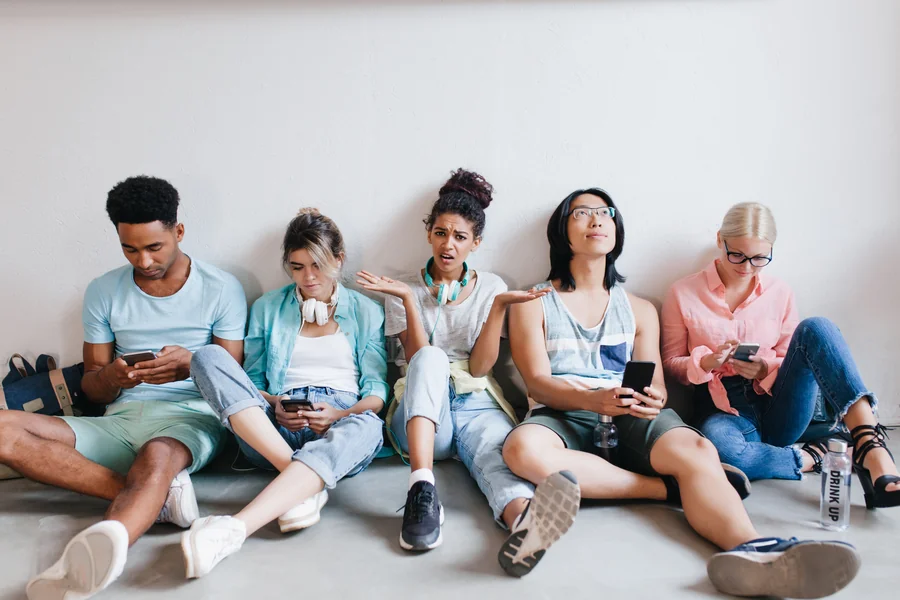
Generation Z, generally defined as those born between 1997 and 2012, is shaping a unique lifestyle that blends entrepreneurial ambition with a keen awareness of mental health and self-care. Unlike previous generations, Gen Z grew up with the internet, smartphones, and social media as constants in their lives. These factors have profoundly influenced how they work, relax, and connect with others. From cultivating multiple income streams through side hustles to prioritizing mental well-being, this generation is redefining what it means to balance ambition and self-care.
The Rise of the Side Hustle
Side hustles have become almost a rite of passage for Gen Z. Unlike Millennials, who often pursued stable 9-to-5 jobs with occasional freelance work, Gen Z treats side hustles as a primary tool for financial freedom, skill-building, and personal expression. Platforms like Etsy, TikTok, and Fiverr have enabled young people to monetize hobbies, from digital art and music production to social media management and online tutoring.
One of the driving forces behind this trend is economic reality. Many Gen Zers entered adulthood during the COVID-19 pandemic, witnessing job instability, tuition debt, and rising living costs. Side hustles offer a sense of control and security, allowing them to earn extra income while exploring interests beyond traditional employment. Additionally, the flexibility of side gigs aligns with Gen Z’s desire for autonomy and work-life balance. Unlike older generations, who might prioritize career advancement at a single company, Gen Z values diversified income streams and the freedom to choose projects that align with their passions.
Digital Natives and the Creator Economy
Being digital natives, Gen Z leverages social media not just for entertainment but also as a career platform. The creator economy—encompassing content creation, influencer marketing, and online entrepreneurship—has unlocked opportunities that previous generations could only dream of. Young people now earn revenue from ad partnerships, merchandise, streaming, and sponsorships, transforming hobbies into viable professions.
Platforms such as Instagram, YouTube, and TikTok have also democratized access to audiences. Success no longer hinges on institutional gatekeepers but on creativity, engagement, and authenticity. Gen Z creators are not only building personal brands but also influencing culture, fashion, and consumer trends. The ability to combine personal interests with financial gain has made the creator economy a central aspect of Gen Z’s lifestyle.
Mental Health and the Prioritization of Self-Care
While Gen Z is ambitious, they are also highly conscious of mental health and self-care. Unlike previous generations that often equated work with identity, Gen Z recognizes the importance of boundaries and personal well-being. According to recent studies, Gen Z reports higher levels of anxiety and stress compared to Millennials and Gen X, making self-care not a luxury but a necessity.
Self-care practices for Gen Z extend beyond traditional methods like meditation or spa days. They encompass digital detoxes, journaling, therapy, and mindfulness exercises, often shared and normalized on social media. Whether it’s enjoying a quiet evening with friends, exploring new music, or sampling the latest vape juice on the market, Gen Z finds ways to blend relaxation with social connection. The conversation around mental health has become destigmatized, and young people are open about seeking help, setting boundaries, and prioritizing rest. This balance between ambition and well-being is a hallmark of the Gen Z lifestyle, illustrating that success is measured not just in productivity but in holistic health.
Conscious Consumerism
Another defining feature of Gen Z is their approach to consumption. This generation is markedly conscious of the social and environmental impact of their purchases. From supporting sustainable fashion brands to choosing eco-friendly products, Gen Z integrates values into their spending habits. They are more likely to research companies’ ethics, environmental footprint, and social impact before making a purchase.
This awareness also intersects with their side hustles and entrepreneurial ventures. Many young entrepreneurs focus on sustainability, ethical production, and community-driven initiatives. For Gen Z, success is intertwined with responsibility, highlighting a broader cultural shift toward mindful consumption and socially conscious business practices.
Social Connectivity and Online Communities
Digital connectivity has profoundly shaped Gen Z’s social lives. Online communities—whether based on hobbies, social causes, or fandoms—serve as vital sources of support, creativity, and collaboration. Social media allows them to form connections beyond geographical boundaries, fostering a sense of belonging and shared purpose.
Platforms like Discord, Reddit, and TikTok not only provide entertainment but also enable peer learning, networking, and collaborative projects. Gen Z thrives in environments where community feedback and participation drive innovation. These digital interactions influence career paths, lifestyle choices, and even personal identity, making social media a cornerstone of modern Gen Z culture.
Flexibility and Work-Life Integration
The modern Gen Z lifestyle reflects a desire for flexibility and integration rather than rigid separation between work and personal life. Remote work, gig opportunities, and digital entrepreneurship allow them to structure their schedules around personal priorities. For many, side hustles are not just financial tools but avenues to explore passions and maintain a dynamic, varied lifestyle.
This flexibility also extends to learning and skill acquisition. Gen Z is more likely to pursue online courses, YouTube tutorials, and community workshops to develop expertise, rather than relying solely on formal education. Lifelong learning is embedded in their approach to work, personal growth, and creative exploration.
Challenges and Considerations
Despite the many advantages, the Gen Z lifestyle is not without challenges. The pressure to succeed across multiple platforms, maintain a curated online presence, and stay competitive in the gig economy can lead to burnout. The blurring of work-life boundaries, coupled with the constant exposure to social media, sometimes exacerbates stress and comparison.
Additionally, financial instability remains a concern. While side hustles and digital entrepreneurship offer opportunities, they also come with unpredictability. The modern Gen Z approach requires resilience, adaptability, and a careful balance between ambition and well-being.
Conclusion
From side hustles to self-care, Gen Z is forging a lifestyle that values both entrepreneurial drive and personal well-being. They embrace flexibility, digital connectivity, and conscious living while remaining acutely aware of mental health and sustainability. By integrating ambition with mindfulness, this generation is redefining what it means to live a modern, balanced life.
The Gen Z lifestyle is a blueprint for the future: a hybrid of creativity, entrepreneurship, and self-care, where success is measured not just by wealth or status but by holistic fulfillment and societal impact. As these young adults continue to innovate, advocate for change, and prioritize well-being, they are shaping a culture that could influence generations to come.