
How To Choose The Right Electric Cooler For Car Adventures
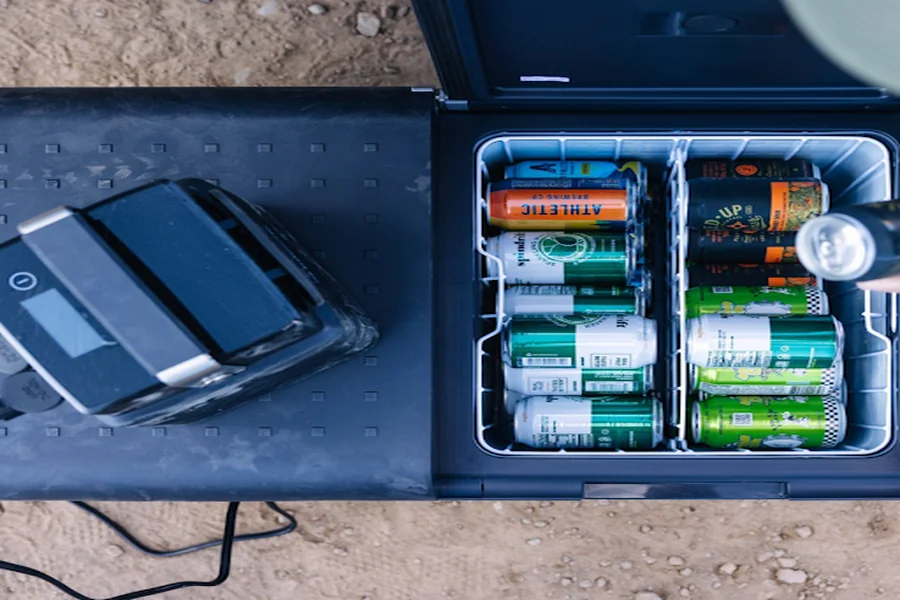
Drinks getting warm, fresh food spoiling, or groceries sitting in the heat for hours can make a car adventure unappealing. A standard cooler is useful, but melting ice will leave things wet and take up space. While an electric cooler is a cleaner and more convenient method for keeping food and beverages chilled, selecting an electric cooler requires more than just choosing the largest one.
Your choice depends on the trip you’re taking, how much room you have, your power configuration, and your cooling requirements. A few practical checks can narrow the choices and prevent a cooler from becoming another awkward piece of gear.
So, before you buy one, here are five points that can help you choose the right electric cooler for car adventures.
1. Match Cooler to Your Trip
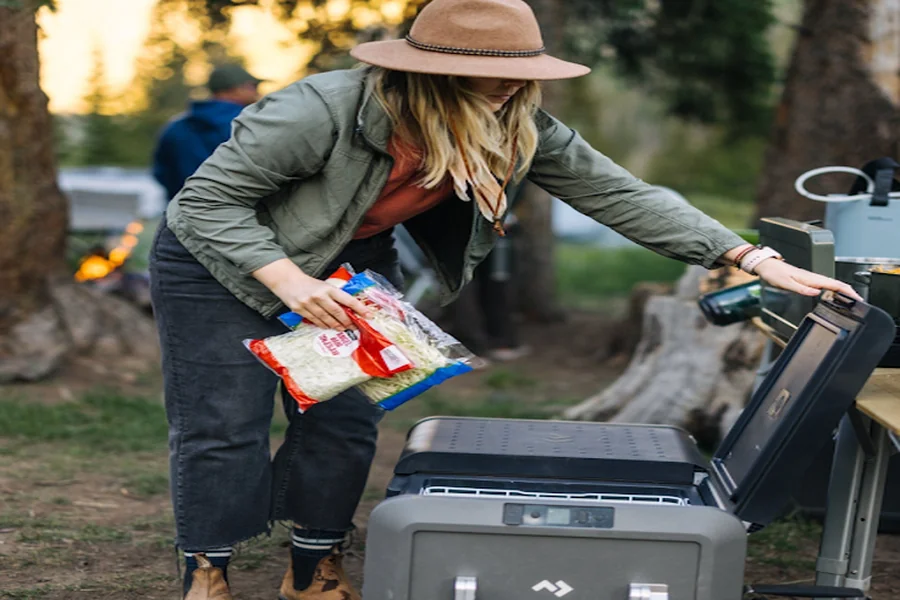
Start with how you actually travel.
The cooling needs of a short beach vacation are different than spending a week on the road. For those who take day trips, a smaller cooler might be easier to carry out and store. If the journey is longer, perhaps larger capacity is warranted if meals, drinks, and fresh ingredients must remain cool.
Consider what typically would fit inside. A smaller interior might be sufficient if the cooler is primarily for cans and snacks. Additional storage space is a plus for family vacations, camping trips, and extended stays. An electric cooler for car will help keep food and drinks chilled without using melting ice.
Before choosing a size, consider:
- Number of travelers
- Trip length
- Food and drink volume
- Available storage space
This allows for keeping capacity practical. Here, the right size gives space without consuming space in the vehicle, which is important when space is limited.
2. Check Power Setup
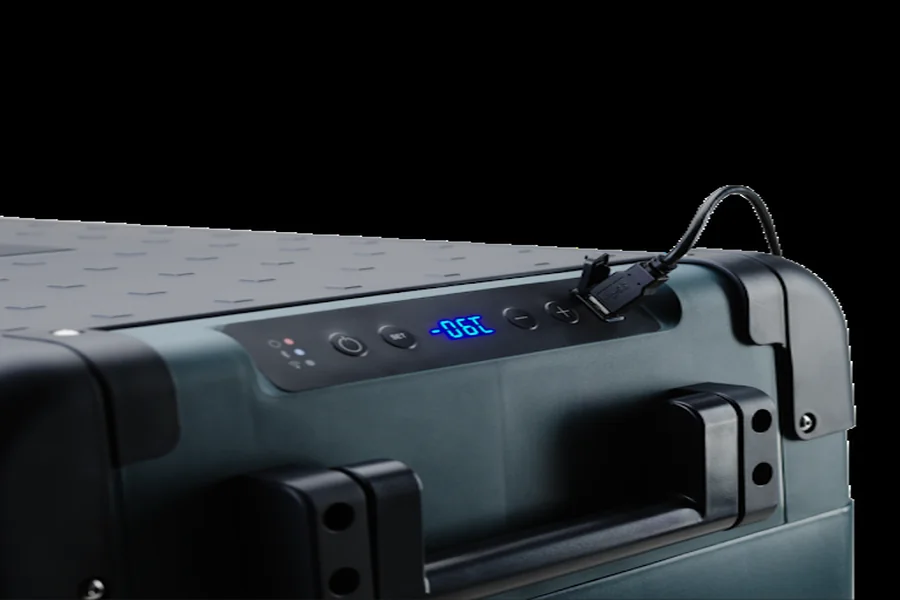
Once you know how much space you need, the next question is how your vehicle can power the cooler.
Many vehicle-friendly models connect through a 12-volt outlet, but connection types and power requirements vary.
That difference matters during long drives. Check the cooler’s voltage requirements and confirm that your vehicle supports it. If you plan to use the cooler away from the car, check whether it works with a compatible portable power station.
For electric vehicles, power planning deserves extra attention. Auxiliary equipment can add to overall energy use, so consider runtime and backup power.
So, the connector is only part of the picture. Think about how the cooler fits into your entire power routine.
3. Check Size Against Your Vehicle
There’s more to that option than just capacity, though: where it fits in your car. Measure the space where you plan to place it. Inspect height, width, depth, and lid clearance.
Access matters, too. If someone wants to have a drink at a rest stop, it would be inconvenient to have a cooler on the way under the luggage. The model that is within easy reach makes the trip smoother.
Here are a few things that need to be checked really quickly:
- Handles or wheels
- Cable placement
- Lid opening space
- Room for other luggage
While they might not be a big deal at home, they’ll come to light once you hit the road.
4. Compare Temperature Control
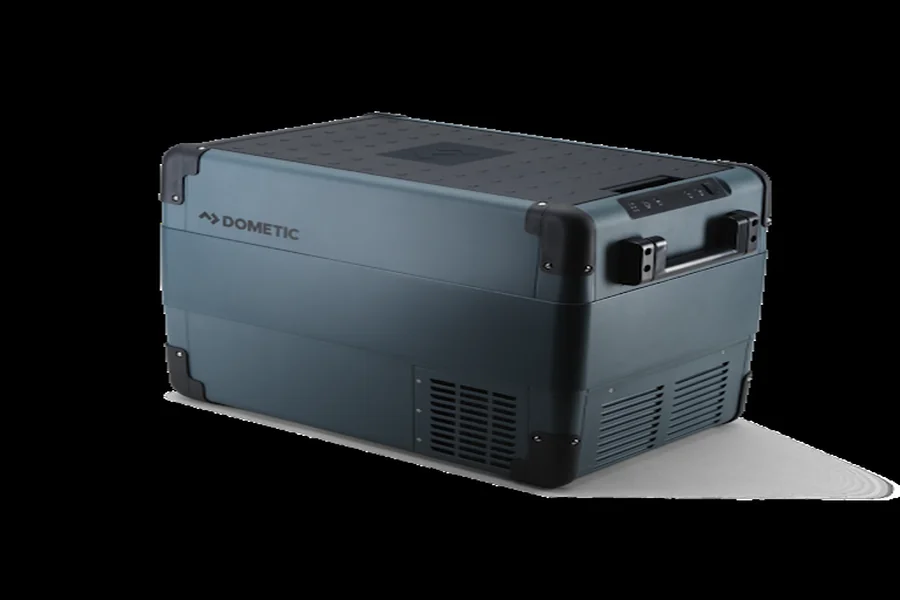
After physical fit comes another question: can the cooler provide the cooling your trip requires?
Drinks may only need to stay cold, while fresh food needs more consistent temperature control. Some models also offer freezer-style performance for frozen food or longer journeys.
Before choosing, check the temperature range and control system. A clear display makes monitoring easier.
This is significant because warm air enters the cooler when you open it. When transporting perishable food outdoors, temperature control is particularly critical, as the FDA advises that these items be kept at or below 40°F.
Store items that are used regularly in the upper areas of the basket to minimize the time the lid is left open. If you’re going on a longer trip, check if the cooler will keep the right temperature while plugged in to the power source you’ve selected.
5. Focus on Practical Road-Trip Features
Once the basic features are in place, consider details that impact use. The road-trip cooler must be easy to clean, move, load, and secure. When it goes from the vehicle to the campsite, hotel, and picnic area, durability of construction can also be important.
Noise, handles, wheels, drain design, and interior layout might appear to be small points of comparison. However, on the road, those details can have an impact on convenience on a daily basis.
It’s important to check destination rules as well. The National Park Service explains that food-storage requirements vary from one park to another, and some parks may require foods and coolers to be stored in a particular way.
So, consider where the cooler is going, not just what it can hold. The convenience of the model should suit the vehicle and the type of adventure in question.
Conclusion
When you’re ready to select the right electric cooler for your car adventures, the first place to begin is how you travel. Consider capacity first, power requirements, vehicle fit, temperature control, and usability. This helps to focus the decision on what is important and not on all the extras.
The right cooler isn’t necessarily the most sophisticated or biggest. It must fit your vehicle, your food and drink requirements, and the length of your trips. Having this information in hand makes comparing different deals easier and packing for the next adventure less daunting.