
How to Keep Your Leather Backpack Looking New Long After College
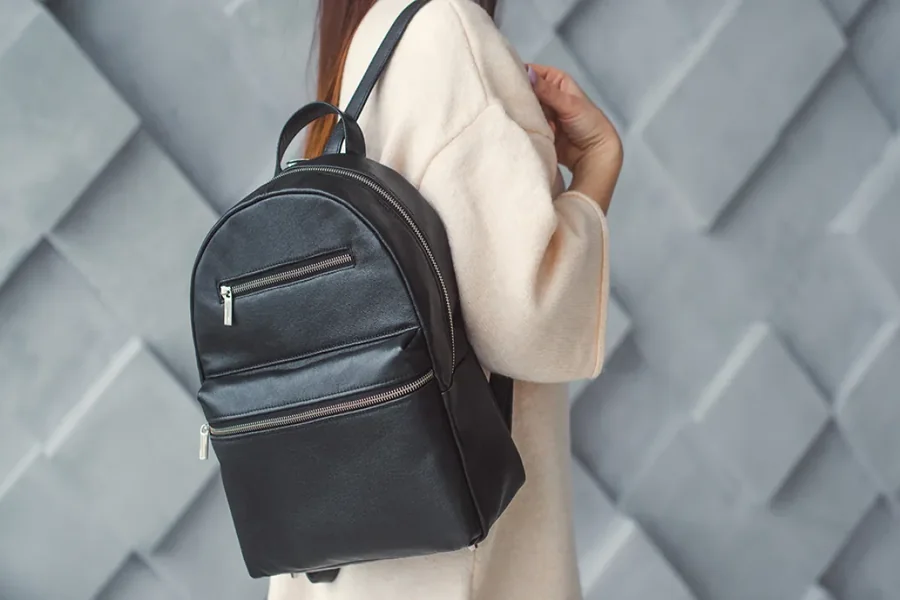
How to Care for a Leather Backpack So It Lasts Beyond Graduation
A leather backpack isn’t just a stylish addition to your college gear—it’s an investment. Unlike fabric or synthetic options that wear out quickly, a well-maintained leather backpack can serve you throughout college and beyond. Regular care is key to keeping leather in top shape and ensuring its durability over time.
With assignments, part-time jobs, and social events taking priority, backpack maintenance is often overlooked. Some students rely on academic writing services like EssayService to write my essay for me and free up time, but keeping a leather backpack in top condition doesn’t require much effort. Simple habits can help prevent wear, extend its lifespan, and keep it reliable long after graduation.
Cleaning Your Leather Backpack the Right Way
Dust, dirt, and accidental spills can take a toll on leather if not cleaned properly. Unlike synthetic materials, leather absorbs moisture and stains, so quick action is key.
- Wipe the surface with a soft, dry cloth frequently to remove dust and prevent dirt from settling.
- For deeper cleaning, lightly moisten a cloth with mild soap and gently go over the leather. Stay away from harsh cleaning agents and too much moisture, as they can weaken the material and cause drying.
- If exposed to moisture, let the leather dry naturally at room temperature. Avoid using direct heat or hairdryers, as they can lead to cracking.
Conditioning: Keeping the Leather Supple
Over time, leather loses moisture, which can lead to stiffness and cracks. Applying conditioner helps the leather stay flexible and prevents it from drying out or cracking.
- Use a leather conditioner every few months to maintain its softness and prevent stiffness. Choose a product designed for full-grain or top-grain leather. Use a small amount, spreading it evenly and buffing with a soft cloth.
- Avoid over-conditioning. Too much conditioner can leave the surface greasy and attract dust, so apply sparingly. Stick to conditioning once every three to four months unless the backpack is exposed to harsh weather.
Protecting Against Water Damage
Leather isn’t naturally waterproof, so exposure to rain or spills can cause stains and damage. While some leather backpacks are treated for water resistance, extra precautions help prolong their lifespan.
- Use a leather protectant spray. Apply a light coat of a waterproofing spray designed for leather to add a protective barrier.
- Store properly on rainy days. If the weather is bad, keep your backpack under an umbrella or use a rain cover. Never store it in a damp environment, as moisture leads to mold.
- Wipe off water immediately. If exposed to water, gently blot with a dry cloth and allow it to air dry in a well-ventilated area.
Preventing Scratches and Scuffs
Leather is durable, but it can still develop scratches if not handled carefully. While some scuffs add character, deep scratches can be hard to fix.
- Avoid placing your backpack on rough surfaces. Always set it down on smooth, clean surfaces to prevent unnecessary damage.
- Store the backpack in a dust bag or a soft fabric cover when not in use to minimize scratches and keep it clean.
- To reduce the appearance of small scuffs, apply a tiny amount of leather cream and gently buff with a soft cloth.
Handling Stains Without Damaging the Leather
College life means coffee spills, ink stains, and unexpected messes. Proper stain removal prevents permanent marks and keeps the leather looking clean.
- Ink stains: Lightly dab the affected area with a cotton swab dipped in rubbing alcohol, being careful not to spread the stain.
- Oil stains: Sprinkle cornstarch or baking soda on the area to absorb the oil, then wipe it off with a soft cloth.
- Food or drink stains: Clean the area immediately with a damp cloth and mild soap, then dry it right away.
Proper Storage to Maintain Shape
Leather can lose its shape if stored incorrectly, leading to sagging or creases. Keeping your backpack structured helps it last longer.
- Stuff it when not in use. To maintain its form, stuff the backpack with soft materials like clothing or packing paper before storing it.
- Keep it in a dry, cool area and away from direct sunlight to prevent fading and cracking.
- Hang or lay flat instead of folding. Hanging the backpack on a sturdy hook or placing it flat prevents misshaping.
Maintaining the Hardware and Zippers
The leather may last, but zippers, buckles, and straps can wear out if not maintained. Regular checks help prevent breakage.
- Keep zippers running smoothly. If zippers start sticking, rub a small amount of beeswax or a graphite pencil tip along the teeth.
- Check straps and buckles. Loose straps should be tightened, and metal hardware should be wiped down occasionally to prevent rust or tarnish.
- Avoid carrying excessive weight, as it can strain the seams, straps, and zippers, leading to premature wear.
Long-Term Benefits of Leather Care
Caring for a leather backpack isn’t just about keeping it looking good—it’s about preserving functionality. A well-maintained backpack can:
- Last through college and remain useful in professional settings.
- Retain its shape and strength, avoiding sagging and deterioration.
- Over time, leather develops a natural patina, enhancing its depth and character.
With proper care, a leather backpack isn’t just another college purchase—it becomes a dependable companion that stays with you long after graduation.
Final Thoughts
Leather backpacks are built to last, but they require upkeep to stay in top condition. With routine cleaning, conditioning, and proper storage, a leather backpack can remain in excellent shape for years. By following these simple care tips, students can ensure their leather backpacks remain a reliable and stylish part of their daily routine, long after college is over.