
What Common Lawn Care Mistakes Should Homeowners Avoid?
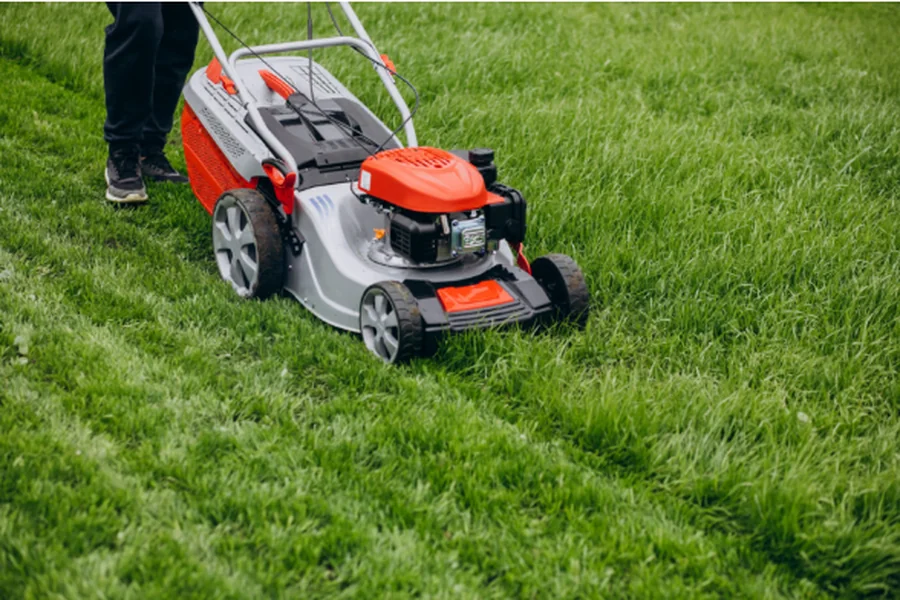
There are no magic solutions for having a healthy lawn.
Despite regular cutting and fertilizing, one can have a patchy lawn, weed infestations, or poor grass coverage. In many cases, such problems arise due to minor issues that seem insignificant in the beginning.
One of them is fertilizing the lawn while not taking into account its soil requirements. Another one is neglecting soil compaction. It prevents grass roots from getting water and nutrients. It is also important to consider the timing because lawn treatment should be aligned with its growth patterns.
Such issues can significantly complicate lawn maintenance while yielding poor results. Fortunately, there are some ways to avoid making them.
Here are the five most common lawn care mistakes and their prevention.
1. Using the Same Lawn Care Routine All Year
Waconia lawns will be subject to change due to varying temperatures and grass growth in each of the seasons. For this reason, having the same treatment all year round will not help you address some of the issues that might arise. You need to adopt a strategy based on the seasons to solve specific problems.
In case you plan to have your lawn treated by professionals, you should opt for a program that varies in the course of the growing season. Professional companies that undertake lawn care in Waconia, for instance, implements five strategic treatment programs from the beginning of spring to fall. These include pre-emergent crabgrass control, weed elimination, slow-release fertilizers, and winterization.
The same philosophy can be adopted even if you treat the lawn yourself. Preventive strategies in spring, nutrient management during the growth period, and winter preparation at the end of the year will help you stay consistent.
2. Fertilizing Without Understanding Your Lawn’s Needs
Fertilizers are known to help ensure good growth, but it is important to note that more fertilizer does not necessarily guarantee good grass growth. Misusing the fertilizer by applying the wrong type or excessive amounts can only lead to wastage of money and could also lead to difficulties like poor growth.
The best way to ensure you get the right fertilizer is to look at the condition of your lawn first. Testing the soil will help you understand what is needed. Professional lawn care companies make use of soil testing, customized nutrients, and five strategic fertilizations through the year. They also offer slow-release and organic fertilizers suitable for people with children and pets.
Timing is another important aspect, and one should apply fertilizers in line with a seasonal program that promotes consistent growth.
3. Treating Weeds Only After They Take Over
By waiting until the point where weeds have taken over the lawn, the job of controlling them becomes much more difficult. They could be widespread, as well as having competed against the grass in terms of resource use.
It is necessary then, to include preventive actions in your plan. Different programs start off with a preseason pre-emergent to prevent crabgrass. Additionally, they will treat for broadleaf weeds as the temperature rises, and manage specific weeds through the growing season.
Preventive action does not mean not dealing with the weeds that are currently there. Be sure to inspect your lawn regularly and deal with smaller areas before they get worse. Spot treatments can help when you have specific weeds on the lawn, rather than treating the whole thing.
Perhaps most importantly, make sure to use the appropriate weed controls in the correct season.
4. Ignoring Compacted Soil and Thin Grass
Even if you apply the correct fertilizer and control weeds, compacted soil may limit your lawn’s development. With compacted soil, grass roots will have less room to grow. Also, water and nutrients will have difficulty penetrating the soil layer.
Aeration can be used to loosen compacted soil for improved conditions for the grass roots. With core aeration, the soil will be made less compact, and roots will grow healthier. Overseeding will introduce new grass varieties that will give your lawn more density. It is suggested to perform these operations at proper spring and fall times in Waconia.
The client page also mentions microbial aeration, which uses CO2 for soil improvement without disturbing it mechanically. The process will allow for increased water and nutrient penetration into the soil, as well as to reach unreachable or delicate areas.
Thus, if you have an undersized lawn despite your efforts to feed it, check the soil first.
5. Forgetting About Winter Preparation
This does not mean that you can put away all your equipment once the temperature starts dropping. Actions that you take before winter will determine how your grass will react under harsh weather conditions and resume growing again.
Winterization is an essential component of any lawn care regimen.
Also, try to keep your dormant or frost-touched grass from undergoing undue stress. The Minnesota weather guidelines advise against walking on frosted or snowy grass. The company also encourages you to use non-salt de-icers because salts are damaging to your grass.
Preparation of your lawn before the winter season will give you a chance to solve any weed or other problems in your lawn. This means that you will be starting on a better footing when it comes to taking care of your lawn in the spring.
Keep Your Lawn Care Consistent and Seasonal
More effort does not necessarily lead to a better lawn. It takes the correct effort at the right time. These are some tips that could help you control the weeds early on, promote root development, improve nutrient absorption, and get your lawn ready for each season.
Most importantly, listen to your lawn. Sparse growth could mean that there are issues with the soil. Uncontrollable weeds could mean improper timing and inadequate turf grass. Unbalanced growth could mean that something is wrong with the nutrients.
With a seasonal approach tailored to your lawn, you can make your efforts more effective while providing the perfect conditions for your grass.