
When a Truck Rear-Ends a Passenger Vehicle in Heavy Traffic
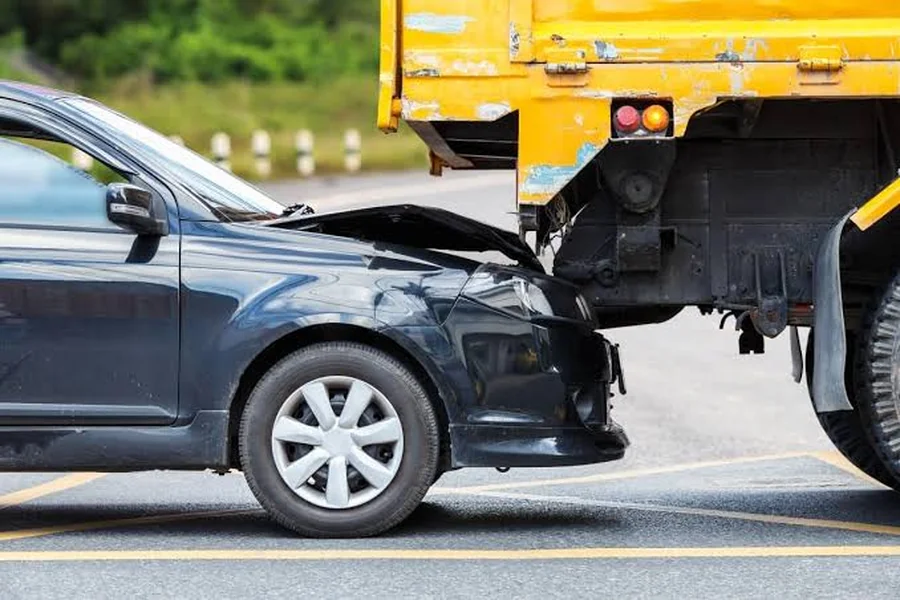
Heavy traffic can make every driver impatient, but it creates special danger when a large truck is involved. Passenger vehicles may slow, stop, and move again within seconds. A truck driver must watch far ahead, keep enough space, and be ready for sudden changes in traffic flow.
When a truck rear-ends a passenger vehicle, the result can be devastating. The smaller vehicle may be crushed, pushed into another lane, or forced into the vehicle ahead. Even when traffic is moving slowly, the weight of a commercial truck can turn a routine slowdown into a serious injury crash.
The Stop May Begin Long Before the Truck Reaches It
In heavy traffic, the danger often starts several vehicles ahead. Brake lights may ripple backward through the lane as drivers respond to congestion, merging traffic, an exit ramp, construction, or a stalled vehicle. A careful truck driver should be scanning ahead for those patterns.
If the truck driver watches only the car directly in front, they may miss the larger slowdown developing ahead. By the time the passenger vehicle stops, the truck may already be too close. A rear-end crash in traffic may show that the driver failed to read the road early enough.
A Small Gap Can Disappear Instantly
Commercial trucks need more space than passenger cars to slow safely. In stop-and-go traffic, that space can shrink quickly. A driver may allow the truck to roll forward, close the gap, and then realize too late that traffic has stopped again.
This is especially dangerous when the truck is loaded, traveling downhill, or moving on wet pavement. A short following distance leaves little room for error. If the driver is distracted, tired, or looking at a mirror, phone, GPS, or dispatch device, even a brief delay can lead to impact.
Traffic Compression Can Make the Crash Worse
Heavy traffic often compresses vehicles close together. When a truck strikes the rear of a passenger car, the car may be pushed into another vehicle, guardrail, median, or intersection. The occupants may experience more than one impact before the vehicle stops.
This can complicate both injuries and fault questions. A person may suffer neck, back, head, shoulder, knee, or internal injuries from the first hit and the secondary collision. Vehicle damage, impact points, and witness accounts may help show how the crash sequence unfolded.
The Truck Driver May Claim the Stop Was Sudden
After a rear-end crash, a truck driver may say traffic stopped without warning. Sometimes traffic does slow suddenly. But in many congested areas, sudden slowing is exactly what drivers should expect.
A truck driver in heavy traffic must anticipate that cars may brake for merging vehicles, lane closures, pedestrians, signals, or backups around exits. The question is not only whether the passenger vehicle stopped, but whether the truck driver was following at a distance that allowed a safe stop.
Work Pressure Can Follow the Driver Into Traffic
A truck driver may be operating under delivery deadlines, route timing, dispatch messages, or customer expectations. Heavy traffic can make those pressures worse. A driver who is already behind schedule may follow too closely, change lanes aggressively, or resist slowing down enough to rebuild a safe gap.
A Portland truck accident lawyer may review dispatch records, electronic logs, route data, and company communications to understand whether schedule pressure affected the driver’s choices before the crash. The rear-end impact may be the final event in a longer pattern of rushing.
Electronic Data May Show the Final Seconds
Many commercial trucks contain electronic systems that can help explain what happened before impact. Depending on the vehicle and equipment, data may show speed, braking, throttle use, sudden deceleration, or other movement patterns.
This information can be important when stories differ. If the driver claims they braked as soon as traffic slowed, the data may show whether braking happened early or only at the last moment. Dashcams, GPS records, and fleet monitoring systems may also help show traffic conditions.
Passenger Vehicle Occupants Can Face Serious Harm
A rear-end crash involving a truck can injure people inside the passenger vehicle even if the truck was not traveling at highway speed. The force may push the seatback, snap the neck, throw occupants forward, or crush the rear structure of the car.
Common injuries may include whiplash, concussions, spinal injuries, broken bones, shoulder injuries, nerve symptoms, and emotional trauma. Symptoms may worsen after the first day, especially when adrenaline fades. Medical care should not be delayed simply because the crash happened in traffic.
The Car’s Damage May Not Tell the Whole Story
Vehicle damage can help explain impact force, but it should not be the only measure of injury. Some cars absorb impact differently depending on vehicle design, seat position, bumper height, and where the truck struck. A smaller vehicle may protect parts of the cabin while still transferring force to the people inside.
Insurers may focus on repair estimates, but injury claims should look at medical findings, symptoms, work limits, treatment needs, and daily disruptions. The human impact may be greater than the damaged metal suggests.
Evidence From the Traffic Scene Can Fade Quickly
Evidence after a truck crash can disappear fast as traffic clears, vehicles are moved, and witnesses leave the area. Important details to preserve may include:
- Vehicle positions: Photos can show where each vehicle stopped after the crash.
- Vehicle damage: Rear and front damage may help explain the force and direction of impact.
- Road layout: Lane markings, traffic signals, exit ramps, and construction zones can help show how the crash happened.
- Witness information: Names and contact details should be saved before witnesses become difficult to reach.
- Official and medical records: Police reports, tow records, medical records, and insurance communications may support the claim.
- Camera footage: Business cameras, dashcams, and traffic cameras may show the slowdown or the truck’s movement before impact.
Because these sources may not be available for long, early documentation can help protect key evidence.
When a Rear-End Crash Points to Larger Safety Failures
A truck rear-ending a passenger vehicle in heavy traffic should not be dismissed as a simple traffic mistake. Congestion requires patience, spacing, attention, and careful speed control. When a truck driver fails to adjust, the people in smaller vehicles may suffer the consequences.
A full review should ask whether the driver watched traffic far enough ahead, kept a safe following distance, responded to brake lights, avoided distractions, and resisted schedule pressure. It should also examine truck data, company records, and scene evidence. In heavy traffic, the crash may happen in seconds, but the warning signs often begin much earlier.