
How to Care for Your Skin After Tattoo Removal
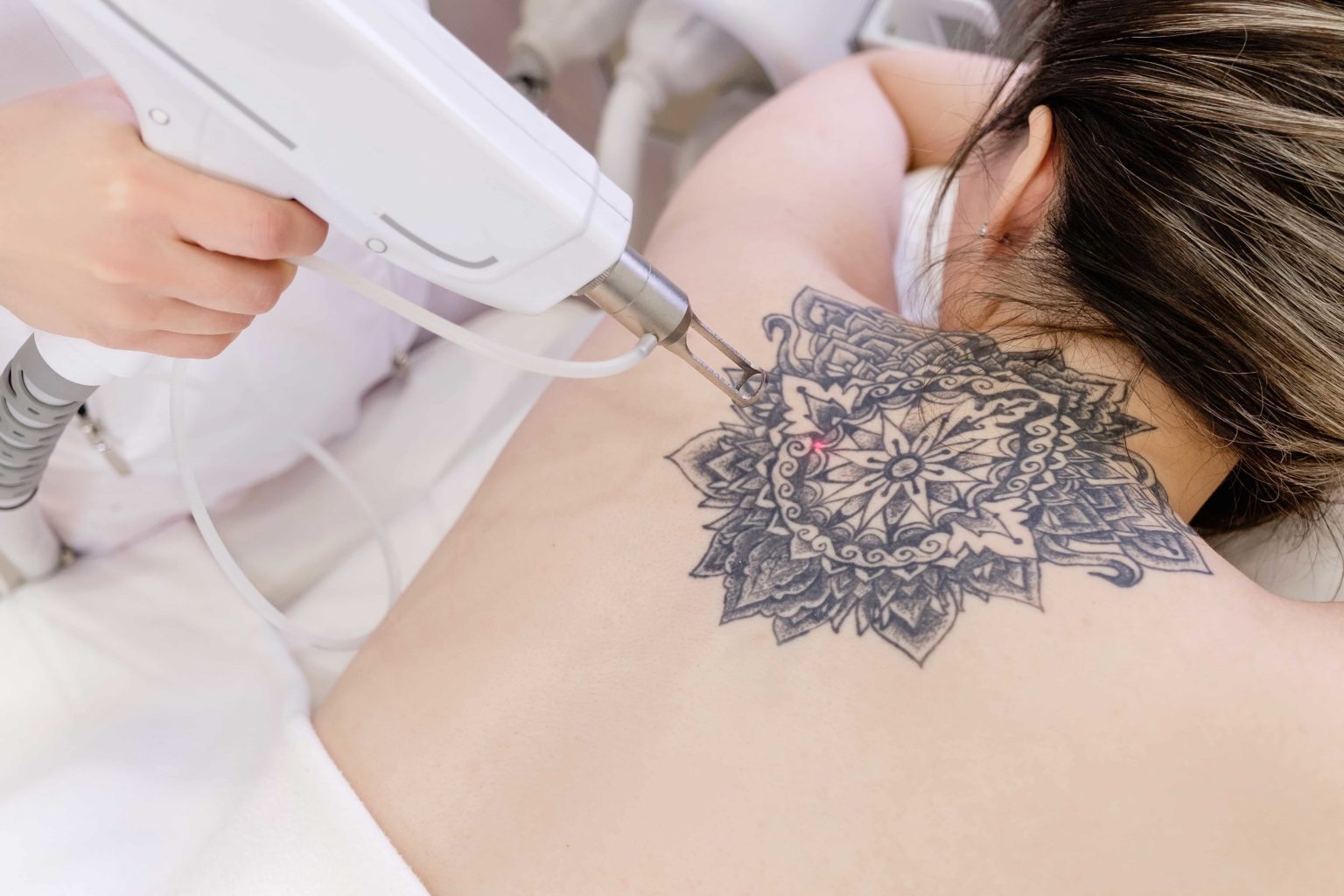
Getting a tattoo removed is just the beginning of your journey toward clear skin. What happens after your laser treatment session is equally important as the procedure itself. Proper aftercare can mean the difference between smooth healing and complications like scarring or infection. This guide will walk you through everything you need to know about caring for your skin following tattoo removal treatments.
Understanding What Happens to Your Skin During Removal
Laser tattoo removal works by breaking down ink particles beneath your skin’s surface using concentrated light energy. This process essentially creates a controlled wound that your body needs to heal. Your immune system then works to flush out these fragmented ink particles over the following weeks.
During this healing period, your skin goes through several stages of recovery. You’ll likely experience redness, swelling, and sensitivity immediately after treatment. Some people also notice blistering or crusting as the area heals. Understanding these normal responses helps you distinguish between healthy healing and potential problems.
The First 24 Hours Are Critical
The immediate aftermath of your treatment requires careful attention. Keep the treated area covered with a sterile bandage for at least the first 24 hours to protect it from bacteria and irritation. Your provider will likely apply an antibiotic ointment and dressing right after your session.
During this initial period, apply ice packs wrapped in a clean cloth for 15-20 minutes at a time to reduce swelling and discomfort. Elevate the treated area when possible to minimize inflammation. Avoid hot showers, baths, or any activities that cause excessive sweating, as heat and moisture can interfere with healing.
Keeping the Area Clean and Protected
Once you remove the initial bandage, gentle cleansing becomes essential. Wash the area 2-3 times daily with lukewarm water and fragrance-free soap. Pat it dry with a clean towel rather than rubbing, which can irritate the sensitive skin.
Apply a thin layer of antibiotic ointment or a healing balm recommended by your provider after each cleaning. Keep the area covered with a non-stick bandage, especially if it’s in a location that rubs against clothing. Change bandages regularly to maintain a clean environment for healing.
What to Avoid During Recovery
Several activities and products can compromise your healing process. Never pick at blisters, scabs, or peeling skin, as this increases your risk of scarring and infection. Resist the temptation even when itching occurs, which is a normal part of healing.
Stay out of direct sunlight and tanning beds for at least four weeks after treatment. UV exposure can cause hyperpigmentation and damage the healing skin. If you must be outside, cover the area with clothing or apply a broad-spectrum sunscreen with SPF 30 or higher once the skin has closed.
Swimming pools, hot tubs, lakes, and oceans should be avoided until the area is completely healed. These water sources contain bacteria and chemicals that can lead to infection. Similarly, skip intense workouts that cause heavy sweating for at least 48 hours post-treatment.
Recognizing Signs of Complications
While most people heal without issues, knowing when to seek help is important. Contact your healthcare provider if you notice increasing redness that spreads beyond the treated area, excessive swelling that worsens after 48 hours, or pus-like drainage with a foul odor.
Severe pain that doesn’t improve with over-the-counter pain relievers or fever could indicate infection. If you’re working with Austin tattoo removal specialists, they’ll provide emergency contact information for addressing concerns between appointments. Don’t hesitate to reach out if something doesn’t feel right.
Long-Term Skin Care Between Sessions
Tattoo removal typically requires multiple sessions spaced 6-8 weeks apart. Between treatments, continue protecting the area from sun exposure to prevent pigmentation changes. Keep your skin moisturized with gentle, fragrance-free lotions to maintain its health and elasticity.
Stay hydrated and maintain a healthy diet rich in vitamins and antioxidants to support your immune system. Your body’s ability to clear ink particles and heal properly depends partly on your overall health. Consider taking vitamin C and E supplements after consulting with your healthcare provider.
Moving Forward with Confidence
Caring for your skin after tattoo removal doesn’t have to be complicated, but it does require consistency and patience. Following these guidelines will help ensure optimal healing and the best possible results from your treatments. Remember that everyone’s skin responds differently, so maintain open communication with your treatment provider throughout the process. With proper care and attention, you’ll be well on your way to achieving the clear skin you desire.