
Reasons a Thorough Pre-LASIK Evaluation Matters for Patients in College Station
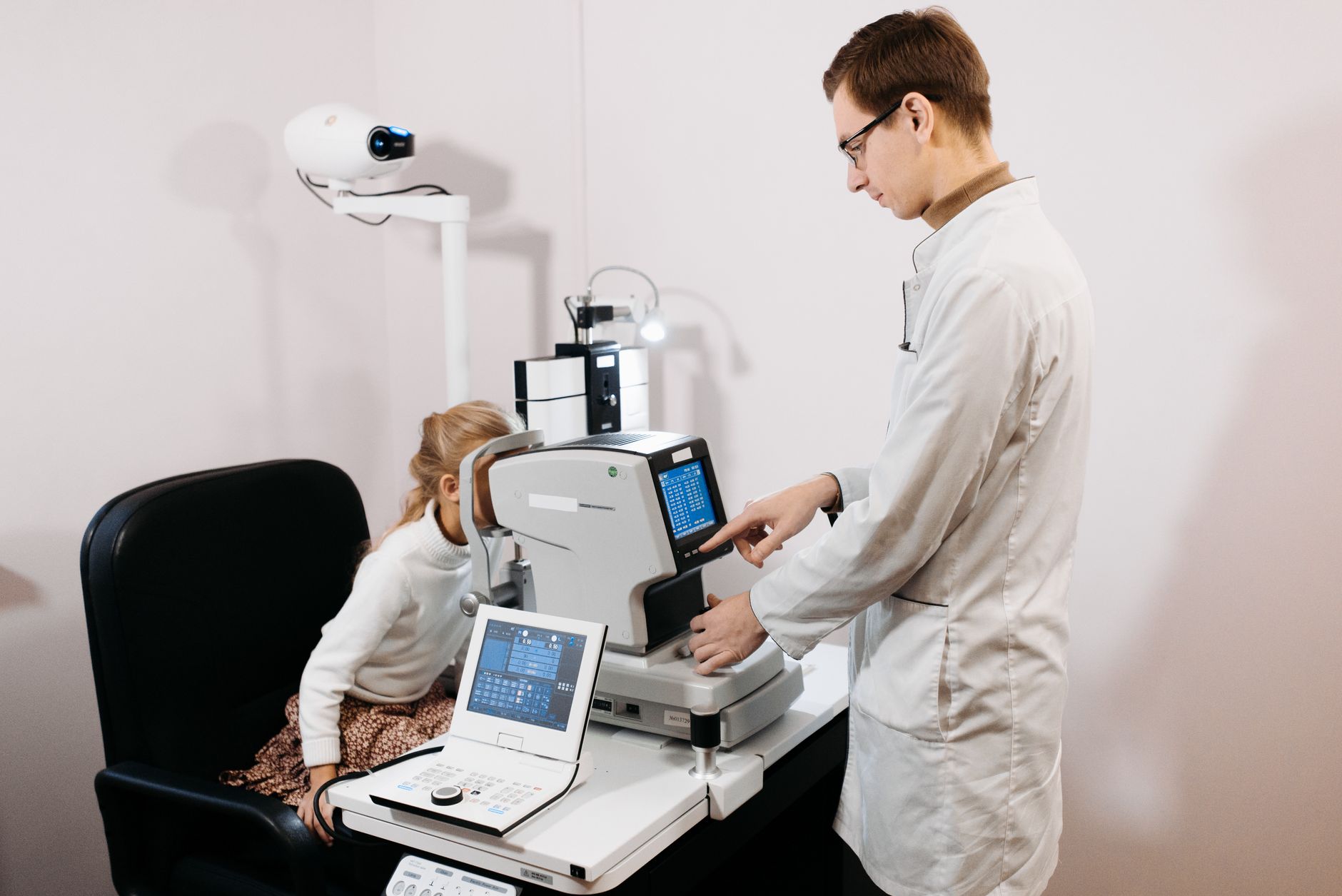
LASIK can reduce dependence on glasses or contact lenses for the right patient. The procedure still requires a detailed eye health review before surgery becomes a serious option. A careful evaluation helps confirm candidacy, identify risk factors, and support realistic expectations.
A complete review for LASIK in College Station should include corneal measurements, tear film checks, prescription history, and medical risk review. The FDA says an initial or baseline evaluation helps an eye doctor decide if a patient is a good candidate. So, this article explains why a thorough pre-LASIK evaluation matters before a patient moves forward with vision correction.
Confirms Eye Health Before Surgery
A pre-LASIK evaluation checks the cornea, tear film, eyelids, retina, and overall eye surface. These details matter because the procedure changes the cornea so light can focus clearly on the retina. Healthy eye tissue gives the medical expert better information before any surgical referral.
The exam may reveal concerns that are not clear to the patient. Dry eye, corneal scars, infection, inflammation, or eye pressure changes can affect candidacy. Early detection gives the care team time to treat problems before surgery becomes a serious option.
Checks Prescription Stability and Vision Goals
A stable prescription is a major part of LASIK candidacy. The FDA checklist asks patients in College Station to consider if their glasses or contact lens prescription changed in the past year. An unstable prescription may affect treatment accuracy and the final visual result.
Vision goals also need a direct conversation with the clinician before treatment moves forward. Some patients want sharper distance vision, while others may still need near-vision support after a certain age. The discussion can also address work tasks, night travel, screen time, sports needs, and daily visual demands that may shape the final recommendation. A careful review helps match patient expectations with what LASIK can reasonably provide.
Measures Corneal Shape and Thickness
Corneal measurements are central to a safe LASIK review. The procedure removes a small amount of corneal tissue, so thickness and structure matter. A medical expert in College Station should confirm that the cornea can support the planned correction without excess concern.
Corneal shape also deserves close attention because irregular patterns can increase risk. Certain test results may point to keratoconus or another condition that makes laser vision correction less suitable. Detailed measurements help protect the patient from a plan that does not fit the eye.
Reviews Dry Eye and Contact Lens History
Dry eye can affect comfort, vision quality, and recovery after LASIK. The FDA checklist notes that dry eyes can become worse after the procedure, and some patients may develop chronic dry eye symptoms. A pre-LASIK exam helps identify tear film problems before treatment decisions are made.
Contact lens use can also affect corneal shape before the evaluation. Some patients may need to pause contact lens use before measurements are taken. This step helps the expert collect accurate data for candidacy, referral, and treatment review.
Supports Safer Planning and Follow-Up Care
A detailed evaluation helps the care team build a safer plan for LASIK in College Station. It can cover medical history, current medicines, allergies, prior eye problems, and factors that may slow recovery. These details help the clinician decide if the procedure is suitable or if another option should be discussed.
Follow-up care also starts with accurate pre-surgery records. Baseline measurements give the team a point of comparison after the procedure. A clear baseline can help the care team separate expected recovery symptoms from concerns that need prompt review after the procedure. This makes it easier to track recovery, address symptoms, and guide the patient through post-operative visits.
A thorough pre-LASIK evaluation protects the patient before any major vision decision is made. It checks eye health, prescription stability, corneal structure, dry eye risk, contact lens history, medical factors, and follow-up needs. Patients in College Station can make better decisions when the evaluation is detailed, personal, and supported by clear clinical information.